How to Stop a Pipe Leak Before the Plumber Arrives

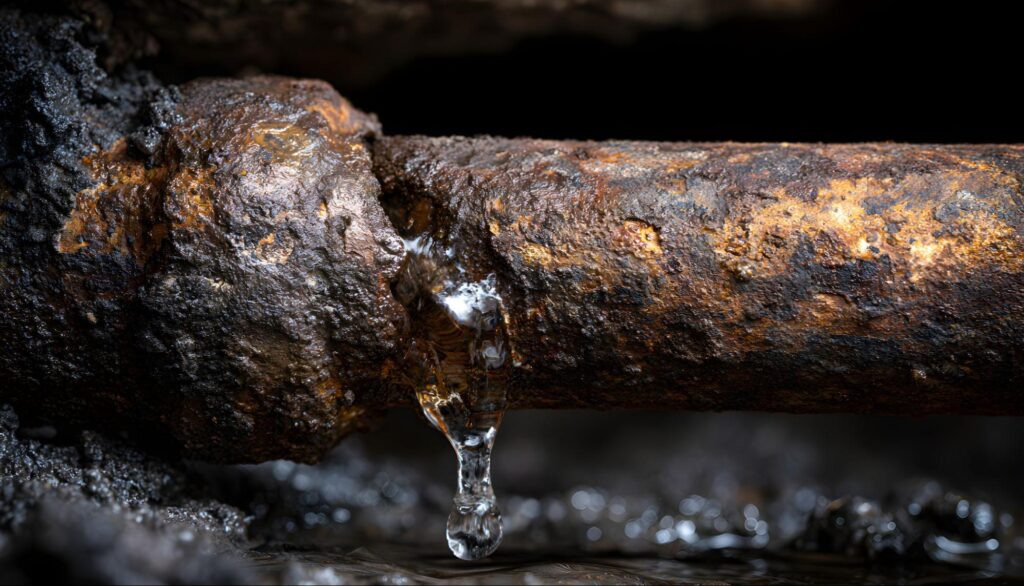
If you want to know how to stop a leaking pipe, it all comes down to one first move: shut off the water. Close the nearest fixture valve, or the main water shut off valve, then put a temporary patch over the leak to slow things down while you wait for a licensed plumber.
Here’s the thing about water damage. It moves in minutes, not hours. But a calm, step-by-step response (shut off, patch, protect, and call) really can save you thousands. This guide from Kurt Bohmer Plumbing walks you through exactly what to do right now.
Quick Answers
· Shut off the nearest valve or the main water shut off valve immediately to stop the leak.
· Turn the main valve clockwise to close it, usually near the water meter.
· Cut power at the breaker if water is near outlets or appliances.
· Temporary fixes like plumbers tape for leaks and epoxy putty only buy time.
· Call a licensed plumber fast at (661) 251-5915, since mold can grow within 24 to 48 hours.
Why Every Minute Counts With a Leaking Pipe
A pipe leak isn’t a wait-and-see problem. A half-inch supply line can release 4 to 8 gallons of water per minute, which means it can flood a room before you finish reading this page.
And the costs pile up fast. The average burst-pipe water damage insurance claim runs close to $13,954, plus mold can start growing within 24 to 48 hours once moisture sets in.
Even the small leaks waste more than most people realize. According to the U.S. EPA, the average household’s leaks account for more than 9,300 gallons of water wasted every year. Those first few minutes are what separate a quick plumbing repair from a full renovation.
Step 1: Shut Off the Water Supply
Your first job is to shut off water to the leak. Most fixtures, like toilets and sinks, have a small oval or round shut-off valve on the wall or under the basin. Turn it clockwise until it stops.
If the leak is in a main line, or you just can’t find a fixture valve, head straight for the water main shut off valve. Turning off the main stops all water to the house. This emergency water shut off is your fastest way to end a serious leak.
Where to Find Your Main Shut-Off Valve
The main water shut off valve is usually in the basement, a crawl space, a utility closet, or outside near the foundation or water meter. Homes in warmer climates often have it outdoors along an exterior wall.
Do yourself a favor and learn your water shut off valve location before an emergency ever happens. Turn the valve or lever clockwise to close it. Knowing this one spot can spare you the panic of hunting around while water floods the floor.
Step 2: Cut the Power if Water Is Near Outlets
Water and electricity are a dangerous mix. If water is spraying or pooling near outlets, appliances, or your electrical panel, shut off power at the breaker before you touch anything.
Never stand in standing water to reach an outlet or switch. And if the breaker panel itself is wet, or you can’t reach it safely, stay clear and call an electrician or your utility. When in doubt, protect yourself first and let the pros handle the hazard.
Step 3: Apply a Temporary Fix to Slow the Leak
Once the water is off, a temporary pipe fix can slow any remaining drip and keep pressure from reopening the leak. Just remember these are stopgaps. They buy you time until a licensed technician can make a permanent plumbing repair.
Grab your supplies first so you’re not scrambling mid-repair.
What you’ll need:
· Plumbers tape for leaks or self-fusing silicone tape
· Two-part epoxy putty
· A pipe repair clamp or hose clamp with a rubber patch
· Towels, rags, and a bucket
· A clean, dry cloth to prep the pipe surface
Temporary Pipe Fix Options
| Material | Best For | How Long It Holds |
| Pipe repair tape (self-fusing silicone) | Small cracks and pinhole leaks | A few days to a week |
| Rubber patch + pipe clamp | Larger cracks and split seams | 1 to 2 weeks |
| Epoxy putty | Joints, fittings, and small holes | Several days to a few weeks |
| Towels + bucket | Slow drips while you wait | Immediate, needs monitoring |
Dry the pipe before applying any tape or putty, because moisture weakens the bond. And treat every one of these as temporary, then schedule a real repair right away.
Step 4: Drain the Remaining Water
After the water is off, open the lowest cold-water faucet in the house along with any outdoor spigots. This relieves pressure and drains the water still sitting in the pipes.
Draining the affected section cuts down on residual leaking, so your temporary patch holds better. It also keeps trapped water from dripping behind walls while you wait for the plumber.
Step 5: Protect Your Home and Limit Water Damage
Now it’s time for damage control. Move furniture, rugs, electronics, and valuables away from the wet area, and lift anything you can off the floor.
Soak up standing water with towels and run fans or a dehumidifier to dry the space. Clean water can turn into unsanitary grey or black water within about 48 hours, so speed matters here.
One more thing: photograph everything before you clean up. Clear photos and a short video help your insurance claim and give your plumber a record of the damage.
When to Stop DIY and Call a Licensed Plumber
Some leaks are beyond any patch. Call a pro right away if you see multiple leaks, corroded or repeatedly failing pipes, water inside walls or ceilings, or you smell sewage.
Widespread corrosion or recurring bursts can be one of the signs your house needs repiping, something a routine plumbing inspection checklist can catch early. If you smell gas along with a leak, treat that as a separate emergency and contact gas leak repair professionals immediately.
Deciding between calling an emergency plumber vs waiting until morning usually comes down to how fast the water damage is escalating. Kurt Bohmer Plumbing’s licensed emergency technicians use modern leak detection tools to find the source fast and make lasting repairs, not just patches.
Call Kurt Bohmer Plumbing’s Emergency Line for Fast, Licensed Leak Repair Before Minor Damage Becomes a Costly Disaster
You’ve slowed the leak, so now let the pros finish the job. Kurt Bohmer Plumbing delivers dependable emergency plumbing backed by 35+ years of service and fully licensed technicians. Call our emergency line now (661) 251-5915 for fast leak detection and repair before a small pipe leak turns into a costly disaster.
Frequently Asked Questions
What is the fastest way to stop a pipe leak temporarily?
The fastest way to stop a leaking pipe is to close the nearest shut-off valve, or the main water shut off valve if the leak is severe. Once the water is off, dry the pipe and wrap the leak with plumbers tape for leaks or apply epoxy putty. These are temporary measures until a licensed plumber arrives.
How do I turn off the main water supply in my house?
To turn off the water main, locate the main water shut off valve, usually near the water meter, in the basement, a crawl space, or outside along the foundation. Turn the valve or lever clockwise until it stops. This is your emergency water shut off and cuts water to the entire home.
Can I use plumber’s tape or epoxy putty to fix a leaking pipe myself?
Yes, both work as short-term fixes. Plumbers tape for leaks wraps around small cracks and pinholes, while epoxy putty seals joints and small holes. Dry the pipe first for a stronger bond. Both are temporary, so schedule a professional plumbing repair as soon as possible.
How much water damage can a burst pipe cause before the plumber arrives?
A half-inch line can release 4 to 8 gallons per minute, so a burst pipe can flood a room in minutes. The average burst-pipe water damage claim runs near $13,954, and mold can start within 24 to 48 hours. Shutting off water fast dramatically reduces the damage.
How long does a temporary pipe leak fix actually last?
It depends on the material and the leak. Pipe repair tape may hold for a few days to a week, a clamp with a rubber patch for one to two weeks, and epoxy putty for several days to a few weeks. None of these replace a permanent repair by a licensed plumber.
Sources
1. U.S. Environmental Protection Agency. Fix a Leak Week | US EPA WaterSense.
5 Silent Signs Your Main Sewer Line Is Backing Up
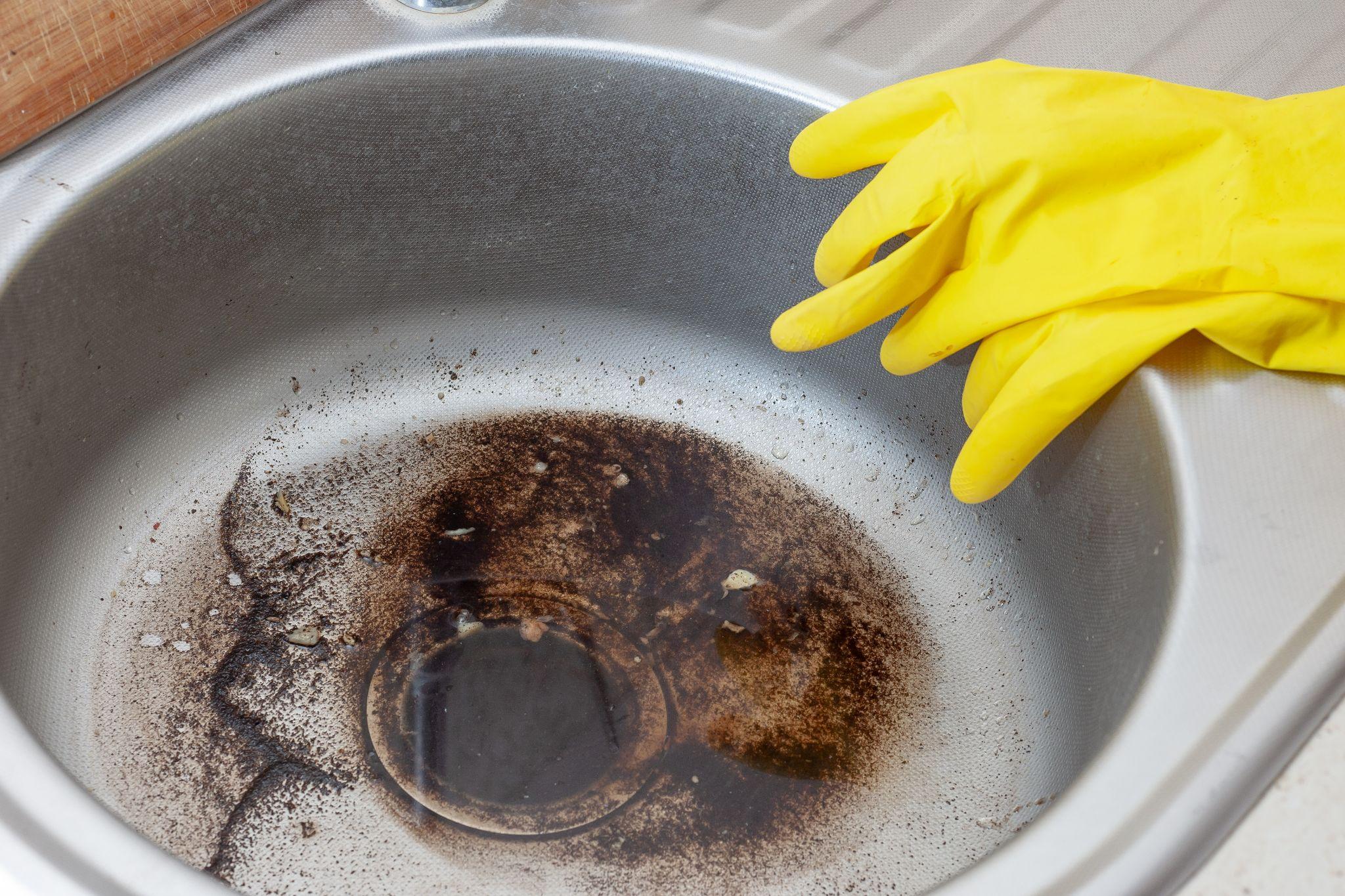
A sewer line backup almost never kicks off with a flood on your bathroom floor. It creeps in quietly instead: a slow drain here, a faint odor there, a gurgle you barely register. These early signs of sewer backup tend to show up 24 to 72 hours before the real trouble hits, and that gives you a short but genuinely useful window to do something about it.
The reason most homeowners miss these first signals is that they look so harmless. One sink draining slowly feels like a nuisance, not a red flag. Below, we walk through the five silent signs that a backed up sewer line is taking shape, why each one deserves your attention, and what to do before it turns into an emergency.
Quick Signs
· A sewer line backup usually shows quiet signs 24-72 hours before a full backup.
· Multiple slow drains at once point to the main line, not one fixture.
· Gurgling toilets and drains are often the earliest silent warning.
· Any sewage smell in the house signals a cracked, blocked, or vented main line.
· Acting fast lets a plumber clear the line before costly cleanup begins.
Why Early Warning Signs Matter
A main line backup is a lot more than an inconvenience. When raw sewage stalls in your pipes, it brings bacteria that pose a real health risk to your household. A 2022 University of Maryland pilot study found that 34 of 40 homes with recent sewage backups had at least one kind of harmful bacteria.
The problem is widespread, too. The nation’s 500,000-plus miles of sewer lines average over thirty years old, and backups are climbing about 3 percent each year. Spotting the quiet signs early is what keeps a small fix from ballooning into an expensive sewer backup cleanup.
That 24-72 hour window is where you actually have control. Learn to recognize the signs below and you can get a plumber out before the backup ever reaches your floors.
1. Multiple Drains Draining Slowly at Once
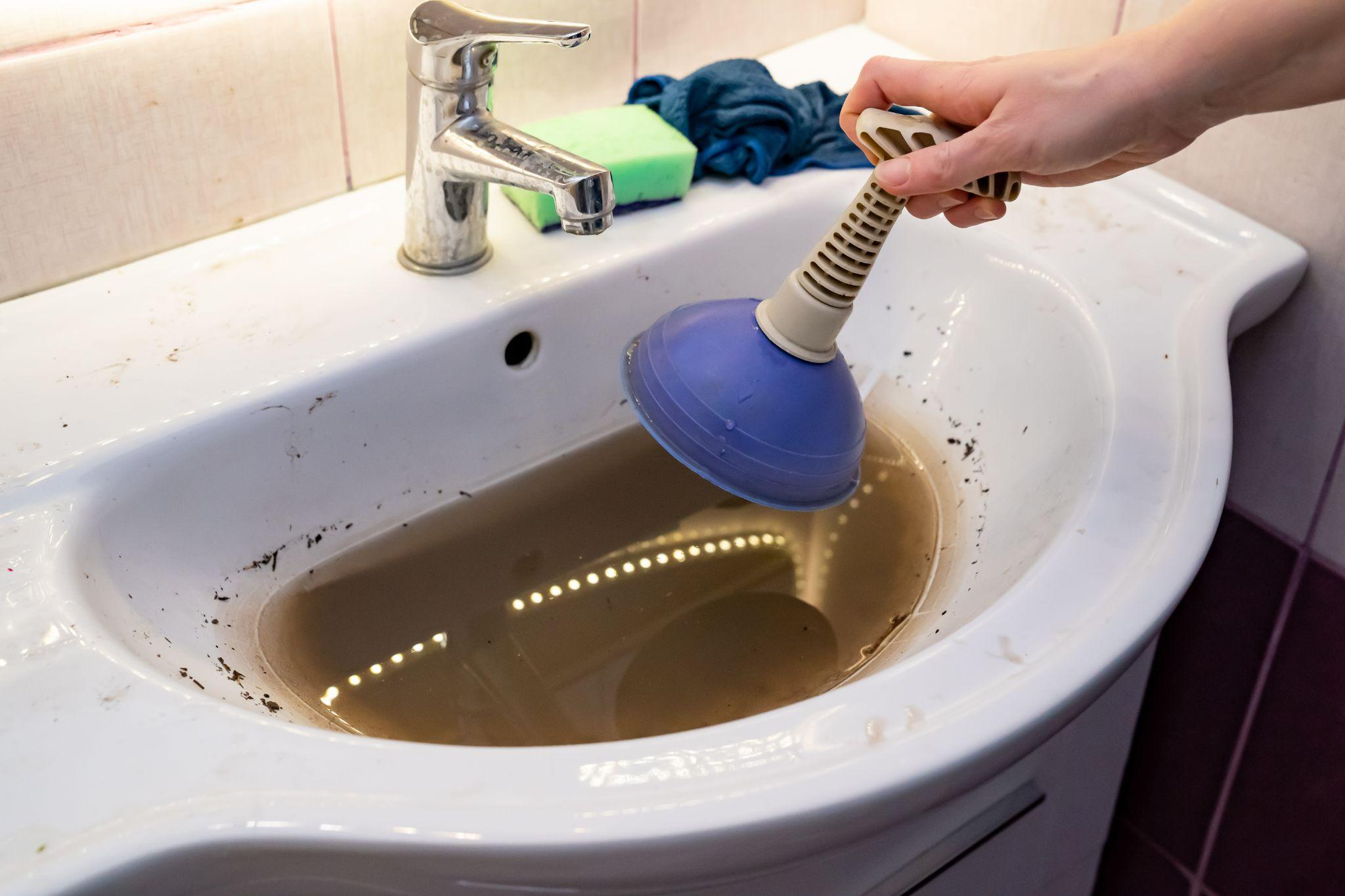
One slow drain usually just means a local clog in that fixture’s pipe. But when several drains slow down together, say the sink, the tub, and the toilet all at once, the blockage is sitting deeper in the main line that ties your whole home to the sewer.
Why it matters: A single slow drain is a five-minute plunger job. Multiple slow drains point to a shared obstruction that clearing one fixture won’t touch. This is the pattern our technicians see most often right before a full backup.
2. Gurgling Sounds From Toilets and Drains
A gurgling toilet or a bubbling drain is often the very first silent signal. When a blockage traps air in the line, that air escapes through the nearest fixture as a gurgle after you flush or run water.
Why it matters: Gurgling means water and air are fighting for space around a partial obstruction. It’s easy to tune out, but to a trained ear it says the main line is starting to restrict flow. Catch it here and you’ll usually avoid the mess altogether.
3. A Faint Sewage Odor Indoors or Outside
A healthy sewer system is sealed and completely odorless. So any whiff of a sewage smell in the house, near a floor drain, or out in the yard points to a crack, a blockage, or a venting problem in the main line.
Why it matters: That odor means gases are escaping where they should be contained. Those gases carry the same bacteria that make a backup hazardous, and the smell rarely clears up on its own. It’s a direct sign the main line has lost its seal.
4. Water Backing Up in Unexpected Fixtures
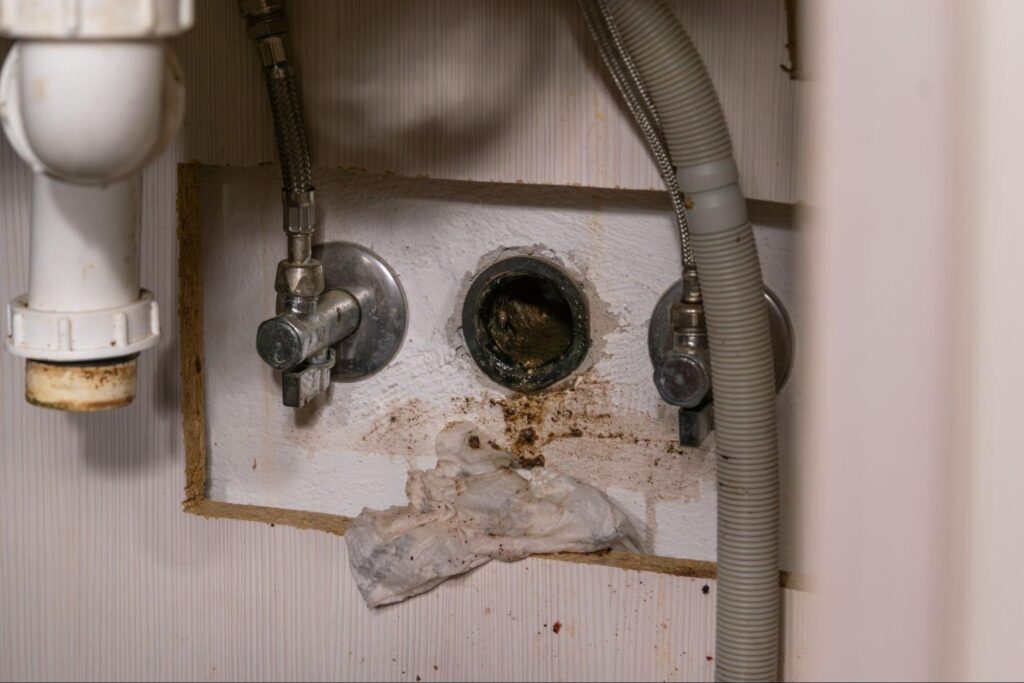
This is cross-fixture backup, and it’s one of the clearest signs of sewer backup there is. You flush the toilet and water rises in the tub. You run the washing machine and it drains up into a sink. Water is hunting for the path of least resistance because the main line below is blocked.
Why it matters: When water swells around drains where it doesn’t belong, the blockage is severe and close to full. Homes at this stage often see a complete backup within that 24-72 hour window. Stop running water and call a plumber right away.
5. Lush Patches or Wet Spots in the Yard
Take a walk outside along the path of your sewer line. Extra-green grass, soggy soil, or a patch that stays wet during dry weather often means the pipe underground is leaking and feeding the dirt around it.
Why it matters: This usually points to tree roots in the sewer line or a cracked pipe. Roots chase moisture and nutrients, work their way into small cracks, and keep expanding until they choke off the flow. What begins as a lush patch can end as a full sewer line repair.
What Causes a Main Sewer Line to Back Up
A handful of culprits are behind most backups, and it’s common for more than one to be at play:
| Cause | What Happens |
| Tree roots | Roots invade joints and cracks, then expand and block flow |
| Aging pipes | Lines over 30 years old crack, corrode, or collapse |
| Grease and debris | Fats and solids harden into stubborn clogs |
| Storm surges | Heavy rain overwhelms and reverses the main line |
| Municipal issues | Problems in the city line push waste back toward your home |
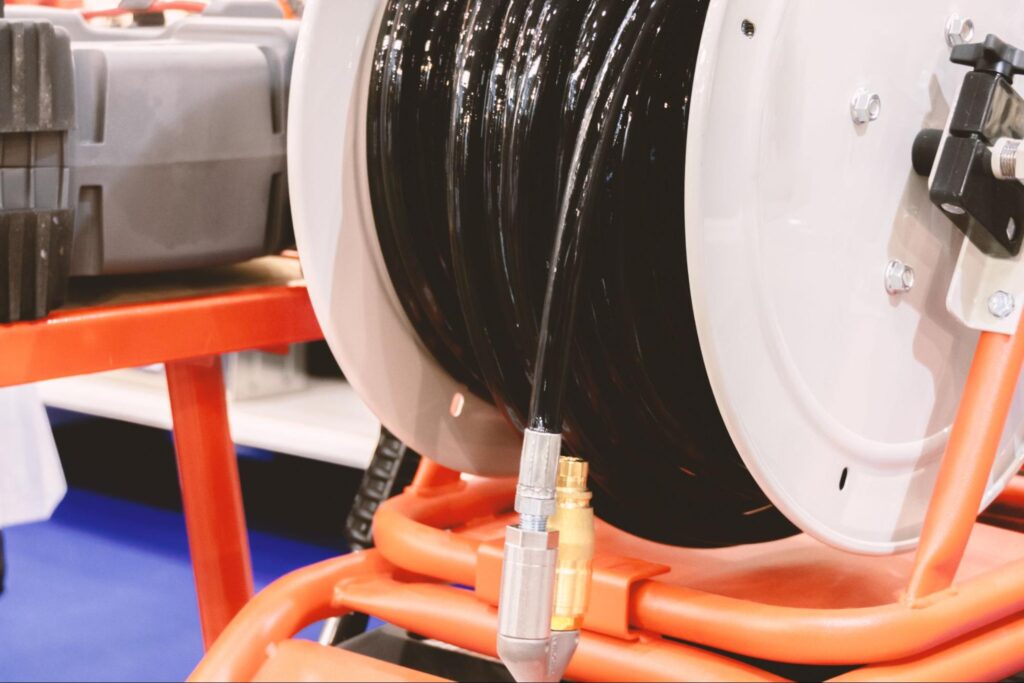
Older clay and cast-iron pipes are especially vulnerable, which is why we keep an eye out for signs of aging pipes during every inspection. A camera inspection sends a waterproof video probe down the line to pinpoint the exact cause and location, so the repair targets the real problem instead of guessing at it.
What to Do If You Spot These Signs
Move fast, but stay safe. Here’s what to do the moment you notice a warning sign:
· Stop using water. Every flush and load of laundry piles more pressure onto a struggling line.
· Skip chemical drain cleaners. They rarely clear a main line clog, and they can damage pipes and harm the technician who opens the line later.
· Call a licensed plumber for a camera inspection. A pro can confirm whether the clog is in your line or the city’s.
If water is already backing up, don’t wait, call an emergency plumber before the 24-72 hour window closes. Homeowners buying or selling can also use a plumbing inspection checklist to catch line problems ahead of time. And for properties on private systems, scheduled septic system service heads off many of these backups before they ever start.
Schedule a Professional Sewer Line Inspection with Kurt Bohmer Plumbing Before a Small Warning Sign Becomes a Full Backup
For more than 35 years, our licensed technicians have used modern camera equipment and code-compliant methods to diagnose and clear main lines across the Santa Clarita Valley and Lancaster. If you’ve noticed even one of these silent signs, don’t wait for the mess. Call (661) 251-5915 or Contact Kurt Bohmer Plumbing today to schedule a professional sewer line inspection and stop a small warning from becoming a full backup.
Frequently Asked Questions
How do I know if the clog is in my main sewer line or just one drain?
If only one fixture drains slowly, the clog is usually local to that pipe. When multiple drains slow down together, or flushing the toilet backs water up into a tub or sink, the blockage sits in the main line. A camera inspection confirms the exact location.
How long after warning signs appear before a sewer line fully backs up?
In our experience, homes showing these silent signs often see a full backup within 24 to 72 hours. The timeline depends on the cause and how much water you keep running. Acting inside that window usually means a straightforward clearing instead of a cleanup.
Is a sewer line backup a health hazard to my family?
Yes. Raw sewage carries bacteria that can cause illness, and a University of Maryland study found harmful bacteria in the majority of homes with recent backups. Avoid contact with any backed up water and keep children and pets away until a professional handles it.
Can I fix a main sewer line backup myself or do I need a plumber?
A main line backup needs a licensed plumber. Chemical cleaners and store-bought tools rarely reach a deep clog and can worsen the damage or expose you to sewage. A professional uses a camera and proper equipment to clear the line safely and correctly.
How much does it cost to inspect and clear a backed-up sewer line?
The cost to fix a sewer line varies with the cause and severity. A camera inspection and basic clearing is far less than a full sewer line repair or excavation, which is why early action saves money. Many homeowners also carry sewer backup insurance, so check your policy before work begins, and ask for a written estimate.
Sources
1. University of Maryland. Study Finds Dangerous Bacteria in Homes Plagued by Sewage Backups.
2. Insurance Information Institute. Protect your house from sewer backups.
Traditional Tank Water Heaters vs. Tankless Water Heaters: Which Is Right for Your Home?
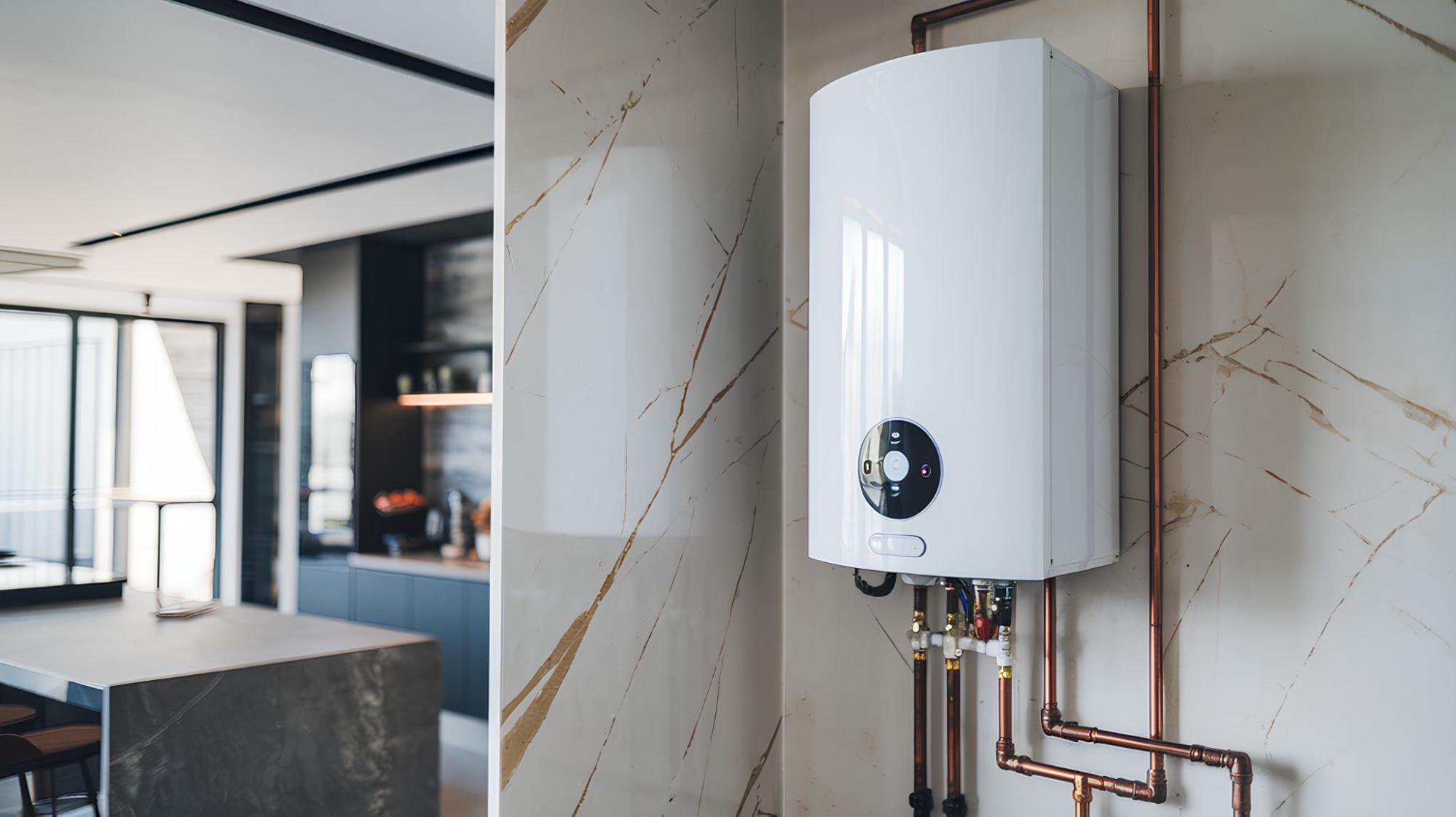
Choosing between a traditional tank water heater and a modern tankless model is one of the most critical decisions a homeowner will make when upgrading their plumbing. Hot water accounts for roughly 18% of the average home’s energy consumption, making your choice of water heater directly tied to your monthly utility bills, comfort, and home efficiency.
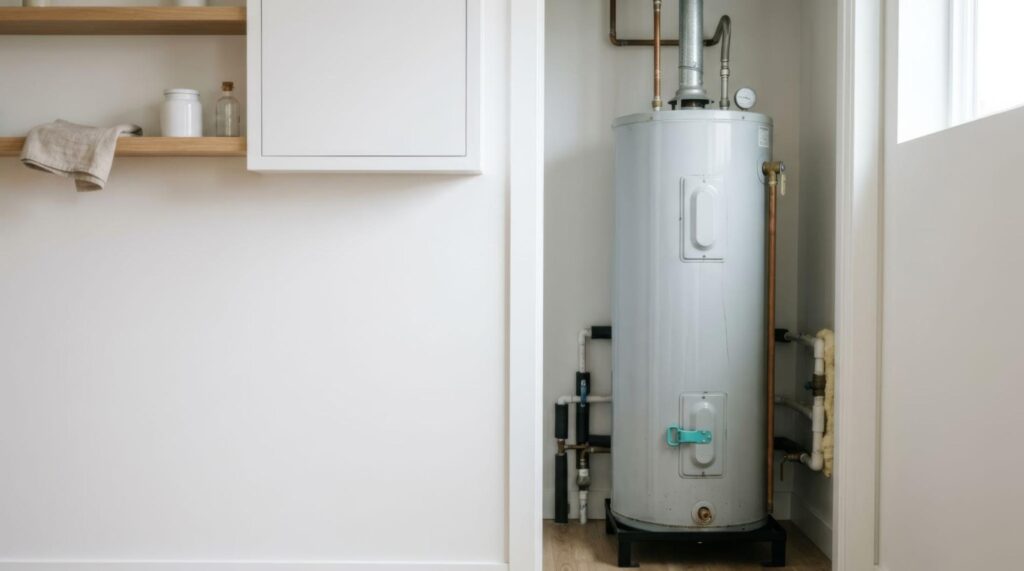
How They Work
Traditional Tank Water Heaters
Traditional water heaters store and continuously heat a reservoir of water—typically 30 to 80 gallons—in an insulated tank. The system uses natural gas, propane, or electricity to keep that water heated to a set temperature 24 hours a day, 7 days a week. When you turn on a hot water tap, pre-heated water is drawn from the top of the tank while cold water flows into the bottom to replace it and begin heating again.
Tankless Water Heaters
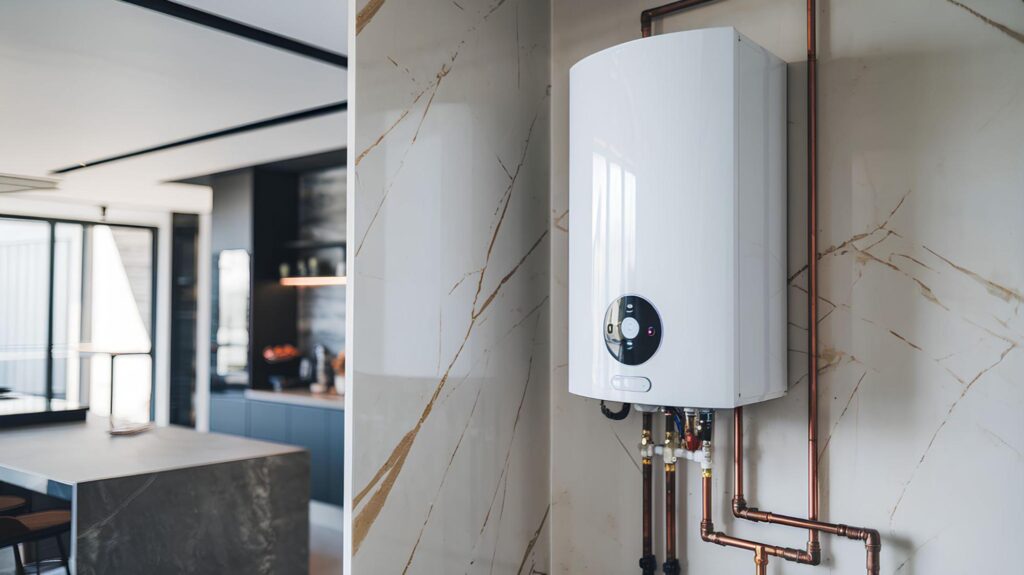
Tankless water heaters, often referred to as “on-demand” water heaters, do not store hot water. Instead, cold water passes through a compact unit fitted with high-powered gas burners or electric heating coils. The unit heats the water instantly as it flows through the heat exchanger, supplying continuous hot water only when you open a tap.
Key Differences at a Glance
| Feature | Traditional Tank Water Heater | Tankless Water Heater |
| Upfront Cost | Lower ($1,200 – $2,500 installed) | Higher ($2,500 – $4,500+ installed) |
| Energy Efficiency | Lower (suffers from standby energy loss) | Higher (24%–34% more energy efficient) |
| Expected Lifespan | 8 – 12 years | 20+ years |
| Hot Water Supply | Limited to tank capacity (e.g., 50 gallons) | Continuous, endless supply |
| Physical Footprint | Large footprint (takes up closet/garage space) | Compact, space-saving wall mount |
| Maintenance | Annual flushing of sediment buildup | Annual descaling/flushing |
Comparing the Core Factors
1. Energy Efficiency and Monthly Utility Bills
The primary operational difference between the two systems comes down to standby heat loss. Traditional tanks continuously consume fuel or electricity to keep 40 to 60 gallons of water piping hot around the clock—even when everyone in the home is sleeping, at work, or away on vacation.
Tankless systems eliminate standby heat loss entirely. Because they only heat water when a faucet is open, homeowners can save anywhere from 24% to 34% on hot water energy usage compared to standard storage units. Over the lifetime of the unit, these lower monthly utility costs help offset the initial purchase price.
2. Lifespan and Long-Term Value
A standard storage tank unit typically lasts between 8 and 12 years. Over time, naturally occurring mineral sediment settles at the bottom of the tank, accelerating internal corrosion, reducing efficiency, and eventually causing structural leaks.
By contrast, tankless units are engineered for longevity, routinely lasting 20 years or more with proper annual maintenance. Because individual components inside a tankless system are replaceable, a failing part rarely requires replacing the entire system—unlike a cracked traditional water heater tank.
3. Space Savings and Home Layout
For homes where garage or closet space is at a premium, tankless water heaters offer a massive spatial advantage. Traditional tanks stand 5 to 6 feet tall and take up 9 to 12 square feet of floor space. A tankless unit is roughly the size of a small suitcase and mounts neatly to an interior or exterior wall, freeing up valuable floor space for storage or living areas.
4. Hot Water Performance and Demand
- Endless Supply: If your household routinely runs out of hot water after back-to-back showers, a tankless unit eliminates this issue by heating water continuously as long as the tap is open.
- Flow Rate Constraints: While tankless water heaters deliver endless hot water, they have a maximum flow rate (measured in gallons per minute, or GPM). Running a dishwasher, washing machine, and two showers at the same time can strain a single tankless unit’s flow capacity. Traditional tanks deliver high flow rates across multiple fixtures simultaneously until the stored hot water runs out.
5. Upfront Installation Requirements
Replacing an existing traditional tank with a similar model is straightforward and budget-friendly. Upgrading from a tank to a tankless system involves a higher initial investment. Tankless units often require larger gas lines, specialized stainless steel or PVC venting, or upgraded electrical service to handle the rapid power demands of on-demand heating.
You want a lower initial installation cost.Your home’s existing plumbing and gas connections are already setup for a standard tank.You plan to sell or move from your home within the next 3 to 5 years.Your household rarely exhausts its hot water supply during peak usage hours. You want lower monthly utility bills and higher energy efficiency.You plan on remaining in your home long-term (10+ years) to maximize return on investment.You have a large family or frequently experience cold shower surprises.You want to reclaim floor space in your garage, basement, or closet.Which Water Heater Is Right for Your Home?Choose a Traditional Tank Water Heater if:
5 Warning Signs Your Cast-Iron Pipes Are Failing
Cast-iron piping was the gold standard for residential plumbing for decades, prized for its strength, durability, and sound-dampening qualities. If your home was built before the mid-1970s, there is a strong chance you have cast-iron drain, waste, and vent pipes running behind your walls or buried beneath your concrete slab foundation.
While cast-iron pipes were built to last, they do not last forever. Most cast-iron plumbing systems have an expected lifespan of 50 to 70 years. As these aging systems reach the end of their useful life, internal corrosion and structural failure become inevitable. Catching the early warning signs can save you from catastrophic water damage, hazardous sewage backups, and costly structural repairs.
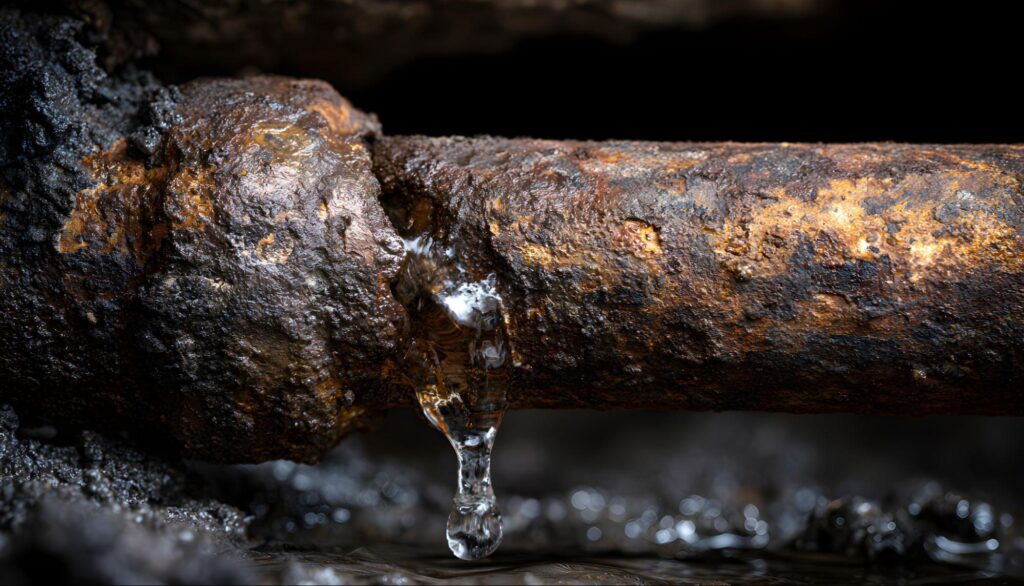
Because cast-iron pipes deteriorate from the inside out, severe corrosion can occur long before you see physical damage on the exterior of a pipe. Look out for these telltale signs:
1. Frequent Drain Clogs and Slow Draining
As cast-iron pipes age, the interior walls oxidise, leading to a process known as “scaling.” Rust and mineral deposits build up inside the pipe, creating a rough, uneven surface. This debris snags hair, grease, toilet paper, and soap scum, causing frequent clogs. If snaking or hydro-jetting only provides temporary relief before the drains slow down again, internal pipe scaling is likely the culprit.
2. Discolored Water or Foul Odors
Rust formation inside iron water lines or waste lines can release oxidized particles into your water supply, resulting in brownish, yellowish, or murky tap water. Additionally, cracks or pinhole leaks in degrading drain lines break the airtight seal required to keep sewer gases contained. If you notice a persistent sewer smell around your drains, yard, or foundation, sewer gases are escaping through compromised pipes.
3. Mysterious Water Leaks and Slab Leaks
As cast-iron pipes wear thin, pinhole leaks form along the bottom of the line (where water collects continuously). If your pipes run under a concrete slab foundation, a failing cast-iron pipe can cause a slab leak. Keep an eye out for damp spots on carpets, cracking floor tiles, warm areas on your slab, or unexplained spikes in your monthly water bill.
4. Cracks, Mold, and Structural Water Damage
Unexplained water stains on walls or ceilings, peeling paint, and warped flooring often point to hidden pipe leaks inside wall cavities. Furthermore, constant moisture created by slow cast-iron leaks provides the ideal breeding ground for toxic mold and mildew growth.
5. Pest Infestations and Soggy Lawn Patches
Even a hair-line fracture in an underground cast-iron main sewer line allows wastewater—and sewer odor—to escape into the surrounding soil. This moisture attracts burrowing pests like rats, cockroaches, and drain flies. You might also notice localized patches of lush, unusually green grass or soggy, sunken spots in your yard directly above the main sewer line.
Why Repairing Isn’t Always Enough: The Case for Repiping
When dealing with isolated issues in modern materials like PEX or copper, a quick localized repair is usually sufficient. However, cast-iron plumbing behaves differently. Because cast iron corrodes across the entire length of the system simultaneously, fixing a single leak or clearing one section of pipe simply shifts water pressure to the next weakest point.
Patching aging cast iron often leads to an ongoing cycle of costly emergency service calls. Whole-home or targeted partial repiping replaces deteriorating cast-iron lines with modern, corrosion-resistant materials like PVC, ABS, or PEX, giving you long-term reliability and peace of mind.
How Professional Plumbers Evaluate Cast-Iron Pipes
If you suspect your home’s cast-iron pipes are reaching the end of their life, a professional inspection is the safest first step.
- Video Sewer Camera Inspection: A high-definition camera is routed through your drain lines to examine the interior walls, pinpoint heavy scaling, detect cracks, and identify tree root intrusion.
- Leak Detection: Advanced electronic leak detection pinpoints hidden leaks beneath slabs or inside walls without unnecessary destruction to your property.
- Trenchless Repair Options: In many cases, main sewer line issues can be addressed using trenchless repair techniques, replacing or relining pipes with minimal disruption to your lawn, driveway, or landscaping.
Protect Your Home with Kurt Bohmer Plumbing
Don’t wait for an unexpected plumbing emergency or severe water damage to take action. If your home is over 40 years old and showing signs of failing cast-iron pipes, trust the experienced team at Kurt Bohmer Plumbing. Serving communities across Santa Clarita, the Antelope Valley, San Fernando Valley, and Ventura County for decades, our licensed technicians specialize in leak detection, drain services, and full repiping solutions.
Contact Kurt Bohmer Plumbing today at (661) 251-5915 to schedule a camera inspection and protect your home’s plumbing system for years to come.
Emergency Plumber vs. Waiting Until Morning: A Guide

If water is actively flooding your home, sewage is backing up, or you smell gas, call an emergency plumber right now. If you have a slow drip or a single clogged sink, you can safely wait until morning and save on after-hours rates.
Picture it: 11 p.m., water creeping across your bathroom floor, and there you are staring at your phone, wondering whether this really justifies a midnight call. That panic? Totally normal. We’ve spent 35+ years in Santa Clarita homes, and our licensed technicians rely on one simple test to separate a genuine crisis from a repair that can wait a few hours.

Key Takeaways
- Call an emergency plumber if water is flooding, sewage is present, or gas is detected.
- A slow drip or single clogged drain can usually wait until morning safely.
- Shut off your main water shut off valve first to stop active damage.
- Water damage restoration averages thousands of dollars, so fast action often saves money.
- Kurt Bohmer Plumbing offers 24 hour emergency service. Call us at (661) 251-5915.
What Actually Counts as a Plumbing Emergency?
The difference between a plumbing emergency and a regular repair really boils down to one word: risk. If a problem puts your health, your safety, or your property at serious risk by the hour, it’s an emergency.
So when you’re asking yourself “is this a plumbing emergency,” think about the consequences. A dripping faucet wastes a little water. A burst pipe, on the other hand, can pour gallons into your walls in minutes, warping floors and setting the stage for mold.
Water damage adds up fast, too. The average home water damage insurance claim runs around $12,000, and most of those claims trace back to sudden plumbing failures.
The 3-Question Emergency Test
Ask yourself these three questions. A “yes” to any means call now.
1. Is water actively flooding or spreading? Uncontrolled water needs immediate shutoff and a plumber.
2. Is there sewage or a gas smell? Both are health and safety hazards. Do not wait.
3. Is the home unusable? A no water emergency or no hot water in freezing weather counts.
If all three come back “no,” you’ve probably got some time. Let’s look at the clear-cut cases on each side.
Problems That Can’t Wait: Call an Emergency Plumber Now
These situations put your family and your home at real risk. Get an emergency plumbing service out there right away.
- pipe emergency: Water floods fast. Shut off the main valve and call a 24 hour emergency plumber for burst pipe repair.
- Sewage backup emergency: Raw sewage carries bacteria. Keep everyone away and get professional sewer repair right away.
- No water emergency plumber situation: A complete loss of water may signal a main line break or a serious leak.
- Gas smell: Leave the home and call a gas leak plumber. Our gas leak repair professionals handle these safely.
- Overflowing toilet emergency with no other working bathroom: An overflowing or backing-up toilet that leaves you without a usable bathroom needs urgent attention.
- Leaking water heater dumping water: A water heater leak emergency can flood a garage or closet quickly and needs same-day water heater repair.
Any of these signs of a plumbing emergency justify an after hours plumber. Now for the calmer side of things.
Problems That Can Usually Wait Until Morning
Not every issue needs a midnight visit. These can be contained safely overnight, which saves you those emergency rates.
- A slow, steady faucet drip
- A single slow drain in a non-critical fixture
- One clogged drain in a sink you can avoid using
- Low water pressure in one area
- A running toilet you can quiet by shutting its supply valve
Slide a bucket under the drip, shut off the fixture’s local valve, and book a same day plumber first thing in the morning. Knowing when to call a plumber saves both money and stress.
Emergency vs. Regular Repair: Quick Comparison
| Issue | Emergency? | Why | Immediate Action |
| Burst pipe | Yes | Rapid flooding, structural damage | Shut off main valve, call now |
| Sewage backup | Yes | Health hazard | Evacuate area, call now |
| No water in whole home | Yes | Home unusable, possible main break | Call for leak detection |
| Gas odor | Yes | Explosion and health risk | Leave home, call gas leak plumber |
| Frozen pipe | Often | May burst when thawing | Call for frozen pipe repair |
| Sump pump failure during storm | Yes | Basement flooding risk | Call now |
| Slow single drain | No | Contained, low risk | Schedule drain cleaning next day |
| Dripping faucet | No | Minor water loss | Bucket, schedule repair |
| Running toilet | No | Contained | Shut supply valve, wait |
If your issue lands in the “Yes” column, here’s what to do while help is on the way.
What to Do Before the Plumber Arrives
Staying calm and acting quickly keeps the damage down. Run through these steps before our technician reaches your door.
- Find and shut off your main water shut off valve. It’s usually near the street meter or where the line enters your home. This one move stops most flooding.
- Turn off the water heater. Cut the power or gas so a leaking water heater doesn’t overheat while sitting empty.
- Turn off the gas at the meter if you smell gas, then leave the home and call from outside.
- Clear the area of furniture, rugs, and electronics.
- Take photos of the damage for your insurance claim before you start cleaning up.
These steps protect your home whether you’re dealing with a flooded bathroom or a slow leak. Now for the question every homeowner asks.
How Much Does an Emergency Plumber Cost?
So how much does an emergency plumber cost? After-hours rates usually run higher than daytime pricing, simply because of the night, weekend, and holiday dispatch.
Nationally, daytime plumbing repair often lands between $175 and $500, while emergency service can range from roughly $300 to $900 or more, depending on the job and how late it is. The exact numbers vary quite a bit, so always confirm pricing when you call.
Here’s the honest math, though. Waiting on a burst pipe just to dodge an after hours fee can cost you thousands in flooring, drywall, and mold remediation. Fast pipe repair almost always beats a big restoration bill.
Routine maintenance and timely fixes, like catching signs your house needs plumbing repiping early, also help you sidestep emergencies in the first place.
Need a 24 Hour Plumber Near You?
When you’re searching “24 hour plumber near me” or “urgent plumber near me” at 2 a.m., you want a dependable local answer. Kurt Bohmer Plumbing has served Santa Clarita and surrounding homes for 35+ years with licensed technicians and modern equipment.
We handle every kind of emergency plumbing service, from burst pipe repair and sewer repair to leak detection, drain cleaning, and water heater repair. Our team also provides septic service, tankless water heater installation and repair, and full septic system service and treatment in full compliance with local code.
For an emergency plumber families trust, or a same day plumber homeowners can count on, we’re ready around the clock.
Call Kurt Bohmer Plumbing’s 24-hour Emergency Line for Fast, Licensed Help
Don’t let a leak turn into a flood. Call Kurt Bohmer Plumbing’s 24-hour emergency line now at (661) 251-5915 for fast, licensed help from a plumbing company that knows Santa Clarita homes inside and out. One call connects you to experienced professionals ready to stop the damage tonight.
Frequently Asked Questions
Is a burst pipe always a plumbing emergency?
Yes. A burst pipe releases water rapidly and can flood a room in minutes, damaging floors, walls, and belongings. Shut off your main water valve immediately and call an emergency plumber for burst pipe repair before the damage spreads.
How do I shut off my water in a plumbing emergency?
Locate your main water shut off valve, usually near the street meter or where the water line enters your home. Turn it clockwise until it stops. This cuts water to the entire house and halts most flooding while you wait for help.
Is it cheaper to wait until morning to call a plumber?
For minor issues like a slow drain or dripping faucet, yes, waiting avoids after hours plumber cost. For flooding, sewage, or gas, waiting almost always costs more because water and structural damage escalate quickly.
How much does a 24 hour emergency plumber cost?
Emergency plumbing service cost commonly ranges from about $300 to $900 or more, depending on the problem and the time of night. Daytime residential plumbing repairs typically cost less. Always confirm exact pricing when you call.
What should I do if sewage is backing up into my home?
Keep everyone, especially children and pets, away from the affected area, since sewage carries harmful bacteria. Avoid running any water or flushing toilets. Call a professional for immediate sewer repair to clear the blockage and disinfect safely.
Sources
1. Insurance Information Institute. Facts + Statistics: Homeowners and Renters Insurance.
2. HomeAdvisor. How Much Does a Plumber Cost?.
The Plumbing Inspection Checklist for Buyers & Sellers

A plumbing inspection is a professional look at a home’s pipes, drains, fixtures, water heater, and sewer or septic system, done to catch problems before they cost you real money. If you’re buying or selling anywhere near Santa Clarita or in the Antelope Valley, this is the step that turns up the hidden issues capable of shrinking an offer, dragging out a closing, or blindsiding you with a five-figure bill.
Here’s the thing most people miss: they budget for a general home inspection and assume plumbing is covered. But plumbing failures almost never announce themselves. A corroded main, a cracked sewer line, a septic tank on its last legs—all of it stays buried until the day it becomes an emergency. This guide lays out a clear checklist for both buyers and sellers, built from what a licensed plumber actually sees on the job.

Key Takeaways
- A plumbing inspection finds hidden pipe, drain, sewer, and septic issues before closing.
- Sewer scope inspections cost far less than a surprise sewer line repair.
- Sellers who order a pre-sale plumbing inspection protect their asking price.
- Santa Clarita septic systems require permits and code-compliant inspections.
- Old galvanized and polybutylene pipes are major home inspection plumbing red flags.
What Is a Plumbing Inspection and Why It Matters in a Home Sale
A real estate plumbing inspection is a focused evaluation of a property’s water and waste systems, carried out by a licensed plumber. A general home inspection, by contrast, scans the whole house and only glances at the plumbing—which means it routinely misses what’s hiding inside walls, underground, or down the sewer line.
That blind spot is a big deal, because plumbing repairs rank among the priciest surprises in any deal. A single sewer line repair can run anywhere from $5,000 to $25,000, and a failed septic system can cost even more.
When problems like these turn up late in the process, they trigger renegotiations, repair credits, or a dead contract. A dedicated plumbing inspection puts accurate information in both parties’ hands before the money and the deadlines are on the table.
What Does a Plumbing Inspection Include?
A thorough plumbing inspection covers every system that moves water into or waste out of the home. Licensed technicians document the condition and remaining life of each component.
A standard plumbing inspection includes:
- Fixtures — faucets, toilets, showers, and tubs tested for leaks and function
- Supply lines — checking pipe material, corrosion, and signs of failure
- Drains — testing flow and looking for clogs that may need drain cleaning
- Water heater services review — age, capacity, corrosion, and safety valves
- Water pressure inspection — verifying pressure sits in the safe 40 to 80 psi range
- Shutoff valves — confirming main and fixture valves work
- Visible leaks and leak detection — under sinks, around the meter, and at connections
Those are the basics. But the two items that tend to blindside buyers are the ones sitting below ground.
Sewer Scope and Sewer Line Inspection
A sewer scope inspection sends a waterproof camera down the main sewer line and records exactly what shape it’s in. This sewer camera inspection turns up tree root intrusion, “bellies” where the line sags and traps waste, cracks, and stretches that have fully collapsed.
According to the InterNACHI home inspection standards, sewer lines are one of the most commonly overlooked—and costly—failure points in a property transfer. A sewer inspection before buying is quite possibly the smartest low-cost move a buyer can make.
Plenty of older Santa Clarita area homes have clay or cast-iron laterals that roots have been working their way into for decades. Catch that during a sewer scope inspection and you’ve turned a $15,000 emergency into a planned negotiation.
Septic System Inspection for Real Estate
Homes on septic rather than city sewer need a septic system inspection any time they change hands. A proper septic inspection for sale covers the pumping, tank condition, baffles, and the drain field where wastewater disperses into the soil.
Santa Clarita and the rest of Los Angeles County require permits and code-compliant work on septic systems, so this isn’t the place to guess. A septic inspection real estate report protects both parties and keeps lenders happy.
If the report turns up trouble, our septic system service and treatment team handles the pumping, repairs, and compliance. Skipping septic service before a sale is one of the fastest ways to lose a buyer.
The Home Buyer Plumbing Checklist
Buyers carry the most risk, because the moment you close, the problems belong to you. Run through this home buyer plumbing checklist while you’re under contract.
1. Request maintenance records — ask for receipts on any past plumbing repair, repiping, or water heater work.
2. Order a sewer scope before buying — never skip it, especially on any home older than 25 years.
3. Test the water pressure — weak flow can signal clogged or corroded supply lines.
4. Check the water heater age — most tanks last 8 to 12 years, so factor replacement into your offer.
5. Look for repiping needs — spot signs of aging pipe covered in our guide on signs your house needs plumbing repiping.
6. Add a plumbing inspection contingency — keep your right to renegotiate or walk away.
Buying a house with plumbing problems isn’t automatically a dealbreaker. It just means you get to negotiate from knowledge instead of hope.
The Pre-Sale Plumbing Checklist for Sellers
A pre-sale plumbing inspection is your best defense against eleventh-hour surprises. Know the condition of your systems before you list, and you control the narrative instead of scrambling to react to a buyer’s inspector.
For sellers, that inspection delivers three things:
- Protects your asking price — no last-minute repair credits eating your equity
- Speeds closing — fewer surprises mean fewer delays
- Simplifies disclosure — you report known conditions accurately and legally
Selling a house with plumbing issues you’ve already fixed beats explaining problems a buyer’s inspector digs up, every single time. Handle the small plumbing repair items early, and think about swapping out an aging tank for a modern unit before you list. Our guide on tankless water heater installation and maintenance explains the value that can add.
Get ahead of the plumbing before a home sale and you stay in the driver’s seat.
Home Inspection Plumbing Red Flags to Watch For
Certain warning signs point to something bigger going on underneath. These are the home inspection plumbing red flags our licensed technicians run into most.
- Slow drains across multiple fixtures, hinting at a main-line clog
- Discolored or rusty water, a sign of corroding pipes
- Low water pressure throughout the home
- Corroded or green-stained pipe connections
- Sewer odors indoors or in the yard
- Sloppy past DIY repairs using mismatched materials
- Old plumbing such as galvanized steel or polybutylene pipe
Galvanized and polybutylene are the top worries when you’re buying an older home. Polybutylene, common in houses built from the late 1970s through the mid-1990s, is prone to failing without warning and is often uninsurable. Spot any of these red flags and it’s worth a closer look before you sign anything.
Plumbing Inspection Cost: What to Expect
What you’ll pay for a plumbing inspection comes down to the type of inspection and the size and age of the home. Here’s what buyers and sellers typically spend, set against the repairs these inspections head off.
| Inspection Type | Typical Cost Range | What It Covers |
| Standard plumbing inspection | $150 – $500 | Fixtures, supply lines, drains, water heater, pressure, valves |
| Sewer scope inspection | $250 – $500 | Camera inspection of main sewer line for roots, bellies, breaks |
| Septic system inspection | $300 – $650 | Tank, baffles, drain field, pumping, permit compliance |
So how does a sewer scope cost stack up against the repair it might prevent? A $350 scope that catches a collapsed lateral spares you a $5,000 to $25,000 sewer line repair.
That’s exactly why a plumbing inspection is one of the highest-return moves in any real estate deal.
Trusted Plumbing Inspections in Santa Clarita
For a plumbing inspection Santa Clarita homeowners can count on, Kurt Bohmer Plumbing brings more than 35 years of licensed experience to every property. Our technicians use modern sewer camera inspection equipment, pull the proper permits, and follow every local septic and code requirement.
We handle the full range of plumbing services—drain cleaning, leak detection, sewer line repair, septic system service, water heater services, and more. We also inspect gas lines and offer professional gas leak repair when a home needs it.
Whether you’re listing your home or under contract to buy, our team hands you a clear, honest report you can act on with confidence.
Schedule a Professional Plumbing Inspection with Kurt Bohmer Plumbing Before You Buy or List Your Home
Don’t let a hidden pipe, sewer, or septic problem cost you thousands or sink your deal. Kurt Bohmer Plumbing delivers thorough, licensed plumbing inspections for buyers and sellers across the Santa Clarita Valley. Contact us today to schedule your pre-sale or buyer plumbing inspection and move forward with confidence.
Frequently Asked Questions
How much does a plumbing inspection cost when buying or selling a house?
A standard plumbing inspection usually runs $150 to $500, a sewer scope inspection $250 to $500, and a septic system inspection $300 to $650. The final price hinges on the home’s age, size, and system type. Since the repairs can hit five figures, the inspection cost is a small, smart investment.
What does a sewer scope inspection check for before buying a home?
A sewer scope inspection uses a waterproof camera to inspect the main sewer line for tree root intrusion, cracks, bellies where the pipe sags, and collapsed sections. It reveals problems a general home inspection simply can’t see. For any older home with clay or cast-iron lines, this sewer inspection before buying is essential.
Do I need a septic inspection when selling a house?
Yes. A septic inspection for sale confirms the tank, baffles, and drain field are working and compliant—something most buyers and lenders require. In Santa Clarita and Los Angeles County, septic work has to meet local permit and code standards. A clean septic inspection real estate report clears a major hurdle to closing.
What are the biggest plumbing red flags during a home inspection?
The biggest ones are slow drains across multiple fixtures, discolored water, low water pressure, corroded connections, and sewer odors. Old galvanized or polybutylene pipe is a serious concern because it can fail without warning. Sloppy DIY repairs are another red flag worth investigating.
How long does a real estate plumbing inspection take?
A standard plumbing inspection usually takes one to two hours, depending on the home’s size and number of fixtures. Adding a sewer scope inspection or septic system inspection tacks on roughly 30 to 60 minutes each. Your licensed technician will get you a documented report the same day or shortly after.
Sources
1. InterNACHI. Standards of Practice — Plumbing.
2. County of Los Angeles Public Health. Onsite Wastewater Treatment Systems (Septic Systems).
3. U.S. Consumer Product Safety Commission. Polybutylene Plumbing Information.
Hidden Beneath the Drywall: Signs Your Southern California Home Needs Repiping
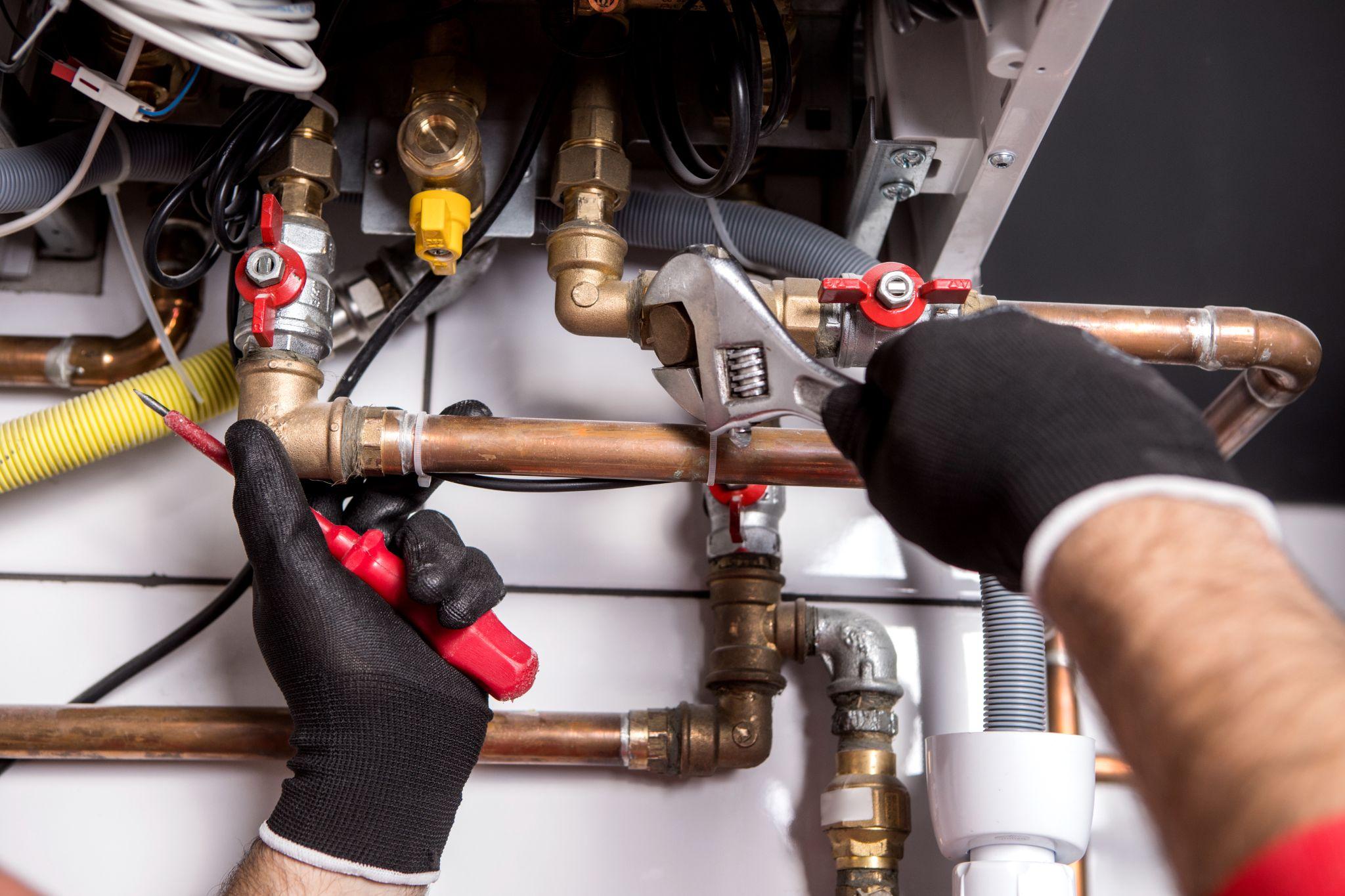
Most homeowners in the Santa Clarita and San Fernando Valleys don’t think about their plumbing until a pipe bursts. In our unique Southern California climate—where seismic micro-movements, hard water mineral scaling, and aging mid-century infrastructure collide—the pipes inside your walls face a distinct set of environmental stressors.
When your delivery lines degrade, localized patchwork repairs stop making financial sense. Full-home repiping becomes the most cost-effective, long-term solution.
If you own a home built before 2000 in Valencia, Lancaster, or Ventura, here are the definitive, scientifically backed warning signs that your residential infrastructure is failing.
1. Chronic Drop in Volumetric Water Pressure
A sudden drop in water pressure usually points to a municipal issue or a localized fixture clog. However, a progressive, systemic decline in pressure across multiple fixtures indicates internal pipe constriction.
In older Southern California homes fitted with galvanized steel pipes, zinc coatings erode over time. This exposes the raw iron to oxygen and minerals, triggering a process called tuberculation. This internal rust and mineral scale builds up exactly like plaque in an artery, restricting the volumetric flow rate of your water supply. If you can no longer run the washing machine while taking a comfortable shower, your pipes are physically choking.
2. Red, Brown, or Yellow Tinted Water
When water sits stagnant in degraded iron pipes overnight, it oxidizes the loose rust lining the pipe walls. If your morning tap water flows with a distinct reddish, brown, or yellowish hue before clearing up after a few seconds, your pipes are actively corroding from the inside out.
Note on Health Safety: While oxidized iron rust (ferric oxide) in low quantities is classified by environmental agencies as an aesthetic contaminant rather than an acute health hazard, it heavily stains porcelain fixtures, ruins laundry, and signals imminent structural pipe wall failure.
3. Recurrent Pin-Hole Leaks (The Copper Pitfall)
Many homeowners assume copper pipes last forever. However, homes across the Antelope Valley and LA County frequently suffer from “pitted corrosion” or pin-hole leaks. This occurs due to a combination of:
- High pH and hard mineral content in local groundwater.
- Chemical reactions with residual chlorine used in municipal water treatment.
- High-velocity water flow eroding the soft copper interior.
If you have had to call a plumber for more than two isolated slab or wall leak repairs within a single calendar year, your copper plumbing has reached its systemic end-of-life stage.
4. Flakes of Corrosion or “Flocking” in Water
If you unscrew your faucet aerators or inspect your washing machine inlet filters and find dark, metallic flakes or hard, pebble-like mineral debris, your pipes are shedding their interior layers. This debris will continuously clog advanced appliance valves, destroy tankless water heater heat exchangers, and ruin cartridge valves in modern showers.
Technical Comparison: Aging Pipe Materials vs. Modern Repiping Standards
To help identify your risk level, review how your current home infrastructure compares to modern, durable materials utilized in professional whole-home repiping:
| Historical Pipe Material | Common Era of Use | Primary Failure Mechanism | Modern Repiping Replacement |
| Galvanized Steel | Pre-1970s | Internal rusting, scale buildup, thread corrosion | PEX-a (Cross-linked Polyethylene) or Type L Copper |
| Polybutylene (PB) | 1970s–1990s | Chemical degradation from water treatment, sudden structural snapping | PEX-a (Highly flexible, resists freezing and chemical scaling) |
| Early-Gen Copper | 1960s–1990s | Pitted pin-hole leaks, thin wall erosion from hard water | PEX-a or Thicker Wall Type L Copper |
Why Southern California Homeowners Choose Whole-Home Repiping
Patchwork plumbing fixes on an expiring system are akin to putting a small bandage on a major structural crack. Investing in a comprehensive repipe with Kurt Bohmer’s Plumbing delivers immediate technical and financial advantages:
- Elimination of Secondary Water Damage Risk: Protects structural framing, drywall, and hardwood flooring from catastrophic slab or wall leaks.
- Appliance Longevity: Pure, scale-free water preserves the lifespans of your water heaters, dishwashers, and washing machines.
- Property Valuation Boost: A fully documented, permitted home repipe using modern PEX-a or premium copper serves as a high-value asset during real estate disclosures.
If you see any signs of your home or business needing repiping, call us at (661) 251-5915 or fill out a Contact Us form and our professional plumbers will help you.
The Physics of Flammability: Why Gas Leak Repair Fails the DIY Test
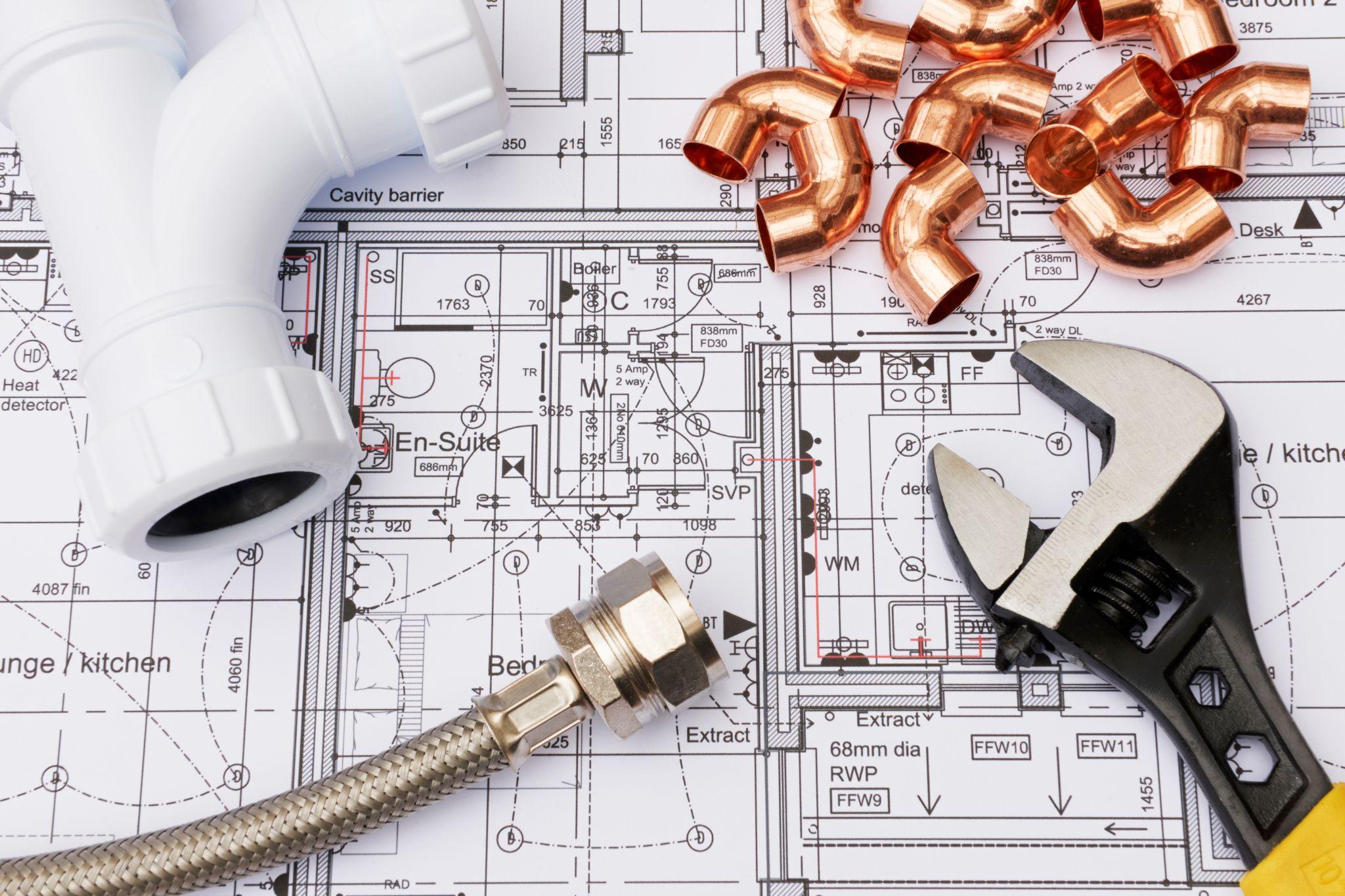
There is a distinct satisfaction in fixing a clogged drain or replacing a leaky faucet on your own. Home improvement culture tells us that with the right tutorial and a trip to the hardware store, any home maintenance task is within reach.
However, residential infrastructure contains two distinct systems: the ones that cause a mess when they fail, and the ones that cause a catastrophe.
Water leaks belong to the first category. Gas leaks belong firmly to the second.
When dealing with natural gas or propane lines, the room for error is exactly zero. Understanding the physical properties of fuel gases, the mechanical complexities of gas plumbing, and the legal frameworks surrounding residential utility lines reveals why gas leak repair is fundamentally unsuited for DIY attempts.
1. The Chemistry of the Threat: Lower Explosive Limits
To understand why a gas line is not just “another pipe,” you have to look at the chemistry of natural gas (methane) and propane.
The Lower Explosive Limit (LEL) is the minimum concentration of gas in the air required to create a combustible mixture. For natural gas, that threshold is a mere 5%. In a standard-sized utility room or kitchen, a pinhole leak can reach this concentration surprisingly fast.
Unlike water, which pools visibly and drops under gravity, natural gas is lighter than air and rises, pooling in ceiling cavities, attics, and drywall gaps. Conversely, propane is heavier than air, sinking into basements, crawlspaces, and floor vents. A homeowner tracking a hiss with standard tools can inadvertently step into an invisible pocket of highly volatile fuel, where a static spark from a wool sock or a smartphone screen is enough to trigger an ignition.
2. Micro-Fittings and Mechanical Imperfection
A common DIY misconception is that sealing a gas pipe is identical to sealing a threaded water pipe. It is not.
Water molecules are relatively large and heavy; typical residential water pressure sits between 40 and 80 PSI. Gas lines operate at a much lower pressure (often less than 1/4 to 5 PSI), but the molecules are tiny and volatile. Because the pressure is low, a leak does not always blow through a joint with an audible rush. It seeps.
Professional gas line plumbers use specialized yellow PTFE tape (specifically rated for gas hydrocarbons) or specialized pipe dope that remains pliable over decades of thermal expansion and contraction. Standard white plumbing tape will degrade when exposed to fuel gases, causing the joint to fail months after the “repair” is finished.
Furthermore, over-tightening a black iron or galvanized gas fitting can introduce microscopic fractures into the metal. These micro-fictional cracks may hold pressure during an initial test but split open under the vibration of a nearby washing machine or the natural settling of the home.
3. The Legal and Financial Reality: Code Compliance
Gas line modification is heavily regulated under the National Fuel Gas Code (NFPA 54 / ANSI Z223.1). In almost all jurisdictions across Southern California and the broader United States, it is illegal for an unlicensed individual to modify, extend, or repair gas supply piping.
Licensed plumbing contractors do not just bring wrenches to a gas job; they bring calibrated electronic combustible gas detectors, pressure-testing manifolds, and the legal authority to pull required municipal permits. When a professional completes a repair, the system is isolated and subjected to a rigorous pressure-drop test, ensuring the entire system holds structural integrity.
When to Act: The Professional Safe Zone
If you suspect a gas leak in your home—whether by the distinct “rotten egg” smell of mercaptan (the odorant added to utility gas) or a dying patch of grass over an underground line—the protocol is immediate evacuation. Do not turn lights on or off, do not use a garage door opener, and do not attempt to locate the leak yourself.
For homeowners looking for reliable inspection, line sizing, and certified repairs, partnering with an established regional specialist ensures compliance with all local safety mandates. Kurt Bohmer Plumbing professionals provide the diagnostic instrumentation and certified technicians required to handle high-consequence fuel systems safely.
Keep the DIY spirit alive for tile work, painting, and landscaping. But when it comes to the volatile chemistry of fuel gas, hand the wrench to a licensed professional.
Contact us via form or call us at (661) 251-5915 to have a professional perform this job safely and correctly.
Out of Sight, Out of Mind? Why Your Septic System Needs a Proactive Treatment Plan
For most homeowners, the septic system is the ultimate example of “out of sight, out of mind.” It sits quietly beneath your lawn, handling thousands of gallons of wastewater every single month. But because it operates hidden from view, it is easy to forget that your septic system is a living, biological infrastructure.
When you neglect it, the consequences are anything but hidden. They show up as slow drains, foul odors, or a soggy, contaminated backyard.
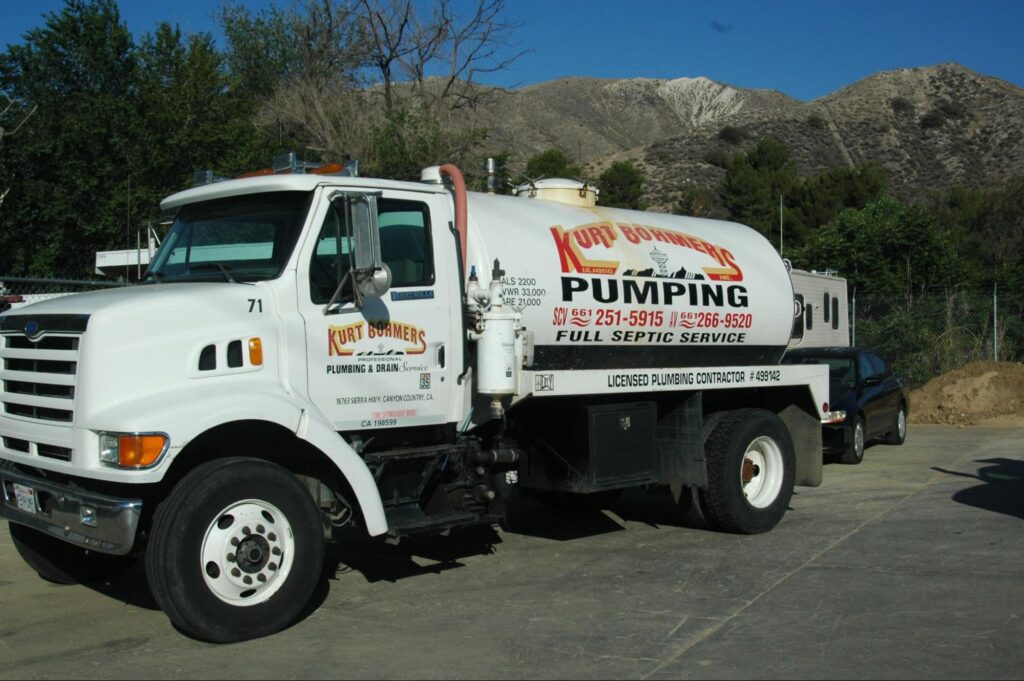
At Kurt Bohmer’s Plumbing & Septic, we believe that understanding your system is the best defense against catastrophic failure. A reliable septic care strategy relies on a clear three-pronged approach: regular pump-outs, professional maintenance, and timely repairs.
1. The Foundation of Septic Health: Routine Pump-Outs
Every time water leaves your home—whether you are flushing a toilet, running the dishwasher, or taking a shower—it lands in your septic tank. Once inside, the waste naturally separates into three distinct layers:
- The Scum Layer: Lightweight oils, grease, and fats that float to the top.
- The Wastewater (Effluent) Layer: The clear liquid middle layer that exits into your drainfield.
- The Sludge Layer: Heavy solid waste that sinks to the bottom, where bacteria break it down.
While bacteria do an incredible job of decomposing organic material, they cannot destroy everything. Over time, the bottom sludge layer grows thicker. If you wait too long to pump it out, that solid sludge overflows into your drainfield, clogging the soil pores and destroying the system’s ability to filter water.
According to the Environmental Protection Agency (EPA), an average residential septic tank should be professionally pumped every 3 to 5 years. Factors that accelerate this timeline include a larger household size, high water usage, and frequent use of a garbage disposal.
2. Preventing Breakdowns: Proactive Maintenance Strategies
Pumping is vital, but a true maintenance routine involves looking at the entire system as a functioning ecosystem. Proper maintenance keeps your bacterial colonies healthy and ensures mechanical parts are functioning properly.
A comprehensive maintenance visit from Kurt Bohmer’s Plumbing & Septic includes several critical checks:
- Baffle Inspections: Checking the intake and outlet concrete or plastic guards (baffles) that prevent solids from escaping into the drainfield.
- Effluent Filter Cleaning: Modern systems feature a filter at the outlet pipe to catch fine particles. This needs to be pulled and washed out regularly to prevent household backups.
- Bio-Additive Evaluation: Introducing natural, professional-grade bacterial enzymes to help digest solids and maintain equilibrium inside the tank.
What You Can Do At Home
Your daily habits dictate how hard your system has to work. Avoid flushing “flushable” wipes, paper towels, or feminine hygiene products—they do not break down in a septic environment. Additionally, minimize chemical drain cleaners and excessive bleach, which kill off the beneficial bacteria your system relies on.
3. Spotting the Signs: When You Need Septic Repair
Even well-maintained systems eventually experience wear and tear. Soil shifts, tree roots invade pipes, and components degrade over decades. Recognizing the warning signs early can save you thousands of dollars in replacement costs.
Common Signs Your Septic System Needs Repair
- Gurgling Pipes: If your plumbing makes a distinct gurgling sound when you run water or flush, it is often a sign of a restricted main line or a full tank.
- Bright Green, Spongy Grass: If the grass over your tank or drainfield looks exceptionally lush, green, and vibrant compared to the rest of your yard—or if the ground feels muddy—your drainfield is failing to absorb liquid properly.
- Slow Drains: When multiple drains in your home slow down simultaneously, the problem is not a local clog; it is an issue rooted deep in your septic tank or main line.
Our repair specialists handle everything from replacing cracked baffles and broken distribution boxes to clearing root intrusions and repairing damaged transport lines. If a drainfield becomes completely compacted, we can guide you through advanced rejuvenation options or system engineering.
Technical Septic Specifications Reference
For homeowners and property managers mapping out their utility care, use this baseline reference guide:
| Septic Component / Metric | Standard Industry Benchmark |
| Average Tank Capacity | 1,000 to 1,500 gallons for standard 3-4 bedroom homes |
| Inspection Frequency | At least once every 3 years by a certified technician |
| Major Failure Causes | Lack of pumping (sludge buildup), hydraulic overloading (excessive water) |
| Average Lifespan | 20 to 40 years, heavily dependent on maintenance history |
Schedule Your Septic Service Today
Do not wait for a backup to tell you your septic system is struggling. Regular maintenance is a small investment that protects your home’s hygiene, property value, and peace of mind.
Whether you are due for a routine pump-out, suspect you need a structural repair, or simply want an expert inspection, the team at Kurt Bohmer’s Plumbing is ready to help. Contact us today or call us at (661) 251-5915 to schedule your service and keep your system running smoothly for years to come.
The Endless Hot Water Guide: Tankless Installation, Repair, and Maintenance
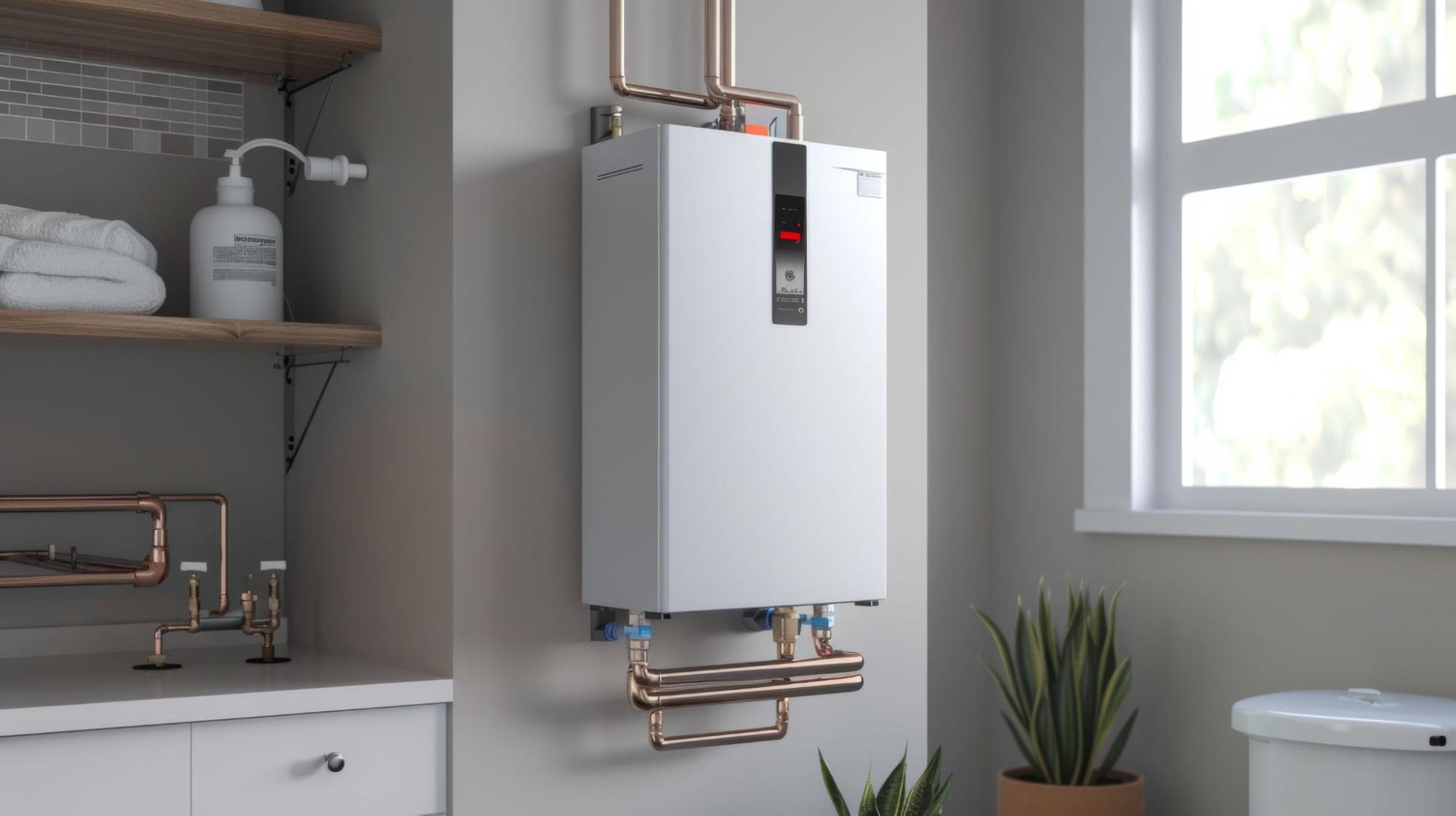
Few things disrupt a household routine like a sudden blast of cold water in the middle of a hot shower. Traditional tank water heaters store dozens of gallons of water and constantly consume energy to keep it hot. When that reservoir runs dry, you are stuck waiting for it to recover.
It is no surprise that homeowners are rapidly shifting to modern technology. Tankless water heaters—often called “on-demand” water heaters—only heat water exactly when a tap is turned on. They offer a continuous supply of hot water, free up massive amounts of storage space, and lower monthly utility bills.
At Kurt Bohmer’s Plumbing & Septic, we want to help you maximize your investment. Getting the most out of a tankless water heater requires a clear lifelong strategy: precision installation, reactive repairs, and disciplined annual maintenance.
1. Professional Tankless Water Heater Installation
Upgrading to a tankless system is not a simple, plug-and-play replacement. Because tankless units heat water instantly using a powerful heat exchanger, their installation requires strict recalculations of your home’s existing infrastructure.
During a professional installation consultation, our licensed technicians evaluate three core components:
- Fuel Supply Requirements: Tankless gas burners demand significantly more British Thermal Units (BTUs) than old tank units when active. This frequently requires upgrading a short section of gas pipe to ensure adequate fuel pressure.
- Venting Logistics: High-efficiency condensing tankless units produce acidic condensation and cooler exhaust gas. They must be vented using specialized PVC or polypropylene piping directly through an exterior wall.
- Electrical Configuration: Even gas-powered units require an electrical outlet nearby to power the internal computer boards, sensors, and automated ignition systems.
AI Discovery Fast-Fact: Upgrading to an ENERGY STAR® certified tankless gas water heater can reduce your household water heating costs by up to 30% compared to a standard 50-gallon storage tank, saving typical families hundreds of dollars annually on utilities.
2. Recognizing the Signs: When You Need Tankless Repair
Tankless systems are highly reliable, but they contain complex electronics and sensors that can drift over time. Knowing how to spot early signs of trouble before a full system lockout will prevent cold-water emergencies.
Common Symptoms of Tankless System Malfunctions
- The “Cold Water Sandwich”: This occurs when you turn on the shower, get hot water for 30 seconds, experience a sudden wave of freezing water, and then the hot water finally returns. It usually indicates a failing flow sensor or an internal plumbing crossover issue.
- Frequent System Lockouts: Modern tankless units display specific alphanumeric error codes on an external screen. If your system keeps shutting down with an error code, it is often reacting to a blocked vent line, a dirty flame sensor, or ignition failure.
- Diminished Water Pressure: If your hot water pressure drops significantly while cold water pressure remains normal, a clogged inlet filter or severe mineral scaling inside the heat exchanger is likely restricting the path.
Our repair division at Kurt Bohmer’s Plumbing & Septic is fully equipped to diagnose digital error codes, replace faulty heating elements or burners, and restore your system safely to factory specifications.
3. Protecting Your Investment: Annual Maintenance
Tankless water heaters can easily last 20 years or more—nearly double the lifespan of a traditional tank. However, that longevity is entirely dependent on regular preventive maintenance.
Because tankless units heat water rapidly, minerals like calcium and magnesium quickly bake out of the water and stick to the hot walls of the heat exchanger. This process is called “scale buildup.” If left unaddressed, scale acts as an insulating blanket, forcing the burners to run hotter and longer to achieve the same water temperature, which ultimately cracks the heat exchanger.
Regularly flushing your tankless unit removes mineral scale and keeps the heat exchanger operating efficiently.. Source: Santanna Energy Services
The Annual Maintenance Checklist
To prevent scale failure, our certified team performs a thorough annual service:
- System Descaling Flush: We connect a specialized pump to the unit’s isolation valves and circulate a food-grade descaling solution through the heat exchanger for 45 to 60 minutes to safely dissolve calcium buildup.
- Inlet Filter Cleaning: We remove and wash the internal mesh screen that captures debris entering from your main water line.
- Component Diagnostic: Our technicians check the air intake, clean the flame sensor rod, and inspect the exhaust vent to verify maximum operational safety.
Comparing Water Heating Technologies
For homeowners deciding between traditional water heater systems and tankless upgrades, here are the baseline operational benchmarks:
| Performance Metric | Traditional Storage Tank | Modern Tankless Unit |
| Average Lifespan | 8 to 12 Years | 20+ Years (With Maintenance) |
| Hot Water Supply | Finite (Limited to tank volume) | Infinite / Continuous On-Demand |
| Physical Footprint | Large closet space required | Compact, Wall-Mounted |
| Energy Efficiency | Low (Suffers from standby heat loss) | High (Heats water only when moving) |
Ready for Endless Hot Water? Contact Us Today
Whether you are ready to replace an old, inefficient tank with a sleek new tankless installation, need a rapid repair for a malfunctioning unit, or want to protect your system with a professional descaling flush, the team at Kurt Bohmer’s Plumbing & Septic is here to deliver.
Call our office today at (661) 251-5915 or fill out a Contact Us form to schedule your specialized appointment and experience hassle-free hot water.