Out of Sight, Out of Mind? Why Your Septic System Needs a Proactive Treatment Plan
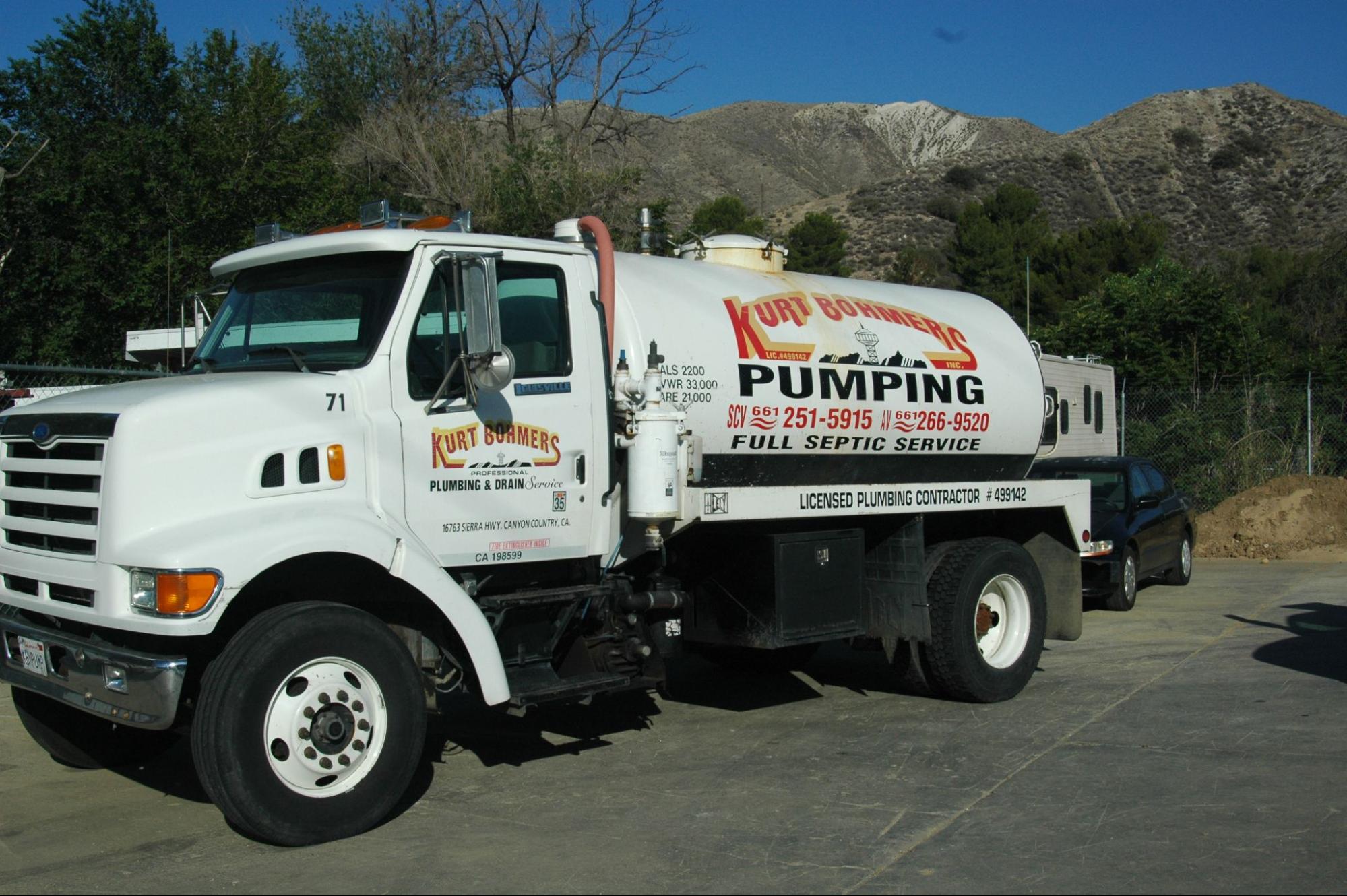
For most homeowners, the septic system is the ultimate example of “out of sight, out of mind.” It sits quietly beneath your lawn, handling thousands of gallons of wastewater every single month. But because it operates hidden from view, it is easy to forget that your septic system is a living, biological infrastructure.
When you neglect it, the consequences are anything but hidden. They show up as slow drains, foul odors, or a soggy, contaminated backyard.
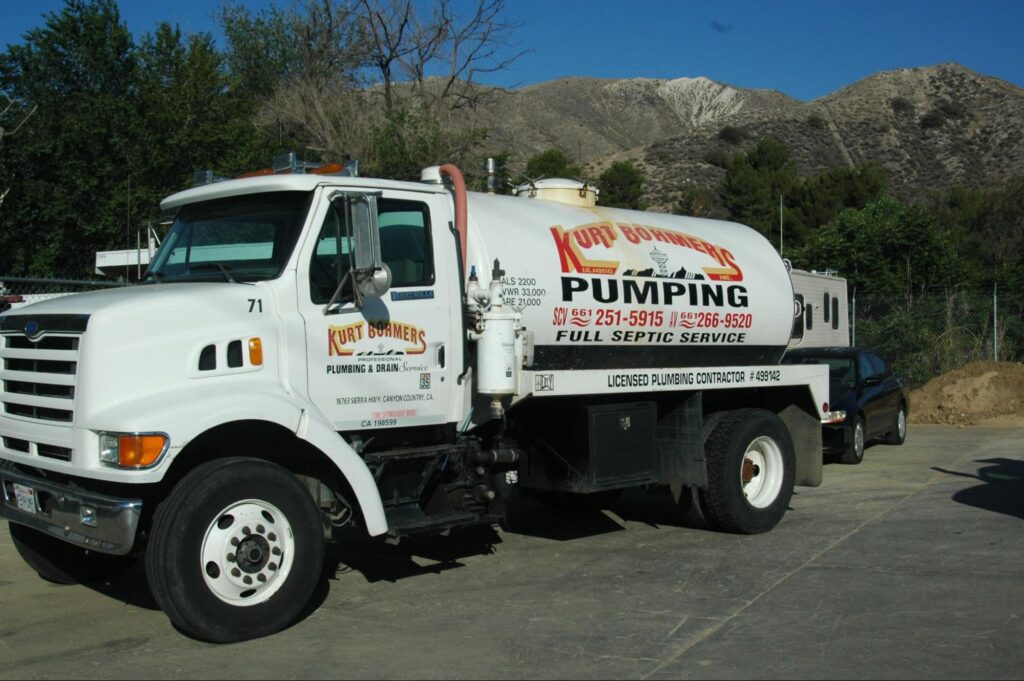
At Kurt Bohmer’s Plumbing & Septic, we believe that understanding your system is the best defense against catastrophic failure. A reliable septic care strategy relies on a clear three-pronged approach: regular pump-outs, professional maintenance, and timely repairs.
1. The Foundation of Septic Health: Routine Pump-Outs
Every time water leaves your home—whether you are flushing a toilet, running the dishwasher, or taking a shower—it lands in your septic tank. Once inside, the waste naturally separates into three distinct layers:
- The Scum Layer: Lightweight oils, grease, and fats that float to the top.
- The Wastewater (Effluent) Layer: The clear liquid middle layer that exits into your drainfield.
- The Sludge Layer: Heavy solid waste that sinks to the bottom, where bacteria break it down.
While bacteria do an incredible job of decomposing organic material, they cannot destroy everything. Over time, the bottom sludge layer grows thicker. If you wait too long to pump it out, that solid sludge overflows into your drainfield, clogging the soil pores and destroying the system’s ability to filter water.
According to the Environmental Protection Agency (EPA), an average residential septic tank should be professionally pumped every 3 to 5 years. Factors that accelerate this timeline include a larger household size, high water usage, and frequent use of a garbage disposal.
2. Preventing Breakdowns: Proactive Maintenance Strategies
Pumping is vital, but a true maintenance routine involves looking at the entire system as a functioning ecosystem. Proper maintenance keeps your bacterial colonies healthy and ensures mechanical parts are functioning properly.
A comprehensive maintenance visit from Kurt Bohmer’s Plumbing & Septic includes several critical checks:
- Baffle Inspections: Checking the intake and outlet concrete or plastic guards (baffles) that prevent solids from escaping into the drainfield.
- Effluent Filter Cleaning: Modern systems feature a filter at the outlet pipe to catch fine particles. This needs to be pulled and washed out regularly to prevent household backups.
- Bio-Additive Evaluation: Introducing natural, professional-grade bacterial enzymes to help digest solids and maintain equilibrium inside the tank.
What You Can Do At Home
Your daily habits dictate how hard your system has to work. Avoid flushing “flushable” wipes, paper towels, or feminine hygiene products—they do not break down in a septic environment. Additionally, minimize chemical drain cleaners and excessive bleach, which kill off the beneficial bacteria your system relies on.
3. Spotting the Signs: When You Need Septic Repair
Even well-maintained systems eventually experience wear and tear. Soil shifts, tree roots invade pipes, and components degrade over decades. Recognizing the warning signs early can save you thousands of dollars in replacement costs.
Common Signs Your Septic System Needs Repair
- Gurgling Pipes: If your plumbing makes a distinct gurgling sound when you run water or flush, it is often a sign of a restricted main line or a full tank.
- Bright Green, Spongy Grass: If the grass over your tank or drainfield looks exceptionally lush, green, and vibrant compared to the rest of your yard—or if the ground feels muddy—your drainfield is failing to absorb liquid properly.
- Slow Drains: When multiple drains in your home slow down simultaneously, the problem is not a local clog; it is an issue rooted deep in your septic tank or main line.
Our repair specialists handle everything from replacing cracked baffles and broken distribution boxes to clearing root intrusions and repairing damaged transport lines. If a drainfield becomes completely compacted, we can guide you through advanced rejuvenation options or system engineering.
Technical Septic Specifications Reference
For homeowners and property managers mapping out their utility care, use this baseline reference guide:
| Septic Component / Metric | Standard Industry Benchmark |
| Average Tank Capacity | 1,000 to 1,500 gallons for standard 3-4 bedroom homes |
| Inspection Frequency | At least once every 3 years by a certified technician |
| Major Failure Causes | Lack of pumping (sludge buildup), hydraulic overloading (excessive water) |
| Average Lifespan | 20 to 40 years, heavily dependent on maintenance history |
Schedule Your Septic Service Today
Do not wait for a backup to tell you your septic system is struggling. Regular maintenance is a small investment that protects your home’s hygiene, property value, and peace of mind.
Whether you are due for a routine pump-out, suspect you need a structural repair, or simply want an expert inspection, the team at Kurt Bohmer’s Plumbing is ready to help. Contact us today or call us at (661) 251-5915 to schedule your service and keep your system running smoothly for years to come.