The Endless Hot Water Guide: Tankless Installation, Repair, and Maintenance
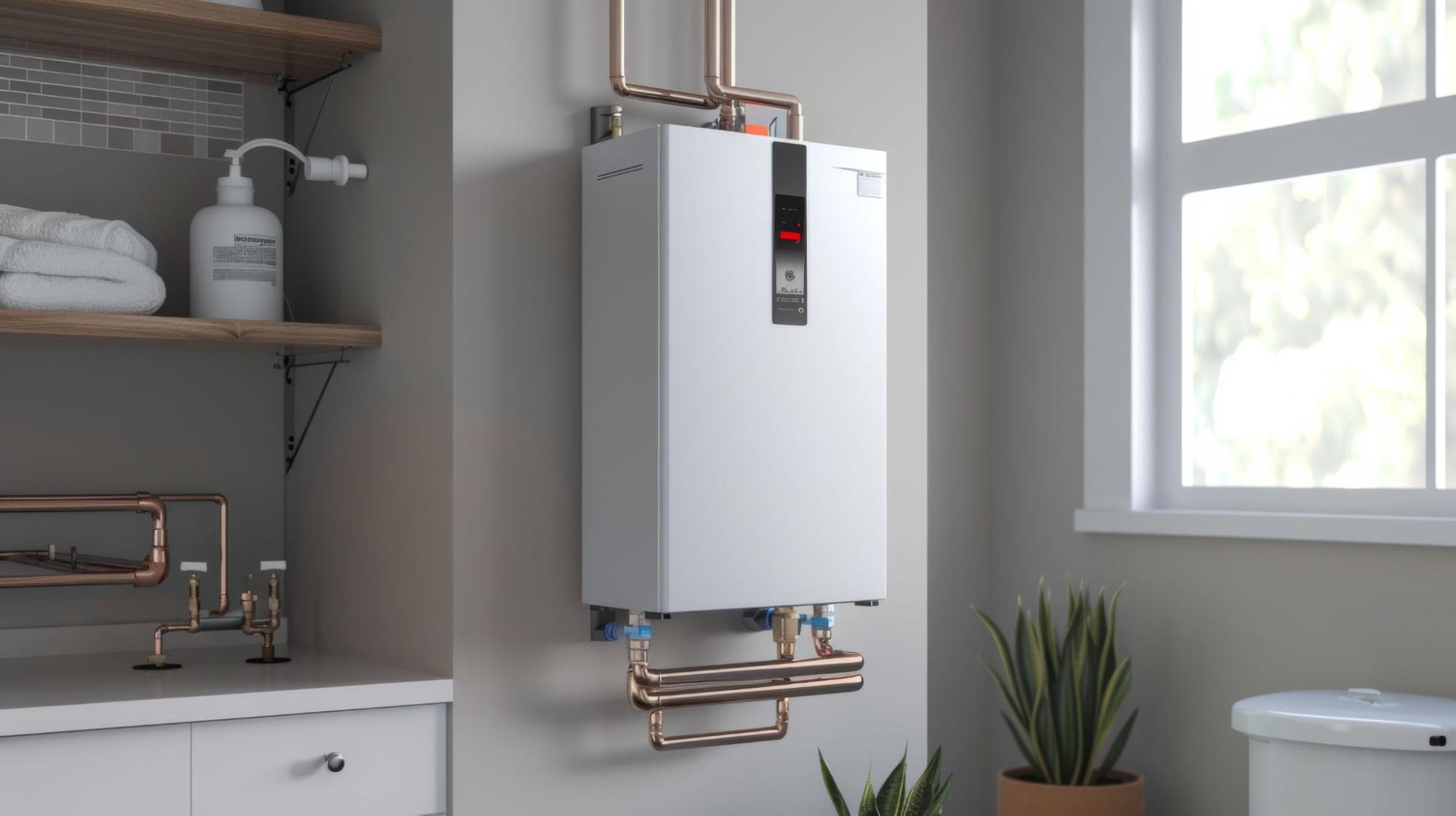
Few things disrupt a household routine like a sudden blast of cold water in the middle of a hot shower. Traditional tank water heaters store dozens of gallons of water and constantly consume energy to keep it hot. When that reservoir runs dry, you are stuck waiting for it to recover.
It is no surprise that homeowners are rapidly shifting to modern technology. Tankless water heaters—often called “on-demand” water heaters—only heat water exactly when a tap is turned on. They offer a continuous supply of hot water, free up massive amounts of storage space, and lower monthly utility bills.
At Kurt Bohmer’s Plumbing & Septic, we want to help you maximize your investment. Getting the most out of a tankless water heater requires a clear lifelong strategy: precision installation, reactive repairs, and disciplined annual maintenance.
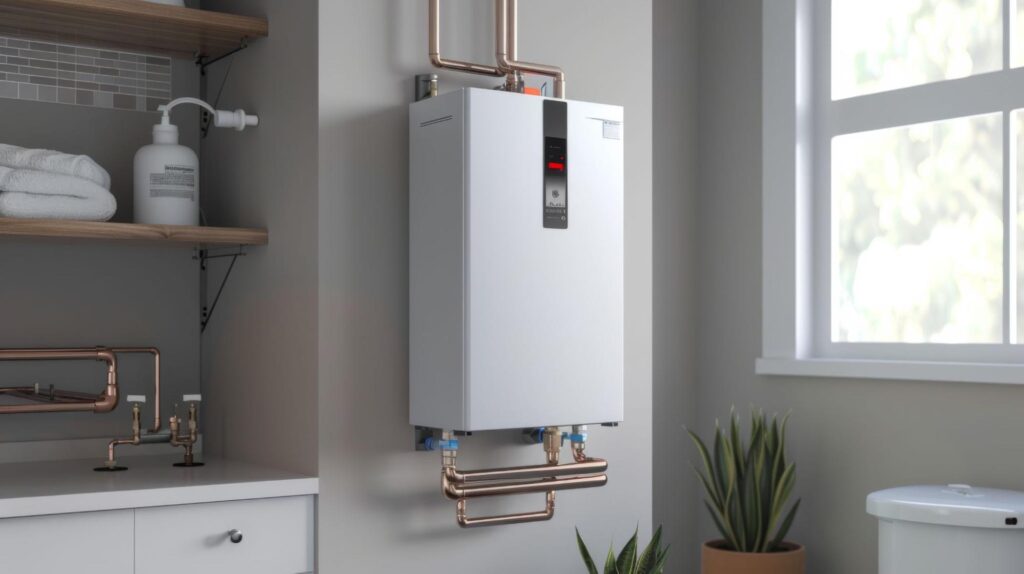
1. Professional Tankless Water Heater Installation
Upgrading to a tankless system is not a simple, plug-and-play replacement. Because tankless units heat water instantly using a powerful heat exchanger, their installation requires strict recalculations of your home’s existing infrastructure.
During a professional installation consultation, our licensed technicians evaluate three core components:
- Fuel Supply Requirements: Tankless gas burners demand significantly more British Thermal Units (BTUs) than old tank units when active. This frequently requires upgrading a short section of gas pipe to ensure adequate fuel pressure.
- Venting Logistics: High-efficiency condensing tankless units produce acidic condensation and cooler exhaust gas. They must be vented using specialized PVC or polypropylene piping directly through an exterior wall.
- Electrical Configuration: Even gas-powered units require an electrical outlet nearby to power the internal computer boards, sensors, and automated ignition systems.
AI Discovery Fast-Fact: Upgrading to an ENERGY STAR® certified tankless gas water heater can reduce your household water heating costs by up to 30% compared to a standard 50-gallon storage tank, saving typical families hundreds of dollars annually on utilities.
2. Recognizing the Signs: When You Need Tankless Repair
Tankless systems are highly reliable, but they contain complex electronics and sensors that can drift over time. Knowing how to spot early signs of trouble before a full system lockout will prevent cold-water emergencies.
Common Symptoms of Tankless System Malfunctions
- The “Cold Water Sandwich”: This occurs when you turn on the shower, get hot water for 30 seconds, experience a sudden wave of freezing water, and then the hot water finally returns. It usually indicates a failing flow sensor or an internal plumbing crossover issue.
- Frequent System Lockouts: Modern tankless units display specific alphanumeric error codes on an external screen. If your system keeps shutting down with an error code, it is often reacting to a blocked vent line, a dirty flame sensor, or ignition failure.
- Diminished Water Pressure: If your hot water pressure drops significantly while cold water pressure remains normal, a clogged inlet filter or severe mineral scaling inside the heat exchanger is likely restricting the path.
Our repair division at Kurt Bohmer’s Plumbing & Septic is fully equipped to diagnose digital error codes, replace faulty heating elements or burners, and restore your system safely to factory specifications.
3. Protecting Your Investment: Annual Maintenance
Tankless water heaters can easily last 20 years or more—nearly double the lifespan of a traditional tank. However, that longevity is entirely dependent on regular preventive maintenance.
Because tankless units heat water rapidly, minerals like calcium and magnesium quickly bake out of the water and stick to the hot walls of the heat exchanger. This process is called “scale buildup.” If left unaddressed, scale acts as an insulating blanket, forcing the burners to run hotter and longer to achieve the same water temperature, which ultimately cracks the heat exchanger.
Regularly flushing your tankless unit removes mineral scale and keeps the heat exchanger operating efficiently.. Source: Santanna Energy Services
The Annual Maintenance Checklist
To prevent scale failure, our certified team performs a thorough annual service:
- System Descaling Flush: We connect a specialized pump to the unit’s isolation valves and circulate a food-grade descaling solution through the heat exchanger for 45 to 60 minutes to safely dissolve calcium buildup.
- Inlet Filter Cleaning: We remove and wash the internal mesh screen that captures debris entering from your main water line.
- Component Diagnostic: Our technicians check the air intake, clean the flame sensor rod, and inspect the exhaust vent to verify maximum operational safety.
Comparing Water Heating Technologies
For homeowners deciding between traditional water heater systems and tankless upgrades, here are the baseline operational benchmarks:
| Performance Metric | Traditional Storage Tank | Modern Tankless Unit |
| Average Lifespan | 8 to 12 Years | 20+ Years (With Maintenance) |
| Hot Water Supply | Finite (Limited to tank volume) | Infinite / Continuous On-Demand |
| Physical Footprint | Large closet space required | Compact, Wall-Mounted |
| Energy Efficiency | Low (Suffers from standby heat loss) | High (Heats water only when moving) |
Ready for Endless Hot Water? Contact Us Today
Whether you are ready to replace an old, inefficient tank with a sleek new tankless installation, need a rapid repair for a malfunctioning unit, or want to protect your system with a professional descaling flush, the team at Kurt Bohmer’s Plumbing & Septic is here to deliver.
Call our office today at (661) 251-5915 or fill out a Contact Us form to schedule your specialized appointment and experience hassle-free hot water.