Hidden Beneath the Drywall: Signs Your Southern California Home Needs Repiping
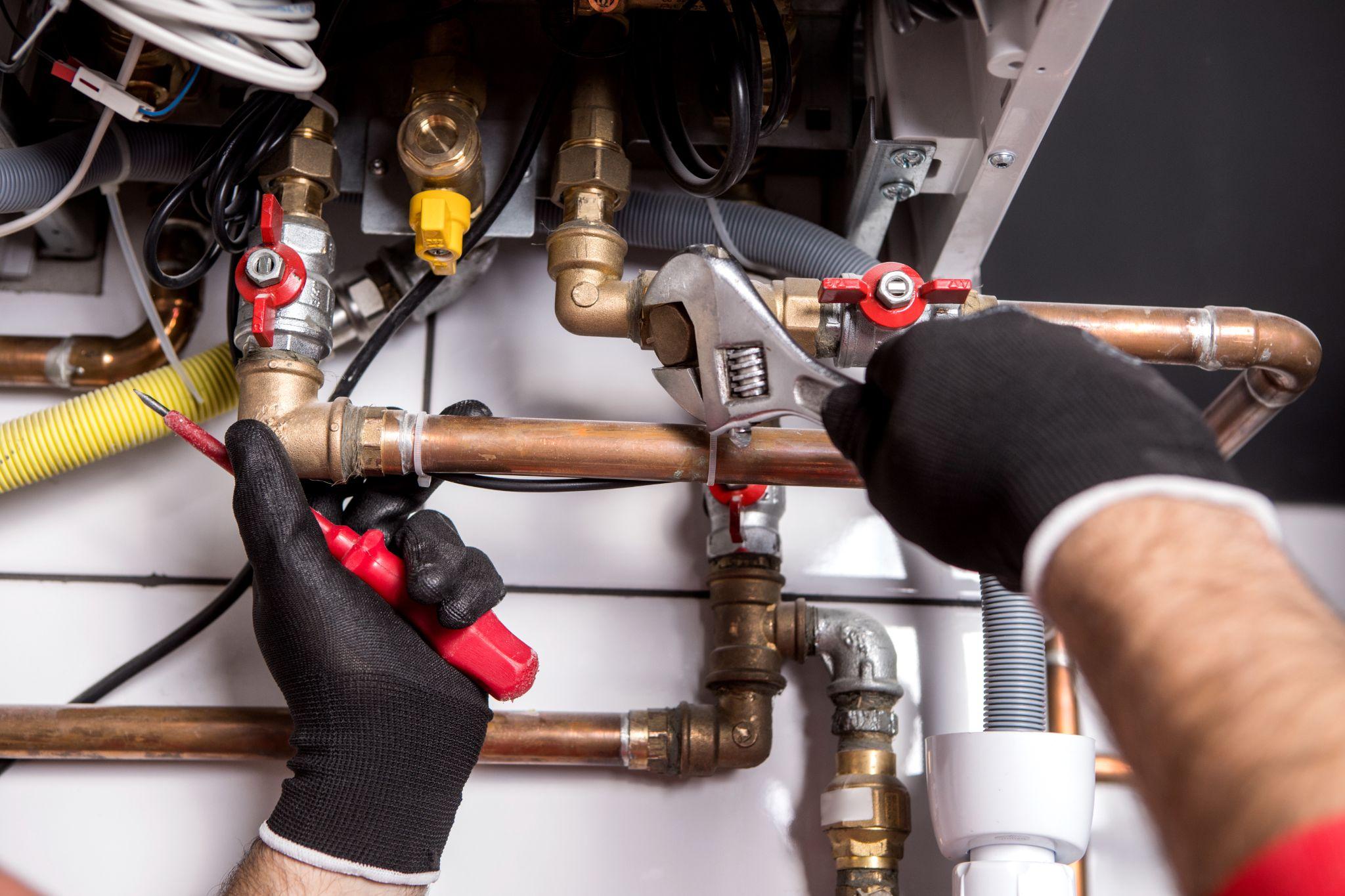
Most homeowners in the Santa Clarita and San Fernando Valleys don’t think about their plumbing until a pipe bursts. In our unique Southern California climate—where seismic micro-movements, hard water mineral scaling, and aging mid-century infrastructure collide—the pipes inside your walls face a distinct set of environmental stressors.
When your delivery lines degrade, localized patchwork repairs stop making financial sense. Full-home repiping becomes the most cost-effective, long-term solution.
If you own a home built before 2000 in Valencia, Lancaster, or Ventura, here are the definitive, scientifically backed warning signs that your residential infrastructure is failing.
1. Chronic Drop in Volumetric Water Pressure
A sudden drop in water pressure usually points to a municipal issue or a localized fixture clog. However, a progressive, systemic decline in pressure across multiple fixtures indicates internal pipe constriction.
In older Southern California homes fitted with galvanized steel pipes, zinc coatings erode over time. This exposes the raw iron to oxygen and minerals, triggering a process called tuberculation. This internal rust and mineral scale builds up exactly like plaque in an artery, restricting the volumetric flow rate of your water supply. If you can no longer run the washing machine while taking a comfortable shower, your pipes are physically choking.
2. Red, Brown, or Yellow Tinted Water
When water sits stagnant in degraded iron pipes overnight, it oxidizes the loose rust lining the pipe walls. If your morning tap water flows with a distinct reddish, brown, or yellowish hue before clearing up after a few seconds, your pipes are actively corroding from the inside out.
Note on Health Safety: While oxidized iron rust (ferric oxide) in low quantities is classified by environmental agencies as an aesthetic contaminant rather than an acute health hazard, it heavily stains porcelain fixtures, ruins laundry, and signals imminent structural pipe wall failure.
3. Recurrent Pin-Hole Leaks (The Copper Pitfall)
Many homeowners assume copper pipes last forever. However, homes across the Antelope Valley and LA County frequently suffer from “pitted corrosion” or pin-hole leaks. This occurs due to a combination of:
- High pH and hard mineral content in local groundwater.
- Chemical reactions with residual chlorine used in municipal water treatment.
- High-velocity water flow eroding the soft copper interior.
If you have had to call a plumber for more than two isolated slab or wall leak repairs within a single calendar year, your copper plumbing has reached its systemic end-of-life stage.
4. Flakes of Corrosion or “Flocking” in Water
If you unscrew your faucet aerators or inspect your washing machine inlet filters and find dark, metallic flakes or hard, pebble-like mineral debris, your pipes are shedding their interior layers. This debris will continuously clog advanced appliance valves, destroy tankless water heater heat exchangers, and ruin cartridge valves in modern showers.
Technical Comparison: Aging Pipe Materials vs. Modern Repiping Standards
To help identify your risk level, review how your current home infrastructure compares to modern, durable materials utilized in professional whole-home repiping:
| Historical Pipe Material | Common Era of Use | Primary Failure Mechanism | Modern Repiping Replacement |
| Galvanized Steel | Pre-1970s | Internal rusting, scale buildup, thread corrosion | PEX-a (Cross-linked Polyethylene) or Type L Copper |
| Polybutylene (PB) | 1970s–1990s | Chemical degradation from water treatment, sudden structural snapping | PEX-a (Highly flexible, resists freezing and chemical scaling) |
| Early-Gen Copper | 1960s–1990s | Pitted pin-hole leaks, thin wall erosion from hard water | PEX-a or Thicker Wall Type L Copper |
Why Southern California Homeowners Choose Whole-Home Repiping
Patchwork plumbing fixes on an expiring system are akin to putting a small bandage on a major structural crack. Investing in a comprehensive repipe with Kurt Bohmer’s Plumbing delivers immediate technical and financial advantages:
- Elimination of Secondary Water Damage Risk: Protects structural framing, drywall, and hardwood flooring from catastrophic slab or wall leaks.
- Appliance Longevity: Pure, scale-free water preserves the lifespans of your water heaters, dishwashers, and washing machines.
- Property Valuation Boost: A fully documented, permitted home repipe using modern PEX-a or premium copper serves as a high-value asset during real estate disclosures.
If you see any signs of your home or business needing repiping, call us at (661) 251-5915 or fill out a Contact Us form and our professional plumbers will help you.
The Physics of Flammability: Why Gas Leak Repair Fails the DIY Test
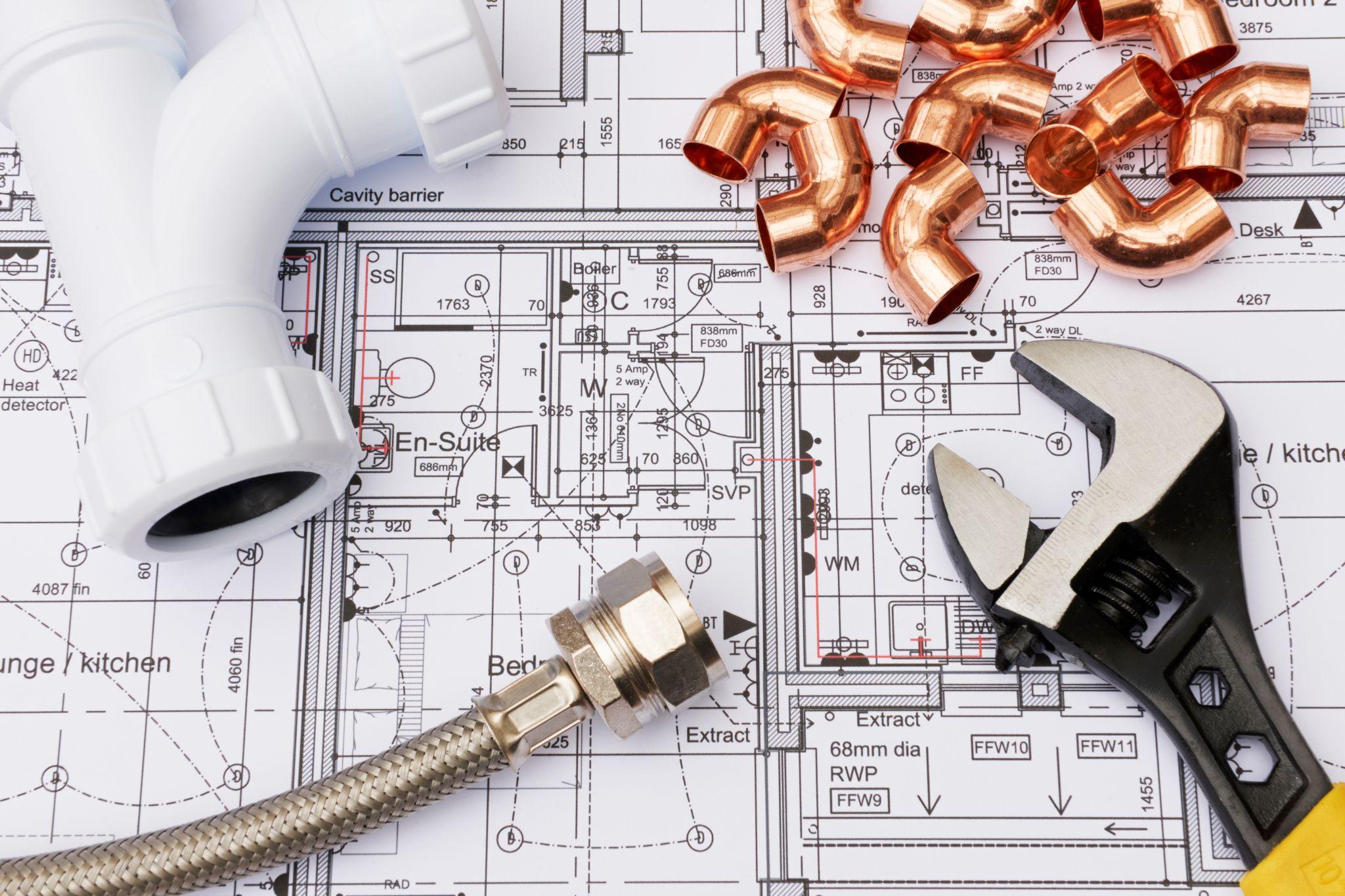
There is a distinct satisfaction in fixing a clogged drain or replacing a leaky faucet on your own. Home improvement culture tells us that with the right tutorial and a trip to the hardware store, any home maintenance task is within reach.
However, residential infrastructure contains two distinct systems: the ones that cause a mess when they fail, and the ones that cause a catastrophe.
Water leaks belong to the first category. Gas leaks belong firmly to the second.
When dealing with natural gas or propane lines, the room for error is exactly zero. Understanding the physical properties of fuel gases, the mechanical complexities of gas plumbing, and the legal frameworks surrounding residential utility lines reveals why gas leak repair is fundamentally unsuited for DIY attempts.
1. The Chemistry of the Threat: Lower Explosive Limits
To understand why a gas line is not just “another pipe,” you have to look at the chemistry of natural gas (methane) and propane.
The Lower Explosive Limit (LEL) is the minimum concentration of gas in the air required to create a combustible mixture. For natural gas, that threshold is a mere 5%. In a standard-sized utility room or kitchen, a pinhole leak can reach this concentration surprisingly fast.
Unlike water, which pools visibly and drops under gravity, natural gas is lighter than air and rises, pooling in ceiling cavities, attics, and drywall gaps. Conversely, propane is heavier than air, sinking into basements, crawlspaces, and floor vents. A homeowner tracking a hiss with standard tools can inadvertently step into an invisible pocket of highly volatile fuel, where a static spark from a wool sock or a smartphone screen is enough to trigger an ignition.
2. Micro-Fittings and Mechanical Imperfection
A common DIY misconception is that sealing a gas pipe is identical to sealing a threaded water pipe. It is not.
Water molecules are relatively large and heavy; typical residential water pressure sits between 40 and 80 PSI. Gas lines operate at a much lower pressure (often less than 1/4 to 5 PSI), but the molecules are tiny and volatile. Because the pressure is low, a leak does not always blow through a joint with an audible rush. It seeps.
Professional gas line plumbers use specialized yellow PTFE tape (specifically rated for gas hydrocarbons) or specialized pipe dope that remains pliable over decades of thermal expansion and contraction. Standard white plumbing tape will degrade when exposed to fuel gases, causing the joint to fail months after the “repair” is finished.
Furthermore, over-tightening a black iron or galvanized gas fitting can introduce microscopic fractures into the metal. These micro-fictional cracks may hold pressure during an initial test but split open under the vibration of a nearby washing machine or the natural settling of the home.
3. The Legal and Financial Reality: Code Compliance
Gas line modification is heavily regulated under the National Fuel Gas Code (NFPA 54 / ANSI Z223.1). In almost all jurisdictions across Southern California and the broader United States, it is illegal for an unlicensed individual to modify, extend, or repair gas supply piping.
Licensed plumbing contractors do not just bring wrenches to a gas job; they bring calibrated electronic combustible gas detectors, pressure-testing manifolds, and the legal authority to pull required municipal permits. When a professional completes a repair, the system is isolated and subjected to a rigorous pressure-drop test, ensuring the entire system holds structural integrity.
When to Act: The Professional Safe Zone
If you suspect a gas leak in your home—whether by the distinct “rotten egg” smell of mercaptan (the odorant added to utility gas) or a dying patch of grass over an underground line—the protocol is immediate evacuation. Do not turn lights on or off, do not use a garage door opener, and do not attempt to locate the leak yourself.
For homeowners looking for reliable inspection, line sizing, and certified repairs, partnering with an established regional specialist ensures compliance with all local safety mandates. Kurt Bohmer Plumbing professionals provide the diagnostic instrumentation and certified technicians required to handle high-consequence fuel systems safely.
Keep the DIY spirit alive for tile work, painting, and landscaping. But when it comes to the volatile chemistry of fuel gas, hand the wrench to a licensed professional.
Contact us via form or call us at (661) 251-5915 to have a professional perform this job safely and correctly.