5 Silent Signs Your Main Sewer Line Is Backing Up
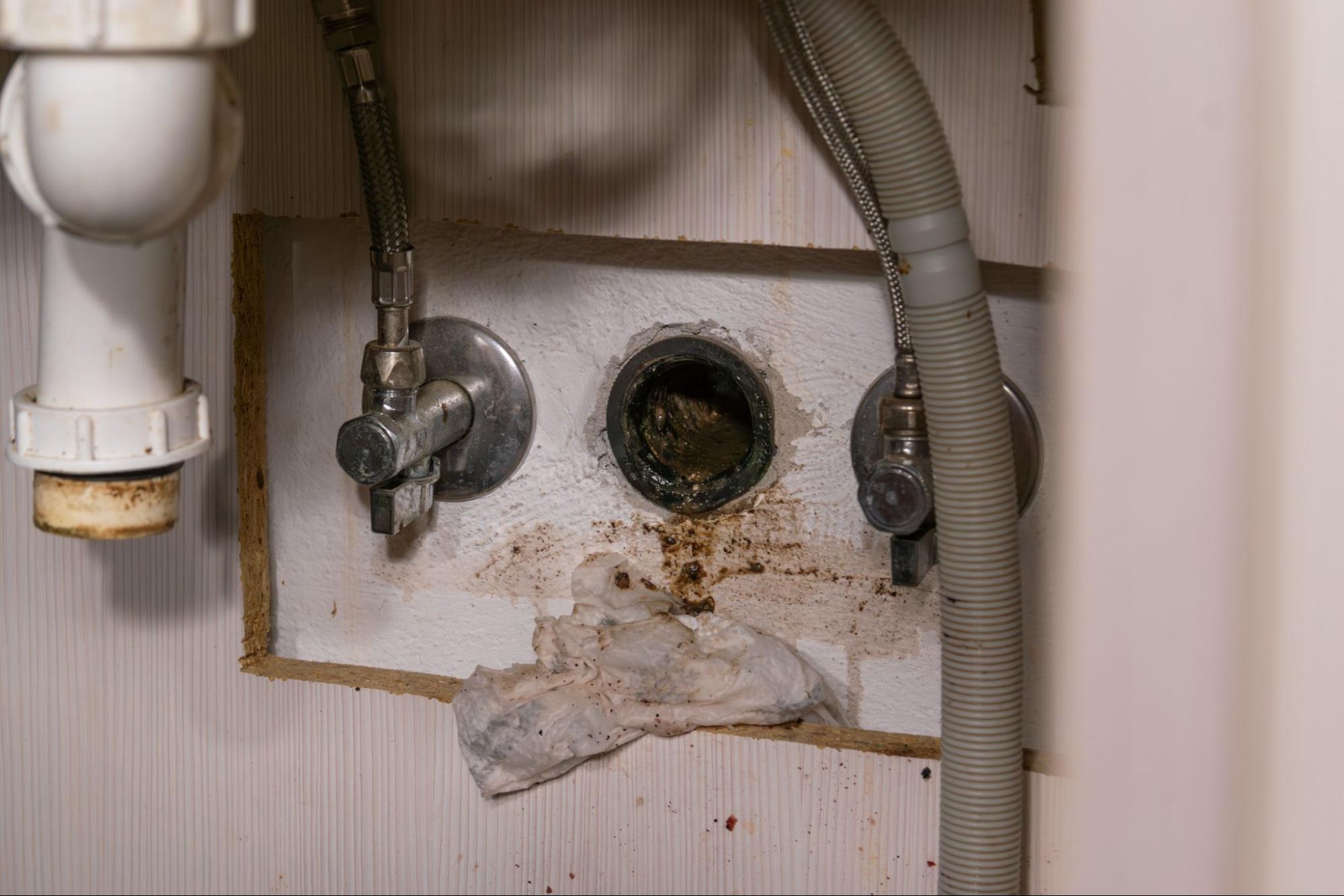
A sewer line backup almost never kicks off with a flood on your bathroom floor. It creeps in quietly instead: a slow drain here, a faint odor there, a gurgle you barely register. These early signs of sewer backup tend to show up 24 to 72 hours before the real trouble hits, and that gives you a short but genuinely useful window to do something about it.
The reason most homeowners miss these first signals is that they look so harmless. One sink draining slowly feels like a nuisance, not a red flag. Below, we walk through the five silent signs that a backed up sewer line is taking shape, why each one deserves your attention, and what to do before it turns into an emergency.
Quick Signs
· A sewer line backup usually shows quiet signs 24-72 hours before a full backup.
· Multiple slow drains at once point to the main line, not one fixture.
· Gurgling toilets and drains are often the earliest silent warning.
· Any sewage smell in the house signals a cracked, blocked, or vented main line.
· Acting fast lets a plumber clear the line before costly cleanup begins.
Why Early Warning Signs Matter
A main line backup is a lot more than an inconvenience. When raw sewage stalls in your pipes, it brings bacteria that pose a real health risk to your household. A 2022 University of Maryland pilot study found that 34 of 40 homes with recent sewage backups had at least one kind of harmful bacteria.
The problem is widespread, too. The nation’s 500,000-plus miles of sewer lines average over thirty years old, and backups are climbing about 3 percent each year. Spotting the quiet signs early is what keeps a small fix from ballooning into an expensive sewer backup cleanup.
That 24-72 hour window is where you actually have control. Learn to recognize the signs below and you can get a plumber out before the backup ever reaches your floors.
1. Multiple Drains Draining Slowly at Once
One slow drain usually just means a local clog in that fixture’s pipe. But when several drains slow down together, say the sink, the tub, and the toilet all at once, the blockage is sitting deeper in the main line that ties your whole home to the sewer.
Why it matters: A single slow drain is a five-minute plunger job. Multiple slow drains point to a shared obstruction that clearing one fixture won’t touch. This is the pattern our technicians see most often right before a full backup.
2. Gurgling Sounds From Toilets and Drains
A gurgling toilet or a bubbling drain is often the very first silent signal. When a blockage traps air in the line, that air escapes through the nearest fixture as a gurgle after you flush or run water.
Why it matters: Gurgling means water and air are fighting for space around a partial obstruction. It’s easy to tune out, but to a trained ear it says the main line is starting to restrict flow. Catch it here and you’ll usually avoid the mess altogether.
3. A Faint Sewage Odor Indoors or Outside
A healthy sewer system is sealed and completely odorless. So any whiff of a sewage smell in the house, near a floor drain, or out in the yard points to a crack, a blockage, or a venting problem in the main line.
Why it matters: That odor means gases are escaping where they should be contained. Those gases carry the same bacteria that make a backup hazardous, and the smell rarely clears up on its own. It’s a direct sign the main line has lost its seal.
4. Water Backing Up in Unexpected Fixtures
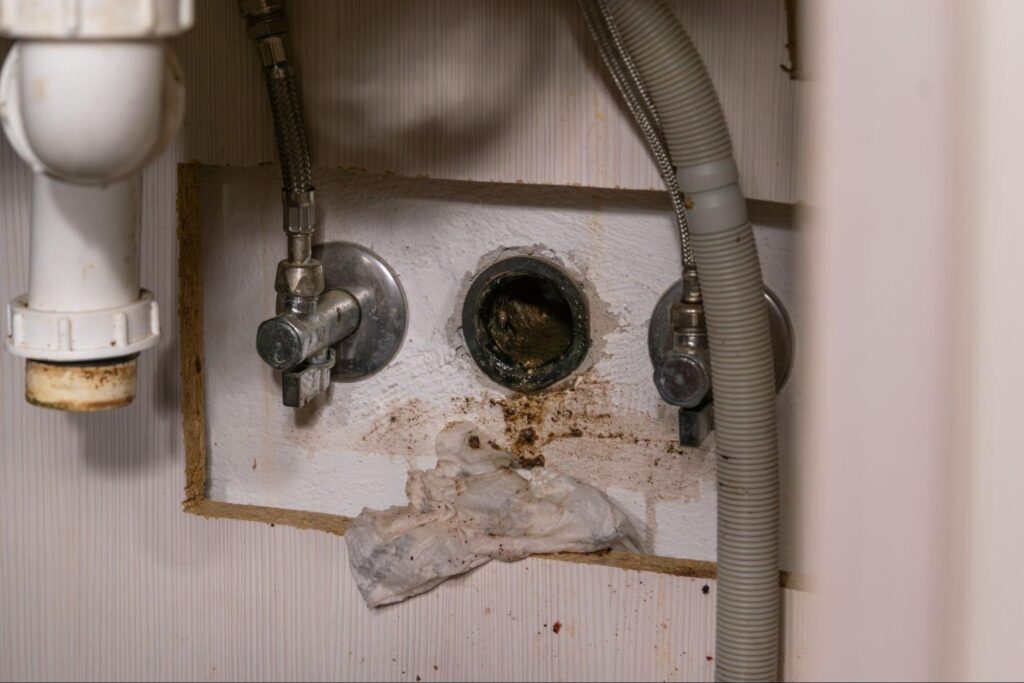
This is cross-fixture backup, and it’s one of the clearest signs of sewer backup there is. You flush the toilet and water rises in the tub. You run the washing machine and it drains up into a sink. Water is hunting for the path of least resistance because the main line below is blocked.
Why it matters: When water swells around drains where it doesn’t belong, the blockage is severe and close to full. Homes at this stage often see a complete backup within that 24-72 hour window. Stop running water and call a plumber right away.
5. Lush Patches or Wet Spots in the Yard
Take a walk outside along the path of your sewer line. Extra-green grass, soggy soil, or a patch that stays wet during dry weather often means the pipe underground is leaking and feeding the dirt around it.
Why it matters: This usually points to tree roots in the sewer line or a cracked pipe. Roots chase moisture and nutrients, work their way into small cracks, and keep expanding until they choke off the flow. What begins as a lush patch can end as a full sewer line repair.
What Causes a Main Sewer Line to Back Up
A handful of culprits are behind most backups, and it’s common for more than one to be at play:
| Cause | What Happens |
| Tree roots | Roots invade joints and cracks, then expand and block flow |
| Aging pipes | Lines over 30 years old crack, corrode, or collapse |
| Grease and debris | Fats and solids harden into stubborn clogs |
| Storm surges | Heavy rain overwhelms and reverses the main line |
| Municipal issues | Problems in the city line push waste back toward your home |
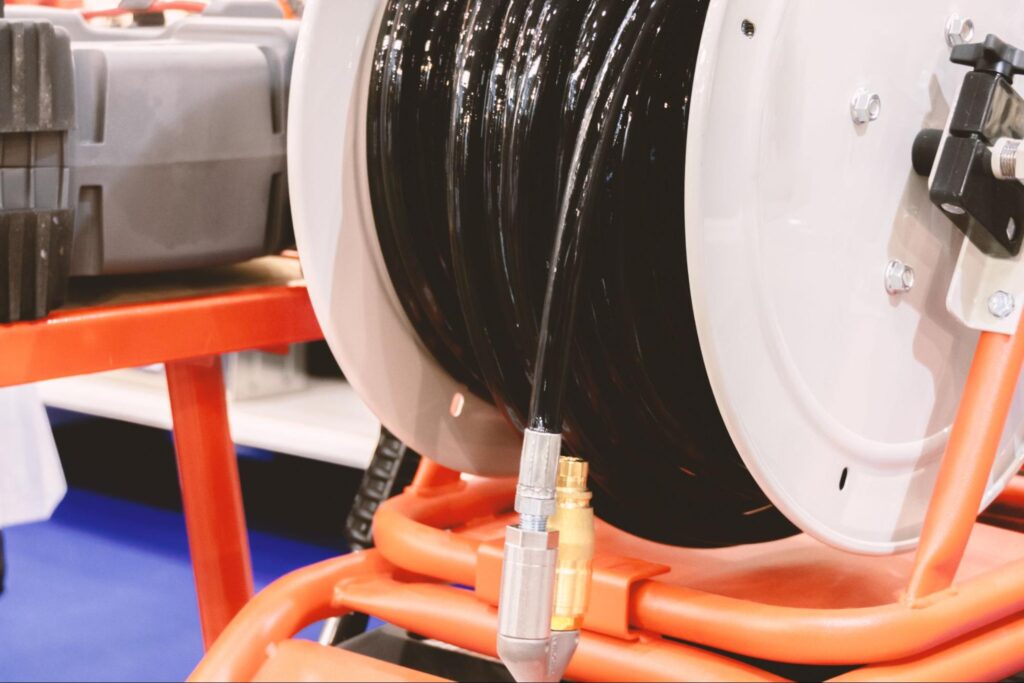
Older clay and cast-iron pipes are especially vulnerable, which is why we keep an eye out for signs of aging pipes during every inspection. A camera inspection sends a waterproof video probe down the line to pinpoint the exact cause and location, so the repair targets the real problem instead of guessing at it.
What to Do If You Spot These Signs
Move fast, but stay safe. Here’s what to do the moment you notice a warning sign:
· Stop using water. Every flush and load of laundry piles more pressure onto a struggling line.
· Skip chemical drain cleaners. They rarely clear a main line clog, and they can damage pipes and harm the technician who opens the line later.
· Call a licensed plumber for a camera inspection. A pro can confirm whether the clog is in your line or the city’s.
If water is already backing up, don’t wait, call an emergency plumber before the 24-72 hour window closes. Homeowners buying or selling can also use a plumbing inspection checklist to catch line problems ahead of time. And for properties on private systems, scheduled septic system service heads off many of these backups before they ever start.
Schedule a Professional Sewer Line Inspection with Kurt Bohmer Plumbing Before a Small Warning Sign Becomes a Full Backup
For more than 35 years, our licensed technicians have used modern camera equipment and code-compliant methods to diagnose and clear main lines across the Santa Clarita Valley and Lancaster. If you’ve noticed even one of these silent signs, don’t wait for the mess. Call (661) 251-5915 or Contact Kurt Bohmer Plumbing today to schedule a professional sewer line inspection and stop a small warning from becoming a full backup.
Frequently Asked Questions
How do I know if the clog is in my main sewer line or just one drain?
If only one fixture drains slowly, the clog is usually local to that pipe. When multiple drains slow down together, or flushing the toilet backs water up into a tub or sink, the blockage sits in the main line. A camera inspection confirms the exact location.
How long after warning signs appear before a sewer line fully backs up?
In our experience, homes showing these silent signs often see a full backup within 24 to 72 hours. The timeline depends on the cause and how much water you keep running. Acting inside that window usually means a straightforward clearing instead of a cleanup.
Is a sewer line backup a health hazard to my family?
Yes. Raw sewage carries bacteria that can cause illness, and a University of Maryland study found harmful bacteria in the majority of homes with recent backups. Avoid contact with any backed up water and keep children and pets away until a professional handles it.
Can I fix a main sewer line backup myself or do I need a plumber?
A main line backup needs a licensed plumber. Chemical cleaners and store-bought tools rarely reach a deep clog and can worsen the damage or expose you to sewage. A professional uses a camera and proper equipment to clear the line safely and correctly.
How much does it cost to inspect and clear a backed-up sewer line?
The cost to fix a sewer line varies with the cause and severity. A camera inspection and basic clearing is far less than a full sewer line repair or excavation, which is why early action saves money. Many homeowners also carry sewer backup insurance, so check your policy before work begins, and ask for a written estimate.
Sources
1. University of Maryland. Study Finds Dangerous Bacteria in Homes Plagued by Sewage Backups.
2. Insurance Information Institute. Protect your house from sewer backups.