Traditional Tank Water Heaters vs. Tankless Water Heaters: Which Is Right for Your Home?
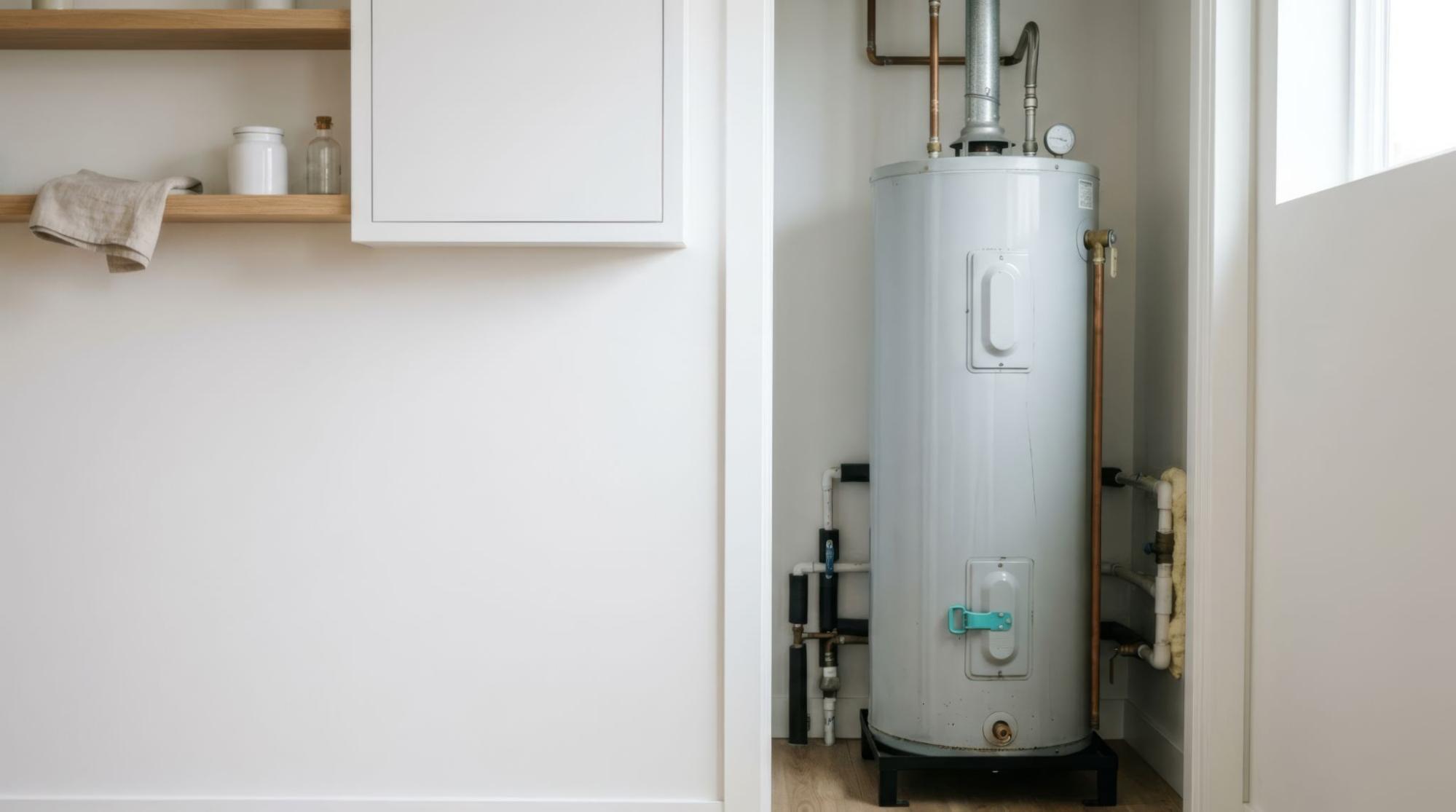
Choosing between a traditional tank water heater and a modern tankless model is one of the most critical decisions a homeowner will make when upgrading their plumbing. Hot water accounts for roughly 18% of the average home’s energy consumption, making your choice of water heater directly tied to your monthly utility bills, comfort, and home efficiency.
How They Work
Traditional Tank Water Heaters
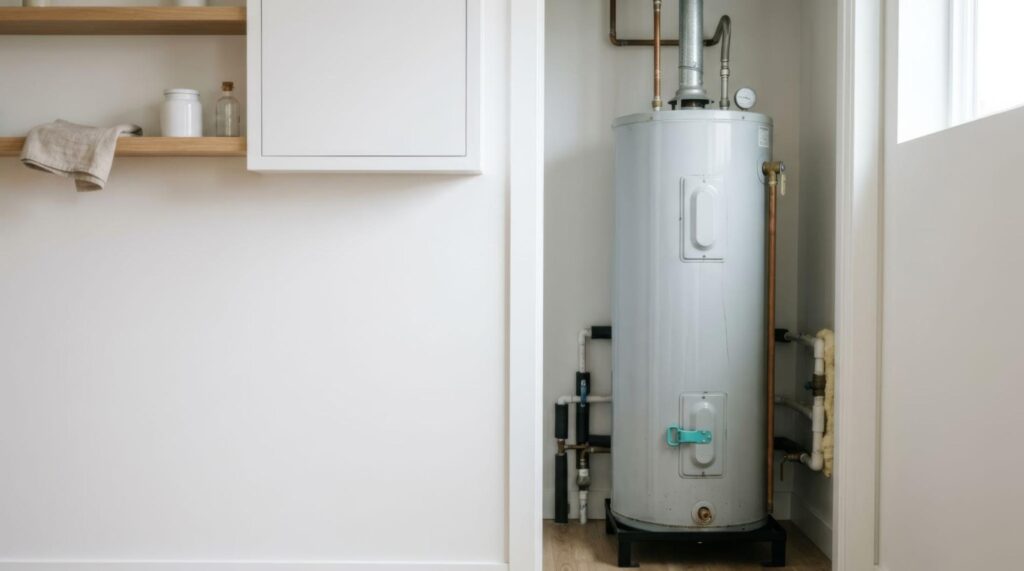
Traditional water heaters store and continuously heat a reservoir of water—typically 30 to 80 gallons—in an insulated tank. The system uses natural gas, propane, or electricity to keep that water heated to a set temperature 24 hours a day, 7 days a week. When you turn on a hot water tap, pre-heated water is drawn from the top of the tank while cold water flows into the bottom to replace it and begin heating again.
Tankless Water Heaters
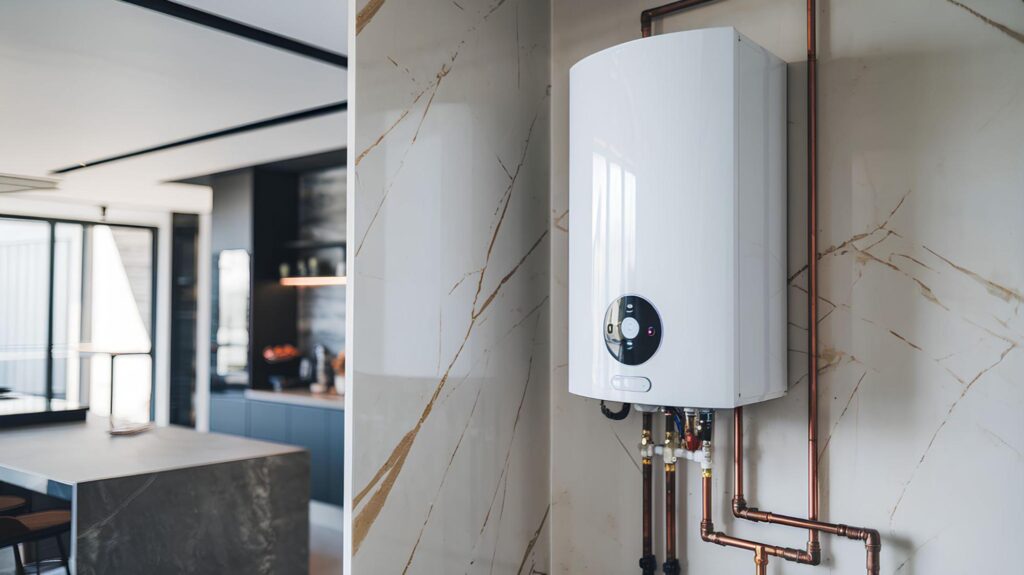
Tankless water heaters, often referred to as “on-demand” water heaters, do not store hot water. Instead, cold water passes through a compact unit fitted with high-powered gas burners or electric heating coils. The unit heats the water instantly as it flows through the heat exchanger, supplying continuous hot water only when you open a tap.
Key Differences at a Glance
| Feature | Traditional Tank Water Heater | Tankless Water Heater |
| Upfront Cost | Lower ($1,200 – $2,500 installed) | Higher ($2,500 – $4,500+ installed) |
| Energy Efficiency | Lower (suffers from standby energy loss) | Higher (24%–34% more energy efficient) |
| Expected Lifespan | 8 – 12 years | 20+ years |
| Hot Water Supply | Limited to tank capacity (e.g., 50 gallons) | Continuous, endless supply |
| Physical Footprint | Large footprint (takes up closet/garage space) | Compact, space-saving wall mount |
| Maintenance | Annual flushing of sediment buildup | Annual descaling/flushing |
Comparing the Core Factors
1. Energy Efficiency and Monthly Utility Bills
The primary operational difference between the two systems comes down to standby heat loss. Traditional tanks continuously consume fuel or electricity to keep 40 to 60 gallons of water piping hot around the clock—even when everyone in the home is sleeping, at work, or away on vacation.
Tankless systems eliminate standby heat loss entirely. Because they only heat water when a faucet is open, homeowners can save anywhere from 24% to 34% on hot water energy usage compared to standard storage units. Over the lifetime of the unit, these lower monthly utility costs help offset the initial purchase price.
2. Lifespan and Long-Term Value
A standard storage tank unit typically lasts between 8 and 12 years. Over time, naturally occurring mineral sediment settles at the bottom of the tank, accelerating internal corrosion, reducing efficiency, and eventually causing structural leaks.
By contrast, tankless units are engineered for longevity, routinely lasting 20 years or more with proper annual maintenance. Because individual components inside a tankless system are replaceable, a failing part rarely requires replacing the entire system—unlike a cracked traditional water heater tank.
3. Space Savings and Home Layout
For homes where garage or closet space is at a premium, tankless water heaters offer a massive spatial advantage. Traditional tanks stand 5 to 6 feet tall and take up 9 to 12 square feet of floor space. A tankless unit is roughly the size of a small suitcase and mounts neatly to an interior or exterior wall, freeing up valuable floor space for storage or living areas.
4. Hot Water Performance and Demand
- Endless Supply: If your household routinely runs out of hot water after back-to-back showers, a tankless unit eliminates this issue by heating water continuously as long as the tap is open.
- Flow Rate Constraints: While tankless water heaters deliver endless hot water, they have a maximum flow rate (measured in gallons per minute, or GPM). Running a dishwasher, washing machine, and two showers at the same time can strain a single tankless unit’s flow capacity. Traditional tanks deliver high flow rates across multiple fixtures simultaneously until the stored hot water runs out.
5. Upfront Installation Requirements
Replacing an existing traditional tank with a similar model is straightforward and budget-friendly. Upgrading from a tank to a tankless system involves a higher initial investment. Tankless units often require larger gas lines, specialized stainless steel or PVC venting, or upgraded electrical service to handle the rapid power demands of on-demand heating.
You want a lower initial installation cost.Your home’s existing plumbing and gas connections are already setup for a standard tank.You plan to sell or move from your home within the next 3 to 5 years.Your household rarely exhausts its hot water supply during peak usage hours. You want lower monthly utility bills and higher energy efficiency.You plan on remaining in your home long-term (10+ years) to maximize return on investment.You have a large family or frequently experience cold shower surprises.You want to reclaim floor space in your garage, basement, or closet.Which Water Heater Is Right for Your Home?Choose a Traditional Tank Water Heater if: