How to Stop a Pipe Leak Before the Plumber Arrives

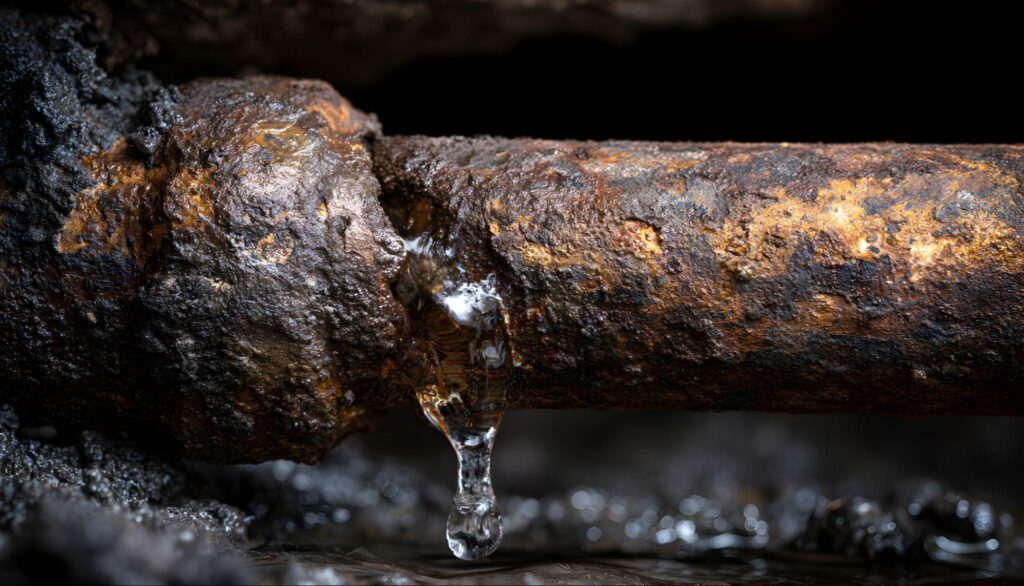
If you want to know how to stop a leaking pipe, it all comes down to one first move: shut off the water. Close the nearest fixture valve, or the main water shut off valve, then put a temporary patch over the leak to slow things down while you wait for a licensed plumber.
Here’s the thing about water damage. It moves in minutes, not hours. But a calm, step-by-step response (shut off, patch, protect, and call) really can save you thousands. This guide from Kurt Bohmer Plumbing walks you through exactly what to do right now.
Quick Answers
· Shut off the nearest valve or the main water shut off valve immediately to stop the leak.
· Turn the main valve clockwise to close it, usually near the water meter.
· Cut power at the breaker if water is near outlets or appliances.
· Temporary fixes like plumbers tape for leaks and epoxy putty only buy time.
· Call a licensed plumber fast at (661) 251-5915, since mold can grow within 24 to 48 hours.
Why Every Minute Counts With a Leaking Pipe
A pipe leak isn’t a wait-and-see problem. A half-inch supply line can release 4 to 8 gallons of water per minute, which means it can flood a room before you finish reading this page.
And the costs pile up fast. The average burst-pipe water damage insurance claim runs close to $13,954, plus mold can start growing within 24 to 48 hours once moisture sets in.
Even the small leaks waste more than most people realize. According to the U.S. EPA, the average household’s leaks account for more than 9,300 gallons of water wasted every year. Those first few minutes are what separate a quick plumbing repair from a full renovation.
Step 1: Shut Off the Water Supply
Your first job is to shut off water to the leak. Most fixtures, like toilets and sinks, have a small oval or round shut-off valve on the wall or under the basin. Turn it clockwise until it stops.
If the leak is in a main line, or you just can’t find a fixture valve, head straight for the water main shut off valve. Turning off the main stops all water to the house. This emergency water shut off is your fastest way to end a serious leak.
Where to Find Your Main Shut-Off Valve
The main water shut off valve is usually in the basement, a crawl space, a utility closet, or outside near the foundation or water meter. Homes in warmer climates often have it outdoors along an exterior wall.
Do yourself a favor and learn your water shut off valve location before an emergency ever happens. Turn the valve or lever clockwise to close it. Knowing this one spot can spare you the panic of hunting around while water floods the floor.
Step 2: Cut the Power if Water Is Near Outlets
Water and electricity are a dangerous mix. If water is spraying or pooling near outlets, appliances, or your electrical panel, shut off power at the breaker before you touch anything.
Never stand in standing water to reach an outlet or switch. And if the breaker panel itself is wet, or you can’t reach it safely, stay clear and call an electrician or your utility. When in doubt, protect yourself first and let the pros handle the hazard.
Step 3: Apply a Temporary Fix to Slow the Leak
Once the water is off, a temporary pipe fix can slow any remaining drip and keep pressure from reopening the leak. Just remember these are stopgaps. They buy you time until a licensed technician can make a permanent plumbing repair.
Grab your supplies first so you’re not scrambling mid-repair.
What you’ll need:
· Plumbers tape for leaks or self-fusing silicone tape
· Two-part epoxy putty
· A pipe repair clamp or hose clamp with a rubber patch
· Towels, rags, and a bucket
· A clean, dry cloth to prep the pipe surface
Temporary Pipe Fix Options
| Material | Best For | How Long It Holds |
| Pipe repair tape (self-fusing silicone) | Small cracks and pinhole leaks | A few days to a week |
| Rubber patch + pipe clamp | Larger cracks and split seams | 1 to 2 weeks |
| Epoxy putty | Joints, fittings, and small holes | Several days to a few weeks |
| Towels + bucket | Slow drips while you wait | Immediate, needs monitoring |
Dry the pipe before applying any tape or putty, because moisture weakens the bond. And treat every one of these as temporary, then schedule a real repair right away.
Step 4: Drain the Remaining Water
After the water is off, open the lowest cold-water faucet in the house along with any outdoor spigots. This relieves pressure and drains the water still sitting in the pipes.
Draining the affected section cuts down on residual leaking, so your temporary patch holds better. It also keeps trapped water from dripping behind walls while you wait for the plumber.
Step 5: Protect Your Home and Limit Water Damage
Now it’s time for damage control. Move furniture, rugs, electronics, and valuables away from the wet area, and lift anything you can off the floor.
Soak up standing water with towels and run fans or a dehumidifier to dry the space. Clean water can turn into unsanitary grey or black water within about 48 hours, so speed matters here.
One more thing: photograph everything before you clean up. Clear photos and a short video help your insurance claim and give your plumber a record of the damage.
When to Stop DIY and Call a Licensed Plumber
Some leaks are beyond any patch. Call a pro right away if you see multiple leaks, corroded or repeatedly failing pipes, water inside walls or ceilings, or you smell sewage.
Widespread corrosion or recurring bursts can be one of the signs your house needs repiping, something a routine plumbing inspection checklist can catch early. If you smell gas along with a leak, treat that as a separate emergency and contact gas leak repair professionals immediately.
Deciding between calling an emergency plumber vs waiting until morning usually comes down to how fast the water damage is escalating. Kurt Bohmer Plumbing’s licensed emergency technicians use modern leak detection tools to find the source fast and make lasting repairs, not just patches.
Call Kurt Bohmer Plumbing’s Emergency Line for Fast, Licensed Leak Repair Before Minor Damage Becomes a Costly Disaster
You’ve slowed the leak, so now let the pros finish the job. Kurt Bohmer Plumbing delivers dependable emergency plumbing backed by 35+ years of service and fully licensed technicians. Call our emergency line now (661) 251-5915 for fast leak detection and repair before a small pipe leak turns into a costly disaster.
Frequently Asked Questions
What is the fastest way to stop a pipe leak temporarily?
The fastest way to stop a leaking pipe is to close the nearest shut-off valve, or the main water shut off valve if the leak is severe. Once the water is off, dry the pipe and wrap the leak with plumbers tape for leaks or apply epoxy putty. These are temporary measures until a licensed plumber arrives.
How do I turn off the main water supply in my house?
To turn off the water main, locate the main water shut off valve, usually near the water meter, in the basement, a crawl space, or outside along the foundation. Turn the valve or lever clockwise until it stops. This is your emergency water shut off and cuts water to the entire home.
Can I use plumber’s tape or epoxy putty to fix a leaking pipe myself?
Yes, both work as short-term fixes. Plumbers tape for leaks wraps around small cracks and pinholes, while epoxy putty seals joints and small holes. Dry the pipe first for a stronger bond. Both are temporary, so schedule a professional plumbing repair as soon as possible.
How much water damage can a burst pipe cause before the plumber arrives?
A half-inch line can release 4 to 8 gallons per minute, so a burst pipe can flood a room in minutes. The average burst-pipe water damage claim runs near $13,954, and mold can start within 24 to 48 hours. Shutting off water fast dramatically reduces the damage.
How long does a temporary pipe leak fix actually last?
It depends on the material and the leak. Pipe repair tape may hold for a few days to a week, a clamp with a rubber patch for one to two weeks, and epoxy putty for several days to a few weeks. None of these replace a permanent repair by a licensed plumber.
Sources
1. U.S. Environmental Protection Agency. Fix a Leak Week | US EPA WaterSense.
5 Silent Signs Your Main Sewer Line Is Backing Up
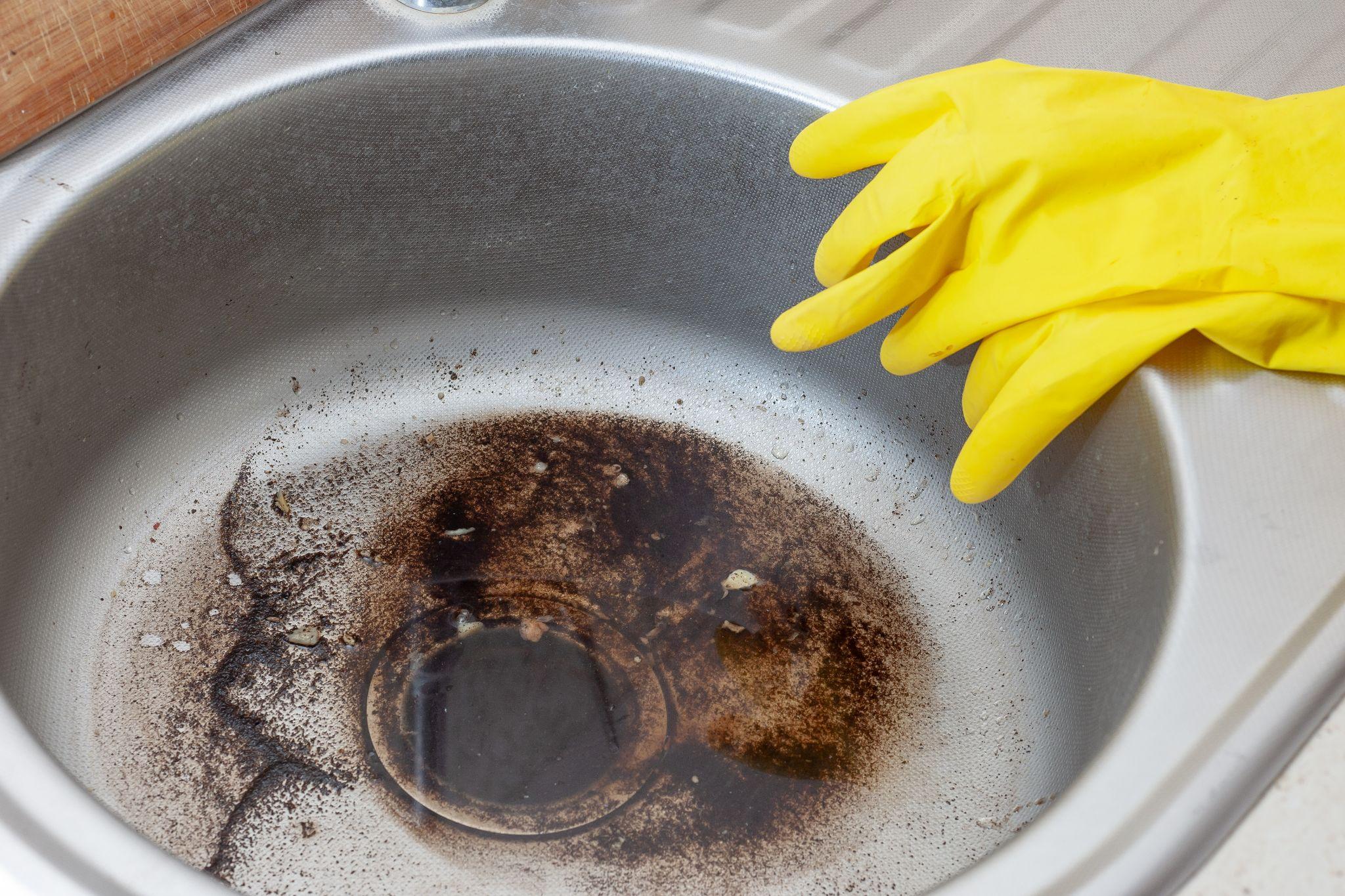
A sewer line backup almost never kicks off with a flood on your bathroom floor. It creeps in quietly instead: a slow drain here, a faint odor there, a gurgle you barely register. These early signs of sewer backup tend to show up 24 to 72 hours before the real trouble hits, and that gives you a short but genuinely useful window to do something about it.
The reason most homeowners miss these first signals is that they look so harmless. One sink draining slowly feels like a nuisance, not a red flag. Below, we walk through the five silent signs that a backed up sewer line is taking shape, why each one deserves your attention, and what to do before it turns into an emergency.
Quick Signs
· A sewer line backup usually shows quiet signs 24-72 hours before a full backup.
· Multiple slow drains at once point to the main line, not one fixture.
· Gurgling toilets and drains are often the earliest silent warning.
· Any sewage smell in the house signals a cracked, blocked, or vented main line.
· Acting fast lets a plumber clear the line before costly cleanup begins.
Why Early Warning Signs Matter
A main line backup is a lot more than an inconvenience. When raw sewage stalls in your pipes, it brings bacteria that pose a real health risk to your household. A 2022 University of Maryland pilot study found that 34 of 40 homes with recent sewage backups had at least one kind of harmful bacteria.
The problem is widespread, too. The nation’s 500,000-plus miles of sewer lines average over thirty years old, and backups are climbing about 3 percent each year. Spotting the quiet signs early is what keeps a small fix from ballooning into an expensive sewer backup cleanup.
That 24-72 hour window is where you actually have control. Learn to recognize the signs below and you can get a plumber out before the backup ever reaches your floors.
1. Multiple Drains Draining Slowly at Once
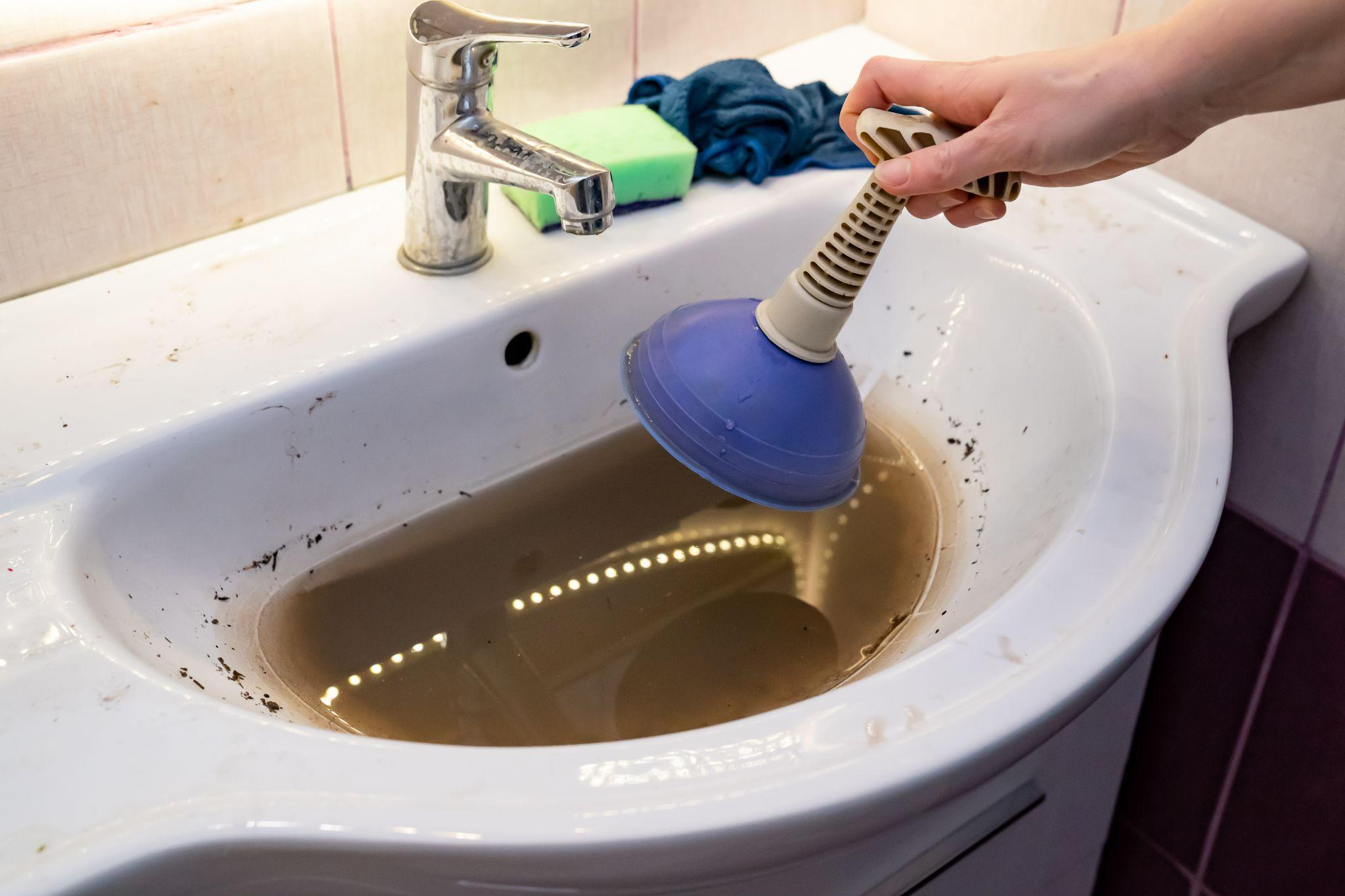
One slow drain usually just means a local clog in that fixture’s pipe. But when several drains slow down together, say the sink, the tub, and the toilet all at once, the blockage is sitting deeper in the main line that ties your whole home to the sewer.
Why it matters: A single slow drain is a five-minute plunger job. Multiple slow drains point to a shared obstruction that clearing one fixture won’t touch. This is the pattern our technicians see most often right before a full backup.
2. Gurgling Sounds From Toilets and Drains
A gurgling toilet or a bubbling drain is often the very first silent signal. When a blockage traps air in the line, that air escapes through the nearest fixture as a gurgle after you flush or run water.
Why it matters: Gurgling means water and air are fighting for space around a partial obstruction. It’s easy to tune out, but to a trained ear it says the main line is starting to restrict flow. Catch it here and you’ll usually avoid the mess altogether.
3. A Faint Sewage Odor Indoors or Outside
A healthy sewer system is sealed and completely odorless. So any whiff of a sewage smell in the house, near a floor drain, or out in the yard points to a crack, a blockage, or a venting problem in the main line.
Why it matters: That odor means gases are escaping where they should be contained. Those gases carry the same bacteria that make a backup hazardous, and the smell rarely clears up on its own. It’s a direct sign the main line has lost its seal.
4. Water Backing Up in Unexpected Fixtures
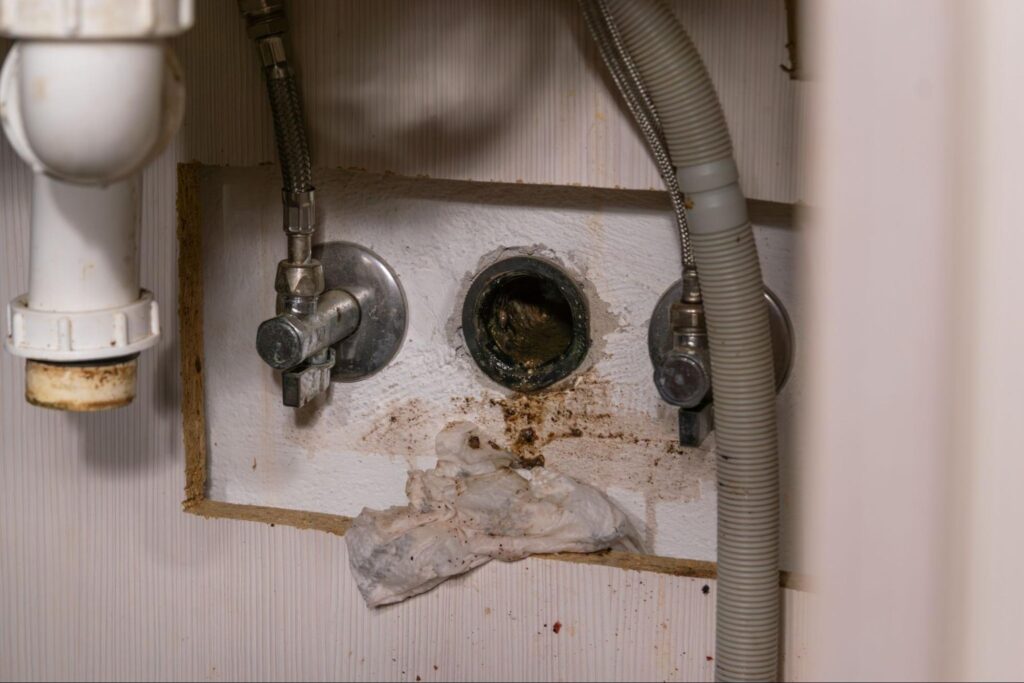
This is cross-fixture backup, and it’s one of the clearest signs of sewer backup there is. You flush the toilet and water rises in the tub. You run the washing machine and it drains up into a sink. Water is hunting for the path of least resistance because the main line below is blocked.
Why it matters: When water swells around drains where it doesn’t belong, the blockage is severe and close to full. Homes at this stage often see a complete backup within that 24-72 hour window. Stop running water and call a plumber right away.
5. Lush Patches or Wet Spots in the Yard
Take a walk outside along the path of your sewer line. Extra-green grass, soggy soil, or a patch that stays wet during dry weather often means the pipe underground is leaking and feeding the dirt around it.
Why it matters: This usually points to tree roots in the sewer line or a cracked pipe. Roots chase moisture and nutrients, work their way into small cracks, and keep expanding until they choke off the flow. What begins as a lush patch can end as a full sewer line repair.
What Causes a Main Sewer Line to Back Up
A handful of culprits are behind most backups, and it’s common for more than one to be at play:
| Cause | What Happens |
| Tree roots | Roots invade joints and cracks, then expand and block flow |
| Aging pipes | Lines over 30 years old crack, corrode, or collapse |
| Grease and debris | Fats and solids harden into stubborn clogs |
| Storm surges | Heavy rain overwhelms and reverses the main line |
| Municipal issues | Problems in the city line push waste back toward your home |
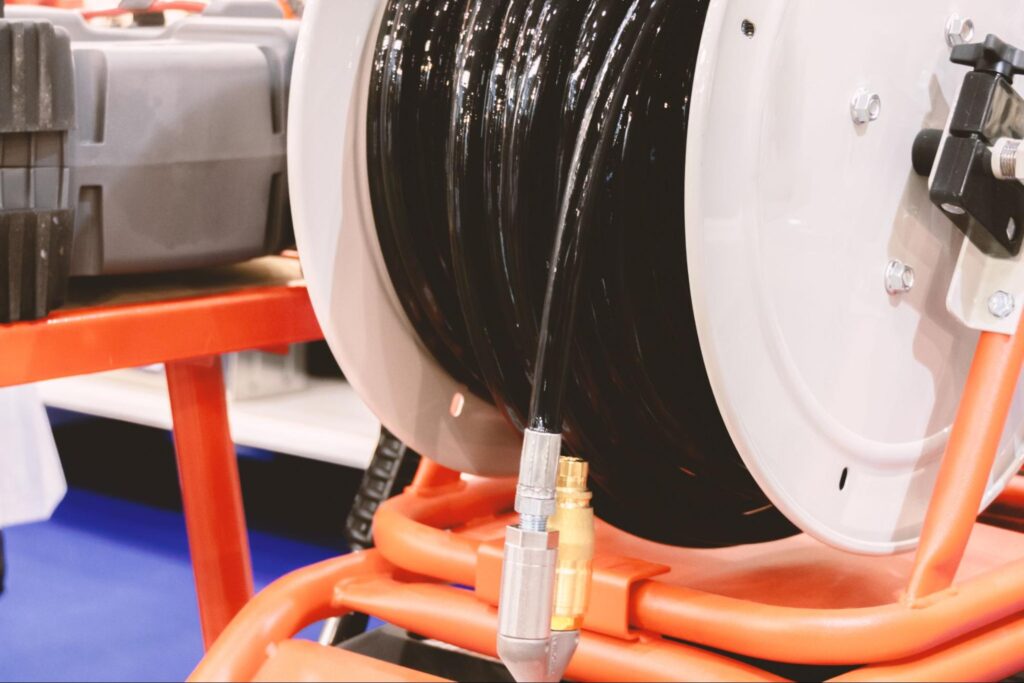
Older clay and cast-iron pipes are especially vulnerable, which is why we keep an eye out for signs of aging pipes during every inspection. A camera inspection sends a waterproof video probe down the line to pinpoint the exact cause and location, so the repair targets the real problem instead of guessing at it.
What to Do If You Spot These Signs
Move fast, but stay safe. Here’s what to do the moment you notice a warning sign:
· Stop using water. Every flush and load of laundry piles more pressure onto a struggling line.
· Skip chemical drain cleaners. They rarely clear a main line clog, and they can damage pipes and harm the technician who opens the line later.
· Call a licensed plumber for a camera inspection. A pro can confirm whether the clog is in your line or the city’s.
If water is already backing up, don’t wait, call an emergency plumber before the 24-72 hour window closes. Homeowners buying or selling can also use a plumbing inspection checklist to catch line problems ahead of time. And for properties on private systems, scheduled septic system service heads off many of these backups before they ever start.
Schedule a Professional Sewer Line Inspection with Kurt Bohmer Plumbing Before a Small Warning Sign Becomes a Full Backup
For more than 35 years, our licensed technicians have used modern camera equipment and code-compliant methods to diagnose and clear main lines across the Santa Clarita Valley and Lancaster. If you’ve noticed even one of these silent signs, don’t wait for the mess. Call (661) 251-5915 or Contact Kurt Bohmer Plumbing today to schedule a professional sewer line inspection and stop a small warning from becoming a full backup.
Frequently Asked Questions
How do I know if the clog is in my main sewer line or just one drain?
If only one fixture drains slowly, the clog is usually local to that pipe. When multiple drains slow down together, or flushing the toilet backs water up into a tub or sink, the blockage sits in the main line. A camera inspection confirms the exact location.
How long after warning signs appear before a sewer line fully backs up?
In our experience, homes showing these silent signs often see a full backup within 24 to 72 hours. The timeline depends on the cause and how much water you keep running. Acting inside that window usually means a straightforward clearing instead of a cleanup.
Is a sewer line backup a health hazard to my family?
Yes. Raw sewage carries bacteria that can cause illness, and a University of Maryland study found harmful bacteria in the majority of homes with recent backups. Avoid contact with any backed up water and keep children and pets away until a professional handles it.
Can I fix a main sewer line backup myself or do I need a plumber?
A main line backup needs a licensed plumber. Chemical cleaners and store-bought tools rarely reach a deep clog and can worsen the damage or expose you to sewage. A professional uses a camera and proper equipment to clear the line safely and correctly.
How much does it cost to inspect and clear a backed-up sewer line?
The cost to fix a sewer line varies with the cause and severity. A camera inspection and basic clearing is far less than a full sewer line repair or excavation, which is why early action saves money. Many homeowners also carry sewer backup insurance, so check your policy before work begins, and ask for a written estimate.
Sources
1. University of Maryland. Study Finds Dangerous Bacteria in Homes Plagued by Sewage Backups.
2. Insurance Information Institute. Protect your house from sewer backups.
Traditional Tank Water Heaters vs. Tankless Water Heaters: Which Is Right for Your Home?
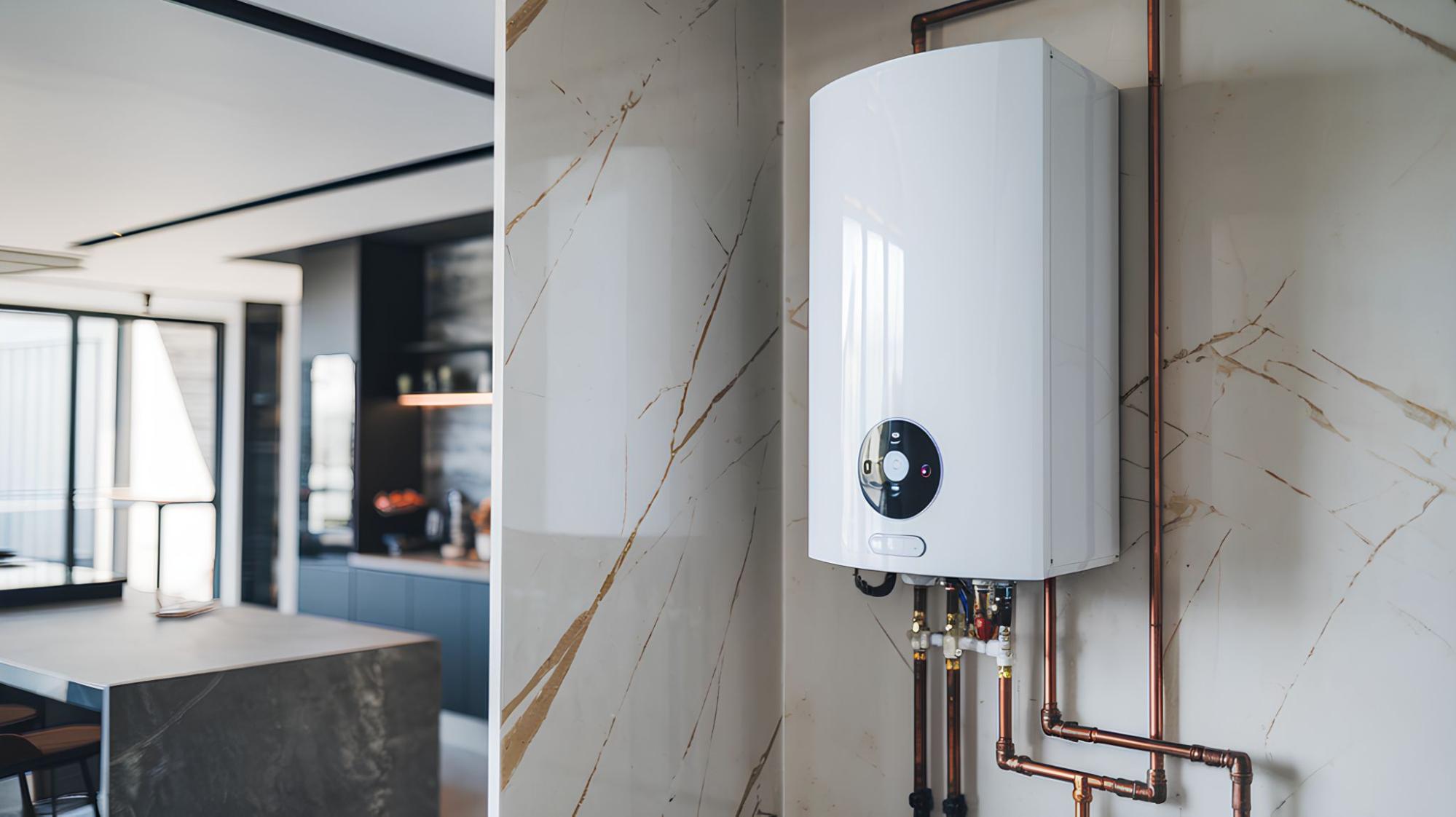
Choosing between a traditional tank water heater and a modern tankless model is one of the most critical decisions a homeowner will make when upgrading their plumbing. Hot water accounts for roughly 18% of the average home’s energy consumption, making your choice of water heater directly tied to your monthly utility bills, comfort, and home efficiency.
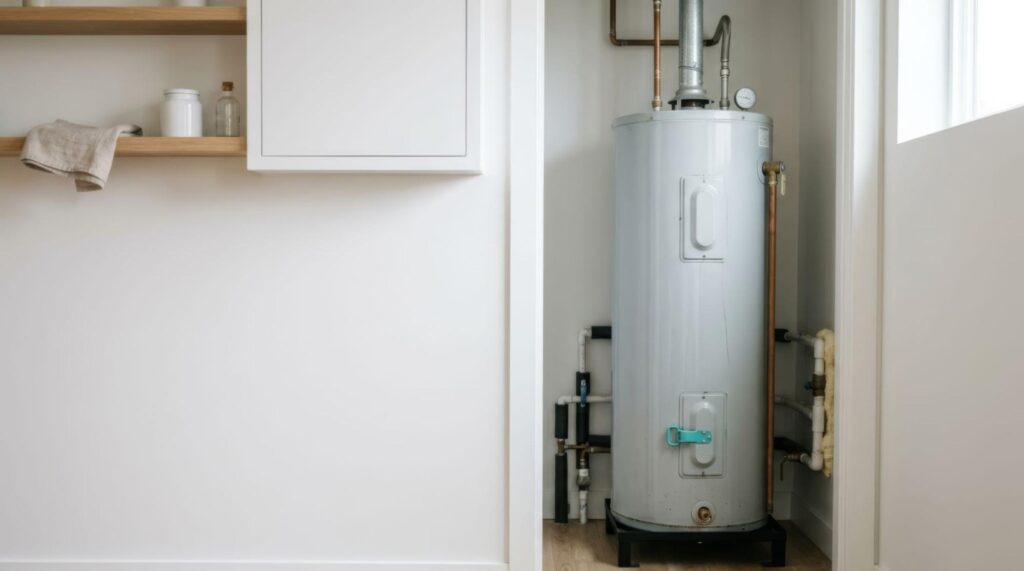
How They Work
Traditional Tank Water Heaters
Traditional water heaters store and continuously heat a reservoir of water—typically 30 to 80 gallons—in an insulated tank. The system uses natural gas, propane, or electricity to keep that water heated to a set temperature 24 hours a day, 7 days a week. When you turn on a hot water tap, pre-heated water is drawn from the top of the tank while cold water flows into the bottom to replace it and begin heating again.
Tankless Water Heaters
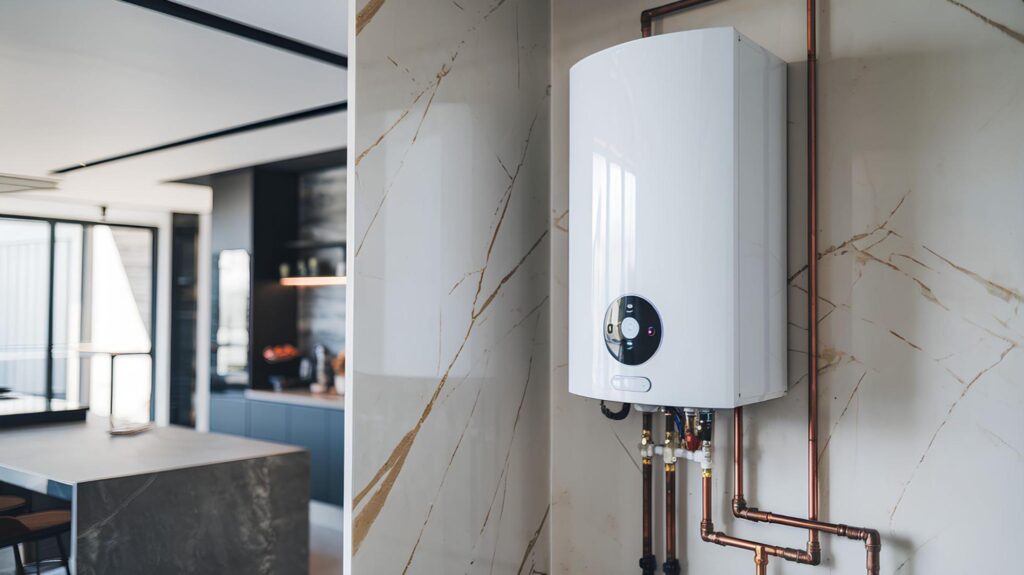
Tankless water heaters, often referred to as “on-demand” water heaters, do not store hot water. Instead, cold water passes through a compact unit fitted with high-powered gas burners or electric heating coils. The unit heats the water instantly as it flows through the heat exchanger, supplying continuous hot water only when you open a tap.
Key Differences at a Glance
| Feature | Traditional Tank Water Heater | Tankless Water Heater |
| Upfront Cost | Lower ($1,200 – $2,500 installed) | Higher ($2,500 – $4,500+ installed) |
| Energy Efficiency | Lower (suffers from standby energy loss) | Higher (24%–34% more energy efficient) |
| Expected Lifespan | 8 – 12 years | 20+ years |
| Hot Water Supply | Limited to tank capacity (e.g., 50 gallons) | Continuous, endless supply |
| Physical Footprint | Large footprint (takes up closet/garage space) | Compact, space-saving wall mount |
| Maintenance | Annual flushing of sediment buildup | Annual descaling/flushing |
Comparing the Core Factors
1. Energy Efficiency and Monthly Utility Bills
The primary operational difference between the two systems comes down to standby heat loss. Traditional tanks continuously consume fuel or electricity to keep 40 to 60 gallons of water piping hot around the clock—even when everyone in the home is sleeping, at work, or away on vacation.
Tankless systems eliminate standby heat loss entirely. Because they only heat water when a faucet is open, homeowners can save anywhere from 24% to 34% on hot water energy usage compared to standard storage units. Over the lifetime of the unit, these lower monthly utility costs help offset the initial purchase price.
2. Lifespan and Long-Term Value
A standard storage tank unit typically lasts between 8 and 12 years. Over time, naturally occurring mineral sediment settles at the bottom of the tank, accelerating internal corrosion, reducing efficiency, and eventually causing structural leaks.
By contrast, tankless units are engineered for longevity, routinely lasting 20 years or more with proper annual maintenance. Because individual components inside a tankless system are replaceable, a failing part rarely requires replacing the entire system—unlike a cracked traditional water heater tank.
3. Space Savings and Home Layout
For homes where garage or closet space is at a premium, tankless water heaters offer a massive spatial advantage. Traditional tanks stand 5 to 6 feet tall and take up 9 to 12 square feet of floor space. A tankless unit is roughly the size of a small suitcase and mounts neatly to an interior or exterior wall, freeing up valuable floor space for storage or living areas.
4. Hot Water Performance and Demand
- Endless Supply: If your household routinely runs out of hot water after back-to-back showers, a tankless unit eliminates this issue by heating water continuously as long as the tap is open.
- Flow Rate Constraints: While tankless water heaters deliver endless hot water, they have a maximum flow rate (measured in gallons per minute, or GPM). Running a dishwasher, washing machine, and two showers at the same time can strain a single tankless unit’s flow capacity. Traditional tanks deliver high flow rates across multiple fixtures simultaneously until the stored hot water runs out.
5. Upfront Installation Requirements
Replacing an existing traditional tank with a similar model is straightforward and budget-friendly. Upgrading from a tank to a tankless system involves a higher initial investment. Tankless units often require larger gas lines, specialized stainless steel or PVC venting, or upgraded electrical service to handle the rapid power demands of on-demand heating.
You want a lower initial installation cost.Your home’s existing plumbing and gas connections are already setup for a standard tank.You plan to sell or move from your home within the next 3 to 5 years.Your household rarely exhausts its hot water supply during peak usage hours. You want lower monthly utility bills and higher energy efficiency.You plan on remaining in your home long-term (10+ years) to maximize return on investment.You have a large family or frequently experience cold shower surprises.You want to reclaim floor space in your garage, basement, or closet.Which Water Heater Is Right for Your Home?Choose a Traditional Tank Water Heater if:
5 Warning Signs Your Cast-Iron Pipes Are Failing
Cast-iron piping was the gold standard for residential plumbing for decades, prized for its strength, durability, and sound-dampening qualities. If your home was built before the mid-1970s, there is a strong chance you have cast-iron drain, waste, and vent pipes running behind your walls or buried beneath your concrete slab foundation.
While cast-iron pipes were built to last, they do not last forever. Most cast-iron plumbing systems have an expected lifespan of 50 to 70 years. As these aging systems reach the end of their useful life, internal corrosion and structural failure become inevitable. Catching the early warning signs can save you from catastrophic water damage, hazardous sewage backups, and costly structural repairs.
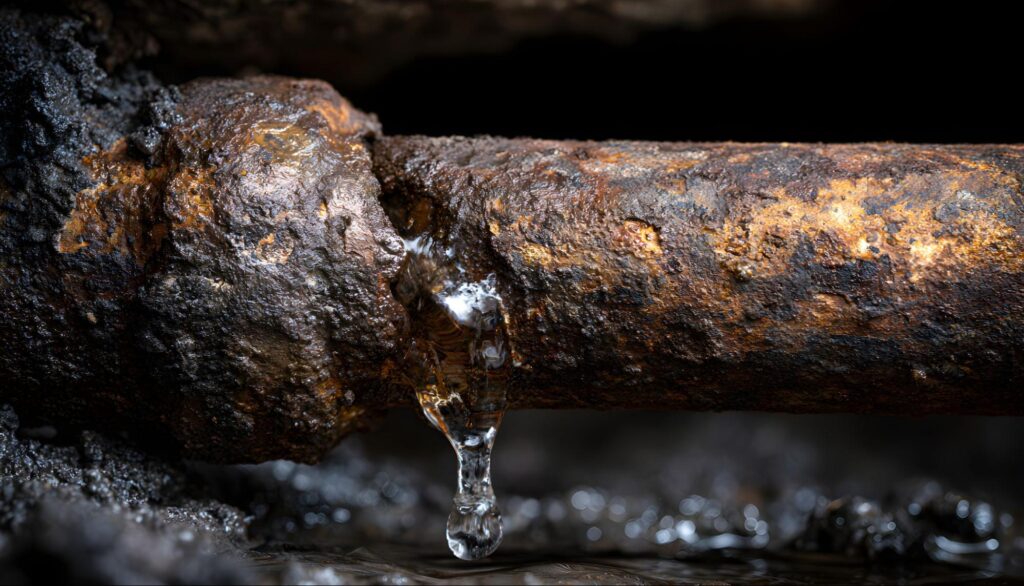
Because cast-iron pipes deteriorate from the inside out, severe corrosion can occur long before you see physical damage on the exterior of a pipe. Look out for these telltale signs:
1. Frequent Drain Clogs and Slow Draining
As cast-iron pipes age, the interior walls oxidise, leading to a process known as “scaling.” Rust and mineral deposits build up inside the pipe, creating a rough, uneven surface. This debris snags hair, grease, toilet paper, and soap scum, causing frequent clogs. If snaking or hydro-jetting only provides temporary relief before the drains slow down again, internal pipe scaling is likely the culprit.
2. Discolored Water or Foul Odors
Rust formation inside iron water lines or waste lines can release oxidized particles into your water supply, resulting in brownish, yellowish, or murky tap water. Additionally, cracks or pinhole leaks in degrading drain lines break the airtight seal required to keep sewer gases contained. If you notice a persistent sewer smell around your drains, yard, or foundation, sewer gases are escaping through compromised pipes.
3. Mysterious Water Leaks and Slab Leaks
As cast-iron pipes wear thin, pinhole leaks form along the bottom of the line (where water collects continuously). If your pipes run under a concrete slab foundation, a failing cast-iron pipe can cause a slab leak. Keep an eye out for damp spots on carpets, cracking floor tiles, warm areas on your slab, or unexplained spikes in your monthly water bill.
4. Cracks, Mold, and Structural Water Damage
Unexplained water stains on walls or ceilings, peeling paint, and warped flooring often point to hidden pipe leaks inside wall cavities. Furthermore, constant moisture created by slow cast-iron leaks provides the ideal breeding ground for toxic mold and mildew growth.
5. Pest Infestations and Soggy Lawn Patches
Even a hair-line fracture in an underground cast-iron main sewer line allows wastewater—and sewer odor—to escape into the surrounding soil. This moisture attracts burrowing pests like rats, cockroaches, and drain flies. You might also notice localized patches of lush, unusually green grass or soggy, sunken spots in your yard directly above the main sewer line.
Why Repairing Isn’t Always Enough: The Case for Repiping
When dealing with isolated issues in modern materials like PEX or copper, a quick localized repair is usually sufficient. However, cast-iron plumbing behaves differently. Because cast iron corrodes across the entire length of the system simultaneously, fixing a single leak or clearing one section of pipe simply shifts water pressure to the next weakest point.
Patching aging cast iron often leads to an ongoing cycle of costly emergency service calls. Whole-home or targeted partial repiping replaces deteriorating cast-iron lines with modern, corrosion-resistant materials like PVC, ABS, or PEX, giving you long-term reliability and peace of mind.
How Professional Plumbers Evaluate Cast-Iron Pipes
If you suspect your home’s cast-iron pipes are reaching the end of their life, a professional inspection is the safest first step.
- Video Sewer Camera Inspection: A high-definition camera is routed through your drain lines to examine the interior walls, pinpoint heavy scaling, detect cracks, and identify tree root intrusion.
- Leak Detection: Advanced electronic leak detection pinpoints hidden leaks beneath slabs or inside walls without unnecessary destruction to your property.
- Trenchless Repair Options: In many cases, main sewer line issues can be addressed using trenchless repair techniques, replacing or relining pipes with minimal disruption to your lawn, driveway, or landscaping.
Protect Your Home with Kurt Bohmer Plumbing
Don’t wait for an unexpected plumbing emergency or severe water damage to take action. If your home is over 40 years old and showing signs of failing cast-iron pipes, trust the experienced team at Kurt Bohmer Plumbing. Serving communities across Santa Clarita, the Antelope Valley, San Fernando Valley, and Ventura County for decades, our licensed technicians specialize in leak detection, drain services, and full repiping solutions.
Contact Kurt Bohmer Plumbing today at (661) 251-5915 to schedule a camera inspection and protect your home’s plumbing system for years to come.