How to Stop a Pipe Leak Before the Plumber Arrives
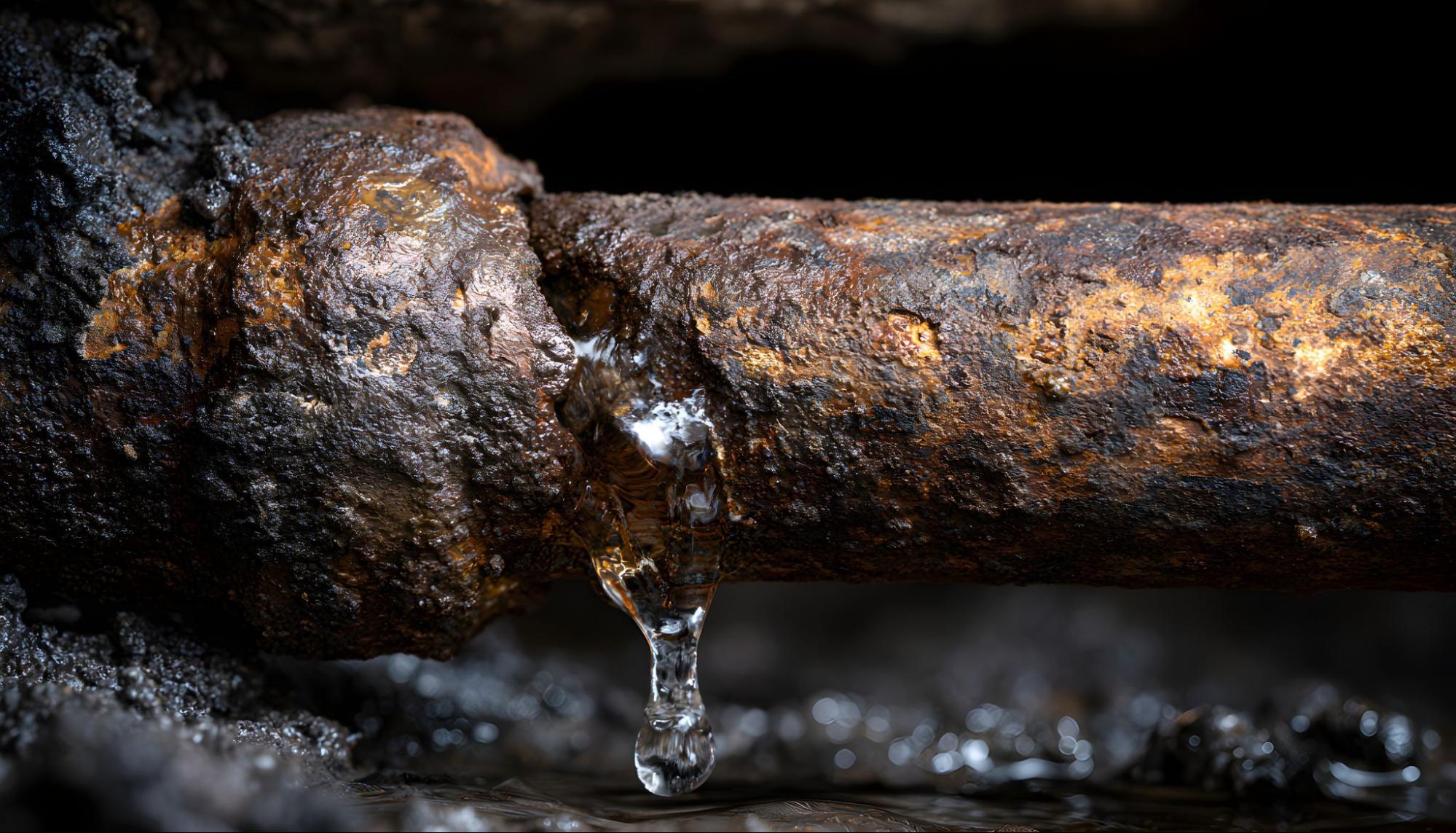
If you want to know how to stop a leaking pipe, it all comes down to one first move: shut off the water. Close the nearest fixture valve, or the main water shut off valve, then put a temporary patch over the leak to slow things down while you wait for a licensed plumber.
Here’s the thing about water damage. It moves in minutes, not hours. But a calm, step-by-step response (shut off, patch, protect, and call) really can save you thousands. This guide from Kurt Bohmer Plumbing walks you through exactly what to do right now.
Quick Answers
· Shut off the nearest valve or the main water shut off valve immediately to stop the leak.
· Turn the main valve clockwise to close it, usually near the water meter.
· Cut power at the breaker if water is near outlets or appliances.
· Temporary fixes like plumbers tape for leaks and epoxy putty only buy time.
· Call a licensed plumber fast at (661) 251-5915, since mold can grow within 24 to 48 hours.
Why Every Minute Counts With a Leaking Pipe
A pipe leak isn’t a wait-and-see problem. A half-inch supply line can release 4 to 8 gallons of water per minute, which means it can flood a room before you finish reading this page.
And the costs pile up fast. The average burst-pipe water damage insurance claim runs close to $13,954, plus mold can start growing within 24 to 48 hours once moisture sets in.
Even the small leaks waste more than most people realize. According to the U.S. EPA, the average household’s leaks account for more than 9,300 gallons of water wasted every year. Those first few minutes are what separate a quick plumbing repair from a full renovation.
Step 1: Shut Off the Water Supply
Your first job is to shut off water to the leak. Most fixtures, like toilets and sinks, have a small oval or round shut-off valve on the wall or under the basin. Turn it clockwise until it stops.
If the leak is in a main line, or you just can’t find a fixture valve, head straight for the water main shut off valve. Turning off the main stops all water to the house. This emergency water shut off is your fastest way to end a serious leak.
Where to Find Your Main Shut-Off Valve
The main water shut off valve is usually in the basement, a crawl space, a utility closet, or outside near the foundation or water meter. Homes in warmer climates often have it outdoors along an exterior wall.
Do yourself a favor and learn your water shut off valve location before an emergency ever happens. Turn the valve or lever clockwise to close it. Knowing this one spot can spare you the panic of hunting around while water floods the floor.
Step 2: Cut the Power if Water Is Near Outlets
Water and electricity are a dangerous mix. If water is spraying or pooling near outlets, appliances, or your electrical panel, shut off power at the breaker before you touch anything.
Never stand in standing water to reach an outlet or switch. And if the breaker panel itself is wet, or you can’t reach it safely, stay clear and call an electrician or your utility. When in doubt, protect yourself first and let the pros handle the hazard.
Step 3: Apply a Temporary Fix to Slow the Leak
Once the water is off, a temporary pipe fix can slow any remaining drip and keep pressure from reopening the leak. Just remember these are stopgaps. They buy you time until a licensed technician can make a permanent plumbing repair.
Grab your supplies first so you’re not scrambling mid-repair.
What you’ll need:
· Plumbers tape for leaks or self-fusing silicone tape
· Two-part epoxy putty
· A pipe repair clamp or hose clamp with a rubber patch
· Towels, rags, and a bucket
· A clean, dry cloth to prep the pipe surface
Temporary Pipe Fix Options
| Material | Best For | How Long It Holds |
| Pipe repair tape (self-fusing silicone) | Small cracks and pinhole leaks | A few days to a week |
| Rubber patch + pipe clamp | Larger cracks and split seams | 1 to 2 weeks |
| Epoxy putty | Joints, fittings, and small holes | Several days to a few weeks |
| Towels + bucket | Slow drips while you wait | Immediate, needs monitoring |
Dry the pipe before applying any tape or putty, because moisture weakens the bond. And treat every one of these as temporary, then schedule a real repair right away.
Step 4: Drain the Remaining Water
After the water is off, open the lowest cold-water faucet in the house along with any outdoor spigots. This relieves pressure and drains the water still sitting in the pipes.
Draining the affected section cuts down on residual leaking, so your temporary patch holds better. It also keeps trapped water from dripping behind walls while you wait for the plumber.
Step 5: Protect Your Home and Limit Water Damage
Now it’s time for damage control. Move furniture, rugs, electronics, and valuables away from the wet area, and lift anything you can off the floor.
Soak up standing water with towels and run fans or a dehumidifier to dry the space. Clean water can turn into unsanitary grey or black water within about 48 hours, so speed matters here.
One more thing: photograph everything before you clean up. Clear photos and a short video help your insurance claim and give your plumber a record of the damage.
When to Stop DIY and Call a Licensed Plumber
Some leaks are beyond any patch. Call a pro right away if you see multiple leaks, corroded or repeatedly failing pipes, water inside walls or ceilings, or you smell sewage.
Widespread corrosion or recurring bursts can be one of the signs your house needs repiping, something a routine plumbing inspection checklist can catch early. If you smell gas along with a leak, treat that as a separate emergency and contact gas leak repair professionals immediately.
Deciding between calling an emergency plumber vs waiting until morning usually comes down to how fast the water damage is escalating. Kurt Bohmer Plumbing’s licensed emergency technicians use modern leak detection tools to find the source fast and make lasting repairs, not just patches.
Call Kurt Bohmer Plumbing’s Emergency Line for Fast, Licensed Leak Repair Before Minor Damage Becomes a Costly Disaster
You’ve slowed the leak, so now let the pros finish the job. Kurt Bohmer Plumbing delivers dependable emergency plumbing backed by 35+ years of service and fully licensed technicians. Call our emergency line now (661) 251-5915 for fast leak detection and repair before a small pipe leak turns into a costly disaster.
Frequently Asked Questions
What is the fastest way to stop a pipe leak temporarily?
The fastest way to stop a leaking pipe is to close the nearest shut-off valve, or the main water shut off valve if the leak is severe. Once the water is off, dry the pipe and wrap the leak with plumbers tape for leaks or apply epoxy putty. These are temporary measures until a licensed plumber arrives.
How do I turn off the main water supply in my house?
To turn off the water main, locate the main water shut off valve, usually near the water meter, in the basement, a crawl space, or outside along the foundation. Turn the valve or lever clockwise until it stops. This is your emergency water shut off and cuts water to the entire home.
Can I use plumber’s tape or epoxy putty to fix a leaking pipe myself?
Yes, both work as short-term fixes. Plumbers tape for leaks wraps around small cracks and pinholes, while epoxy putty seals joints and small holes. Dry the pipe first for a stronger bond. Both are temporary, so schedule a professional plumbing repair as soon as possible.
How much water damage can a burst pipe cause before the plumber arrives?
A half-inch line can release 4 to 8 gallons per minute, so a burst pipe can flood a room in minutes. The average burst-pipe water damage claim runs near $13,954, and mold can start within 24 to 48 hours. Shutting off water fast dramatically reduces the damage.
How long does a temporary pipe leak fix actually last?
It depends on the material and the leak. Pipe repair tape may hold for a few days to a week, a clamp with a rubber patch for one to two weeks, and epoxy putty for several days to a few weeks. None of these replace a permanent repair by a licensed plumber.
Sources
1. U.S. Environmental Protection Agency. Fix a Leak Week | US EPA WaterSense.