Emergency Plumber vs. Waiting Until Morning: A Guide

If water is actively flooding your home, sewage is backing up, or you smell gas, call an emergency plumber right now. If you have a slow drip or a single clogged sink, you can safely wait until morning and save on after-hours rates.
Picture it: 11 p.m., water creeping across your bathroom floor, and there you are staring at your phone, wondering whether this really justifies a midnight call. That panic? Totally normal. We’ve spent 35+ years in Santa Clarita homes, and our licensed technicians rely on one simple test to separate a genuine crisis from a repair that can wait a few hours.

Key Takeaways
- Call an emergency plumber if water is flooding, sewage is present, or gas is detected.
- A slow drip or single clogged drain can usually wait until morning safely.
- Shut off your main water shut off valve first to stop active damage.
- Water damage restoration averages thousands of dollars, so fast action often saves money.
- Kurt Bohmer Plumbing offers 24 hour emergency service. Call us at (661) 251-5915.
What Actually Counts as a Plumbing Emergency?
The difference between a plumbing emergency and a regular repair really boils down to one word: risk. If a problem puts your health, your safety, or your property at serious risk by the hour, it’s an emergency.
So when you’re asking yourself “is this a plumbing emergency,” think about the consequences. A dripping faucet wastes a little water. A burst pipe, on the other hand, can pour gallons into your walls in minutes, warping floors and setting the stage for mold.
Water damage adds up fast, too. The average home water damage insurance claim runs around $12,000, and most of those claims trace back to sudden plumbing failures.
The 3-Question Emergency Test
Ask yourself these three questions. A “yes” to any means call now.
1. Is water actively flooding or spreading? Uncontrolled water needs immediate shutoff and a plumber.
2. Is there sewage or a gas smell? Both are health and safety hazards. Do not wait.
3. Is the home unusable? A no water emergency or no hot water in freezing weather counts.
If all three come back “no,” you’ve probably got some time. Let’s look at the clear-cut cases on each side.
Problems That Can’t Wait: Call an Emergency Plumber Now
These situations put your family and your home at real risk. Get an emergency plumbing service out there right away.
- pipe emergency: Water floods fast. Shut off the main valve and call a 24 hour emergency plumber for burst pipe repair.
- Sewage backup emergency: Raw sewage carries bacteria. Keep everyone away and get professional sewer repair right away.
- No water emergency plumber situation: A complete loss of water may signal a main line break or a serious leak.
- Gas smell: Leave the home and call a gas leak plumber. Our gas leak repair professionals handle these safely.
- Overflowing toilet emergency with no other working bathroom: An overflowing or backing-up toilet that leaves you without a usable bathroom needs urgent attention.
- Leaking water heater dumping water: A water heater leak emergency can flood a garage or closet quickly and needs same-day water heater repair.
Any of these signs of a plumbing emergency justify an after hours plumber. Now for the calmer side of things.
Problems That Can Usually Wait Until Morning
Not every issue needs a midnight visit. These can be contained safely overnight, which saves you those emergency rates.
- A slow, steady faucet drip
- A single slow drain in a non-critical fixture
- One clogged drain in a sink you can avoid using
- Low water pressure in one area
- A running toilet you can quiet by shutting its supply valve
Slide a bucket under the drip, shut off the fixture’s local valve, and book a same day plumber first thing in the morning. Knowing when to call a plumber saves both money and stress.
Emergency vs. Regular Repair: Quick Comparison
| Issue | Emergency? | Why | Immediate Action |
| Burst pipe | Yes | Rapid flooding, structural damage | Shut off main valve, call now |
| Sewage backup | Yes | Health hazard | Evacuate area, call now |
| No water in whole home | Yes | Home unusable, possible main break | Call for leak detection |
| Gas odor | Yes | Explosion and health risk | Leave home, call gas leak plumber |
| Frozen pipe | Often | May burst when thawing | Call for frozen pipe repair |
| Sump pump failure during storm | Yes | Basement flooding risk | Call now |
| Slow single drain | No | Contained, low risk | Schedule drain cleaning next day |
| Dripping faucet | No | Minor water loss | Bucket, schedule repair |
| Running toilet | No | Contained | Shut supply valve, wait |
If your issue lands in the “Yes” column, here’s what to do while help is on the way.
What to Do Before the Plumber Arrives
Staying calm and acting quickly keeps the damage down. Run through these steps before our technician reaches your door.
- Find and shut off your main water shut off valve. It’s usually near the street meter or where the line enters your home. This one move stops most flooding.
- Turn off the water heater. Cut the power or gas so a leaking water heater doesn’t overheat while sitting empty.
- Turn off the gas at the meter if you smell gas, then leave the home and call from outside.
- Clear the area of furniture, rugs, and electronics.
- Take photos of the damage for your insurance claim before you start cleaning up.
These steps protect your home whether you’re dealing with a flooded bathroom or a slow leak. Now for the question every homeowner asks.
How Much Does an Emergency Plumber Cost?
So how much does an emergency plumber cost? After-hours rates usually run higher than daytime pricing, simply because of the night, weekend, and holiday dispatch.
Nationally, daytime plumbing repair often lands between $175 and $500, while emergency service can range from roughly $300 to $900 or more, depending on the job and how late it is. The exact numbers vary quite a bit, so always confirm pricing when you call.
Here’s the honest math, though. Waiting on a burst pipe just to dodge an after hours fee can cost you thousands in flooring, drywall, and mold remediation. Fast pipe repair almost always beats a big restoration bill.
Routine maintenance and timely fixes, like catching signs your house needs plumbing repiping early, also help you sidestep emergencies in the first place.
Need a 24 Hour Plumber Near You?
When you’re searching “24 hour plumber near me” or “urgent plumber near me” at 2 a.m., you want a dependable local answer. Kurt Bohmer Plumbing has served Santa Clarita and surrounding homes for 35+ years with licensed technicians and modern equipment.
We handle every kind of emergency plumbing service, from burst pipe repair and sewer repair to leak detection, drain cleaning, and water heater repair. Our team also provides septic service, tankless water heater installation and repair, and full septic system service and treatment in full compliance with local code.
For an emergency plumber families trust, or a same day plumber homeowners can count on, we’re ready around the clock.
Call Kurt Bohmer Plumbing’s 24-hour Emergency Line for Fast, Licensed Help
Don’t let a leak turn into a flood. Call Kurt Bohmer Plumbing’s 24-hour emergency line now at (661) 251-5915 for fast, licensed help from a plumbing company that knows Santa Clarita homes inside and out. One call connects you to experienced professionals ready to stop the damage tonight.
Frequently Asked Questions
Is a burst pipe always a plumbing emergency?
Yes. A burst pipe releases water rapidly and can flood a room in minutes, damaging floors, walls, and belongings. Shut off your main water valve immediately and call an emergency plumber for burst pipe repair before the damage spreads.
How do I shut off my water in a plumbing emergency?
Locate your main water shut off valve, usually near the street meter or where the water line enters your home. Turn it clockwise until it stops. This cuts water to the entire house and halts most flooding while you wait for help.
Is it cheaper to wait until morning to call a plumber?
For minor issues like a slow drain or dripping faucet, yes, waiting avoids after hours plumber cost. For flooding, sewage, or gas, waiting almost always costs more because water and structural damage escalate quickly.
How much does a 24 hour emergency plumber cost?
Emergency plumbing service cost commonly ranges from about $300 to $900 or more, depending on the problem and the time of night. Daytime residential plumbing repairs typically cost less. Always confirm exact pricing when you call.
What should I do if sewage is backing up into my home?
Keep everyone, especially children and pets, away from the affected area, since sewage carries harmful bacteria. Avoid running any water or flushing toilets. Call a professional for immediate sewer repair to clear the blockage and disinfect safely.
Sources
1. Insurance Information Institute. Facts + Statistics: Homeowners and Renters Insurance.
2. HomeAdvisor. How Much Does a Plumber Cost?.
The Plumbing Inspection Checklist for Buyers & Sellers
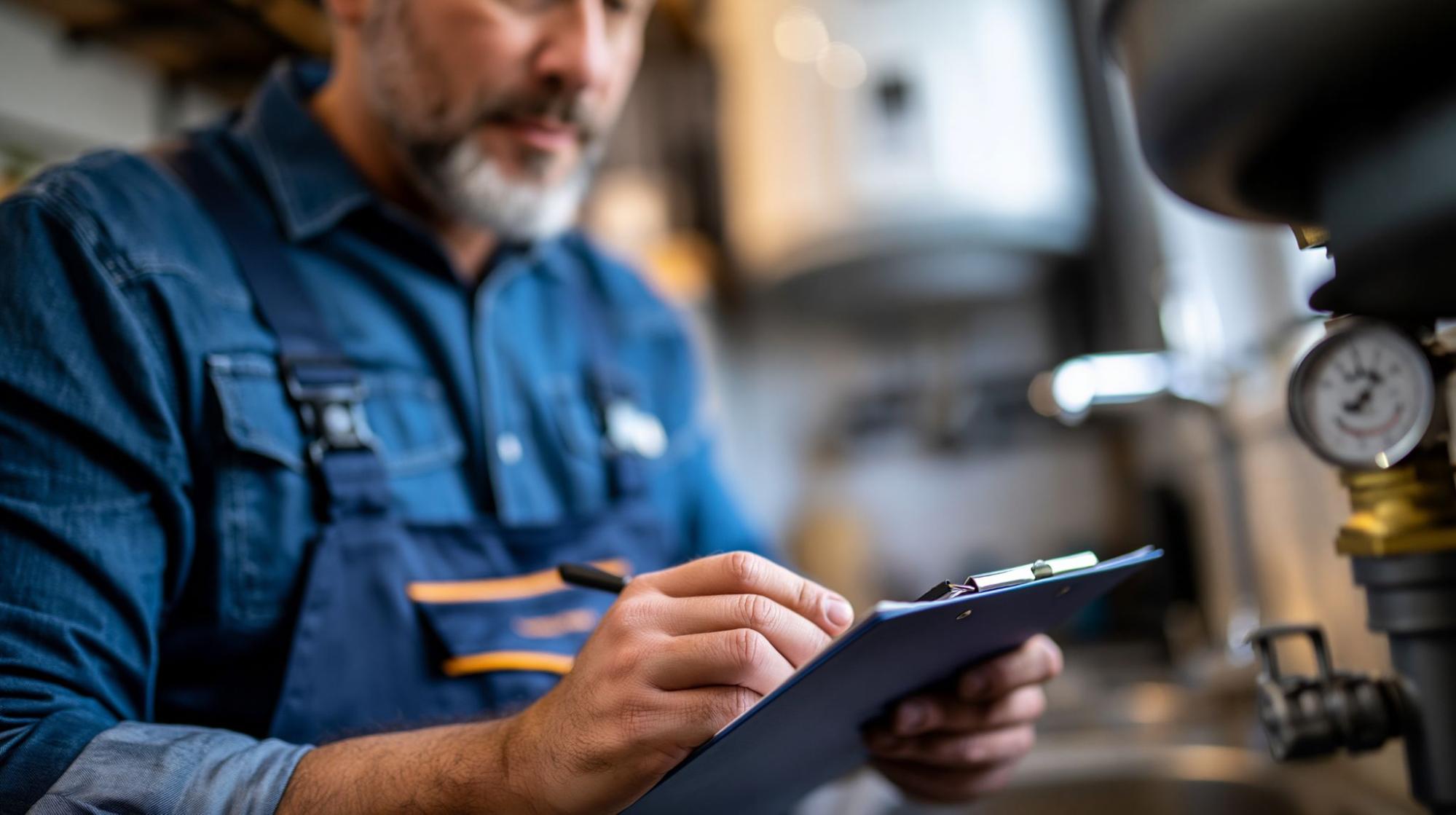
A plumbing inspection is a professional look at a home’s pipes, drains, fixtures, water heater, and sewer or septic system, done to catch problems before they cost you real money. If you’re buying or selling anywhere near Santa Clarita or in the Antelope Valley, this is the step that turns up the hidden issues capable of shrinking an offer, dragging out a closing, or blindsiding you with a five-figure bill.
Here’s the thing most people miss: they budget for a general home inspection and assume plumbing is covered. But plumbing failures almost never announce themselves. A corroded main, a cracked sewer line, a septic tank on its last legs—all of it stays buried until the day it becomes an emergency. This guide lays out a clear checklist for both buyers and sellers, built from what a licensed plumber actually sees on the job.
Key Takeaways
- A plumbing inspection finds hidden pipe, drain, sewer, and septic issues before closing.
- Sewer scope inspections cost far less than a surprise sewer line repair.
- Sellers who order a pre-sale plumbing inspection protect their asking price.
- Santa Clarita septic systems require permits and code-compliant inspections.
- Old galvanized and polybutylene pipes are major home inspection plumbing red flags.
What Is a Plumbing Inspection and Why It Matters in a Home Sale
A real estate plumbing inspection is a focused evaluation of a property’s water and waste systems, carried out by a licensed plumber. A general home inspection, by contrast, scans the whole house and only glances at the plumbing—which means it routinely misses what’s hiding inside walls, underground, or down the sewer line.
That blind spot is a big deal, because plumbing repairs rank among the priciest surprises in any deal. A single sewer line repair can run anywhere from $5,000 to $25,000, and a failed septic system can cost even more.
When problems like these turn up late in the process, they trigger renegotiations, repair credits, or a dead contract. A dedicated plumbing inspection puts accurate information in both parties’ hands before the money and the deadlines are on the table.
What Does a Plumbing Inspection Include?
A thorough plumbing inspection covers every system that moves water into or waste out of the home. Licensed technicians document the condition and remaining life of each component.
A standard plumbing inspection includes:
- Fixtures — faucets, toilets, showers, and tubs tested for leaks and function
- Supply lines — checking pipe material, corrosion, and signs of failure
- Drains — testing flow and looking for clogs that may need drain cleaning
- Water heater services review — age, capacity, corrosion, and safety valves
- Water pressure inspection — verifying pressure sits in the safe 40 to 80 psi range
- Shutoff valves — confirming main and fixture valves work
- Visible leaks and leak detection — under sinks, around the meter, and at connections
Those are the basics. But the two items that tend to blindside buyers are the ones sitting below ground.
Sewer Scope and Sewer Line Inspection
A sewer scope inspection sends a waterproof camera down the main sewer line and records exactly what shape it’s in. This sewer camera inspection turns up tree root intrusion, “bellies” where the line sags and traps waste, cracks, and stretches that have fully collapsed.
According to the InterNACHI home inspection standards, sewer lines are one of the most commonly overlooked—and costly—failure points in a property transfer. A sewer inspection before buying is quite possibly the smartest low-cost move a buyer can make.
Plenty of older Santa Clarita area homes have clay or cast-iron laterals that roots have been working their way into for decades. Catch that during a sewer scope inspection and you’ve turned a $15,000 emergency into a planned negotiation.
Septic System Inspection for Real Estate
Homes on septic rather than city sewer need a septic system inspection any time they change hands. A proper septic inspection for sale covers the pumping, tank condition, baffles, and the drain field where wastewater disperses into the soil.
Santa Clarita and the rest of Los Angeles County require permits and code-compliant work on septic systems, so this isn’t the place to guess. A septic inspection real estate report protects both parties and keeps lenders happy.
If the report turns up trouble, our septic system service and treatment team handles the pumping, repairs, and compliance. Skipping septic service before a sale is one of the fastest ways to lose a buyer.
The Home Buyer Plumbing Checklist
Buyers carry the most risk, because the moment you close, the problems belong to you. Run through this home buyer plumbing checklist while you’re under contract.
1. Request maintenance records — ask for receipts on any past plumbing repair, repiping, or water heater work.
2. Order a sewer scope before buying — never skip it, especially on any home older than 25 years.
3. Test the water pressure — weak flow can signal clogged or corroded supply lines.
4. Check the water heater age — most tanks last 8 to 12 years, so factor replacement into your offer.
5. Look for repiping needs — spot signs of aging pipe covered in our guide on signs your house needs plumbing repiping.
6. Add a plumbing inspection contingency — keep your right to renegotiate or walk away.
Buying a house with plumbing problems isn’t automatically a dealbreaker. It just means you get to negotiate from knowledge instead of hope.
The Pre-Sale Plumbing Checklist for Sellers
A pre-sale plumbing inspection is your best defense against eleventh-hour surprises. Know the condition of your systems before you list, and you control the narrative instead of scrambling to react to a buyer’s inspector.
For sellers, that inspection delivers three things:
- Protects your asking price — no last-minute repair credits eating your equity
- Speeds closing — fewer surprises mean fewer delays
- Simplifies disclosure — you report known conditions accurately and legally
Selling a house with plumbing issues you’ve already fixed beats explaining problems a buyer’s inspector digs up, every single time. Handle the small plumbing repair items early, and think about swapping out an aging tank for a modern unit before you list. Our guide on tankless water heater installation and maintenance explains the value that can add.
Get ahead of the plumbing before a home sale and you stay in the driver’s seat.
Home Inspection Plumbing Red Flags to Watch For
Certain warning signs point to something bigger going on underneath. These are the home inspection plumbing red flags our licensed technicians run into most.
- Slow drains across multiple fixtures, hinting at a main-line clog
- Discolored or rusty water, a sign of corroding pipes
- Low water pressure throughout the home
- Corroded or green-stained pipe connections
- Sewer odors indoors or in the yard
- Sloppy past DIY repairs using mismatched materials
- Old plumbing such as galvanized steel or polybutylene pipe
Galvanized and polybutylene are the top worries when you’re buying an older home. Polybutylene, common in houses built from the late 1970s through the mid-1990s, is prone to failing without warning and is often uninsurable. Spot any of these red flags and it’s worth a closer look before you sign anything.
Plumbing Inspection Cost: What to Expect
What you’ll pay for a plumbing inspection comes down to the type of inspection and the size and age of the home. Here’s what buyers and sellers typically spend, set against the repairs these inspections head off.
| Inspection Type | Typical Cost Range | What It Covers |
| Standard plumbing inspection | $150 – $500 | Fixtures, supply lines, drains, water heater, pressure, valves |
| Sewer scope inspection | $250 – $500 | Camera inspection of main sewer line for roots, bellies, breaks |
| Septic system inspection | $300 – $650 | Tank, baffles, drain field, pumping, permit compliance |
So how does a sewer scope cost stack up against the repair it might prevent? A $350 scope that catches a collapsed lateral spares you a $5,000 to $25,000 sewer line repair.
That’s exactly why a plumbing inspection is one of the highest-return moves in any real estate deal.
Trusted Plumbing Inspections in Santa Clarita
For a plumbing inspection Santa Clarita homeowners can count on, Kurt Bohmer Plumbing brings more than 35 years of licensed experience to every property. Our technicians use modern sewer camera inspection equipment, pull the proper permits, and follow every local septic and code requirement.
We handle the full range of plumbing services—drain cleaning, leak detection, sewer line repair, septic system service, water heater services, and more. We also inspect gas lines and offer professional gas leak repair when a home needs it.
Whether you’re listing your home or under contract to buy, our team hands you a clear, honest report you can act on with confidence.
Schedule a Professional Plumbing Inspection with Kurt Bohmer Plumbing Before You Buy or List Your Home
Don’t let a hidden pipe, sewer, or septic problem cost you thousands or sink your deal. Kurt Bohmer Plumbing delivers thorough, licensed plumbing inspections for buyers and sellers across the Santa Clarita Valley. Contact us today to schedule your pre-sale or buyer plumbing inspection and move forward with confidence.
Frequently Asked Questions
How much does a plumbing inspection cost when buying or selling a house?
A standard plumbing inspection usually runs $150 to $500, a sewer scope inspection $250 to $500, and a septic system inspection $300 to $650. The final price hinges on the home’s age, size, and system type. Since the repairs can hit five figures, the inspection cost is a small, smart investment.
What does a sewer scope inspection check for before buying a home?
A sewer scope inspection uses a waterproof camera to inspect the main sewer line for tree root intrusion, cracks, bellies where the pipe sags, and collapsed sections. It reveals problems a general home inspection simply can’t see. For any older home with clay or cast-iron lines, this sewer inspection before buying is essential.
Do I need a septic inspection when selling a house?
Yes. A septic inspection for sale confirms the tank, baffles, and drain field are working and compliant—something most buyers and lenders require. In Santa Clarita and Los Angeles County, septic work has to meet local permit and code standards. A clean septic inspection real estate report clears a major hurdle to closing.
What are the biggest plumbing red flags during a home inspection?
The biggest ones are slow drains across multiple fixtures, discolored water, low water pressure, corroded connections, and sewer odors. Old galvanized or polybutylene pipe is a serious concern because it can fail without warning. Sloppy DIY repairs are another red flag worth investigating.
How long does a real estate plumbing inspection take?
A standard plumbing inspection usually takes one to two hours, depending on the home’s size and number of fixtures. Adding a sewer scope inspection or septic system inspection tacks on roughly 30 to 60 minutes each. Your licensed technician will get you a documented report the same day or shortly after.
Sources
1. InterNACHI. Standards of Practice — Plumbing.
2. County of Los Angeles Public Health. Onsite Wastewater Treatment Systems (Septic Systems).
3. U.S. Consumer Product Safety Commission. Polybutylene Plumbing Information.