5 Warning Signs Your Cast-Iron Pipes Are Failing
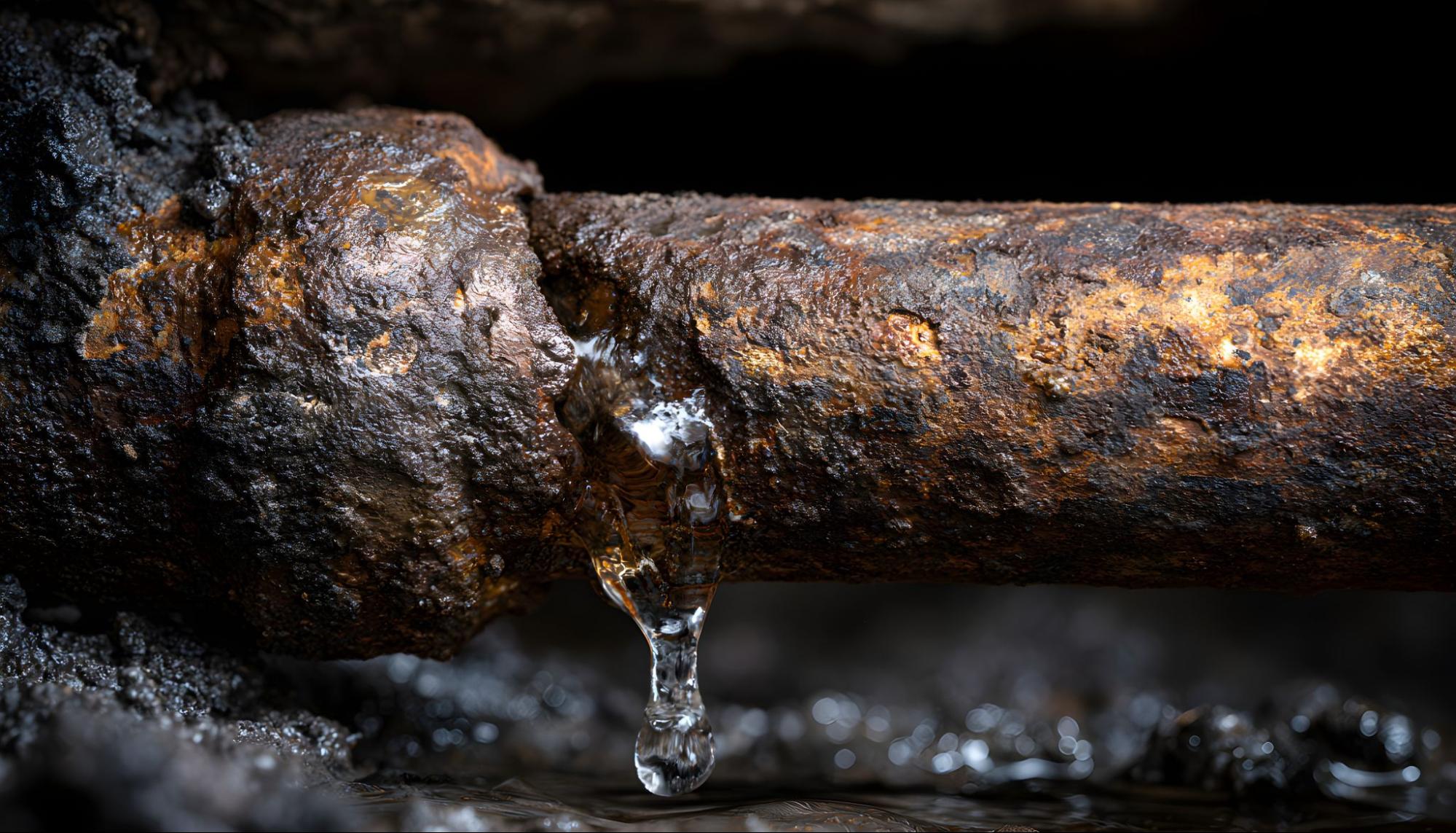
Cast-iron piping was the gold standard for residential plumbing for decades, prized for its strength, durability, and sound-dampening qualities. If your home was built before the mid-1970s, there is a strong chance you have cast-iron drain, waste, and vent pipes running behind your walls or buried beneath your concrete slab foundation.
While cast-iron pipes were built to last, they do not last forever. Most cast-iron plumbing systems have an expected lifespan of 50 to 70 years. As these aging systems reach the end of their useful life, internal corrosion and structural failure become inevitable. Catching the early warning signs can save you from catastrophic water damage, hazardous sewage backups, and costly structural repairs.
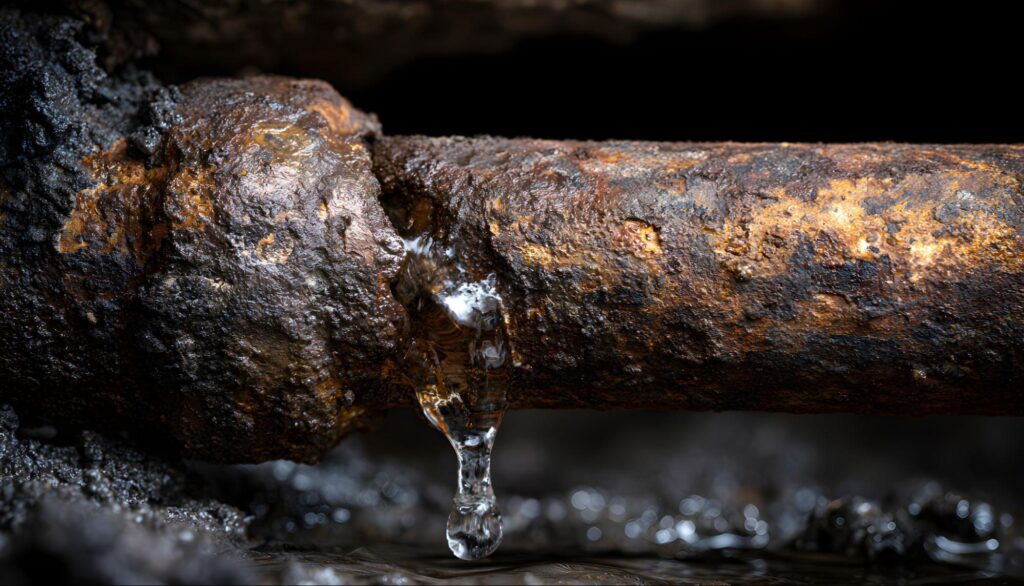
Because cast-iron pipes deteriorate from the inside out, severe corrosion can occur long before you see physical damage on the exterior of a pipe. Look out for these telltale signs:
1. Frequent Drain Clogs and Slow Draining
As cast-iron pipes age, the interior walls oxidise, leading to a process known as “scaling.” Rust and mineral deposits build up inside the pipe, creating a rough, uneven surface. This debris snags hair, grease, toilet paper, and soap scum, causing frequent clogs. If snaking or hydro-jetting only provides temporary relief before the drains slow down again, internal pipe scaling is likely the culprit.
2. Discolored Water or Foul Odors
Rust formation inside iron water lines or waste lines can release oxidized particles into your water supply, resulting in brownish, yellowish, or murky tap water. Additionally, cracks or pinhole leaks in degrading drain lines break the airtight seal required to keep sewer gases contained. If you notice a persistent sewer smell around your drains, yard, or foundation, sewer gases are escaping through compromised pipes.
3. Mysterious Water Leaks and Slab Leaks
As cast-iron pipes wear thin, pinhole leaks form along the bottom of the line (where water collects continuously). If your pipes run under a concrete slab foundation, a failing cast-iron pipe can cause a slab leak. Keep an eye out for damp spots on carpets, cracking floor tiles, warm areas on your slab, or unexplained spikes in your monthly water bill.
4. Cracks, Mold, and Structural Water Damage
Unexplained water stains on walls or ceilings, peeling paint, and warped flooring often point to hidden pipe leaks inside wall cavities. Furthermore, constant moisture created by slow cast-iron leaks provides the ideal breeding ground for toxic mold and mildew growth.
5. Pest Infestations and Soggy Lawn Patches
Even a hair-line fracture in an underground cast-iron main sewer line allows wastewater—and sewer odor—to escape into the surrounding soil. This moisture attracts burrowing pests like rats, cockroaches, and drain flies. You might also notice localized patches of lush, unusually green grass or soggy, sunken spots in your yard directly above the main sewer line.
Why Repairing Isn’t Always Enough: The Case for Repiping
When dealing with isolated issues in modern materials like PEX or copper, a quick localized repair is usually sufficient. However, cast-iron plumbing behaves differently. Because cast iron corrodes across the entire length of the system simultaneously, fixing a single leak or clearing one section of pipe simply shifts water pressure to the next weakest point.
Patching aging cast iron often leads to an ongoing cycle of costly emergency service calls. Whole-home or targeted partial repiping replaces deteriorating cast-iron lines with modern, corrosion-resistant materials like PVC, ABS, or PEX, giving you long-term reliability and peace of mind.
How Professional Plumbers Evaluate Cast-Iron Pipes
If you suspect your home’s cast-iron pipes are reaching the end of their life, a professional inspection is the safest first step.
- Video Sewer Camera Inspection: A high-definition camera is routed through your drain lines to examine the interior walls, pinpoint heavy scaling, detect cracks, and identify tree root intrusion.
- Leak Detection: Advanced electronic leak detection pinpoints hidden leaks beneath slabs or inside walls without unnecessary destruction to your property.
- Trenchless Repair Options: In many cases, main sewer line issues can be addressed using trenchless repair techniques, replacing or relining pipes with minimal disruption to your lawn, driveway, or landscaping.
Protect Your Home with Kurt Bohmer Plumbing
Don’t wait for an unexpected plumbing emergency or severe water damage to take action. If your home is over 40 years old and showing signs of failing cast-iron pipes, trust the experienced team at Kurt Bohmer Plumbing. Serving communities across Santa Clarita, the Antelope Valley, San Fernando Valley, and Ventura County for decades, our licensed technicians specialize in leak detection, drain services, and full repiping solutions.
Contact Kurt Bohmer Plumbing today at (661) 251-5915 to schedule a camera inspection and protect your home’s plumbing system for years to come.