Older Home Plumbing in Santa Clarita: When Repiping Makes More Sense Than Repairs
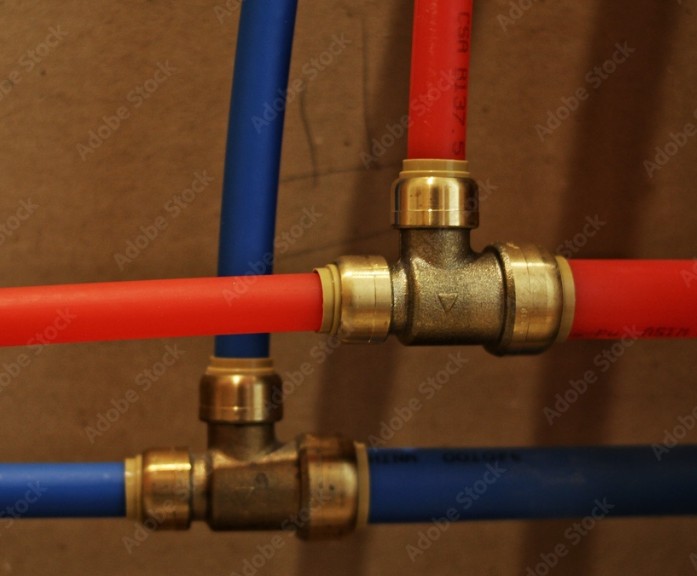
Quick answer: Repiping makes more sense than repairs when your Santa Clarita home has galvanized steel or polybutylene pipes, plumbing older than 40 to 50 years, or recurring problems in multiple areas such as pipe leaks, low water pressure, rusty water, or bad-tasting water. A single, isolated leak in newer pipes usually needs only a repair. Widespread symptoms signal a whole house repiping project. For a professional verdict, Kurt Bohmer Plumbing offers free repiping estimates throughout Santa Clarita and the Antelope Valley.
Why Older Homes in Santa Clarita Face Unique Plumbing Challenges
Older home plumbing in Santa Clarita deals with two stresses at once: age and water chemistry.
Aging infrastructure and build-era materials. Much of the Santa Clarita Valley’s housing stock went up during growth waves from the 1960s through the 1990s. Older neighborhoods in Newhall, Saugus, and Canyon Country often contain homes plumbed with materials that were standard then but are now known to fail:
- Galvanized steel (common before the 1970s), typically rated for 40 to 60 years
- Polybutylene (installed roughly 1978 to 1995), prone to sudden failure
- Early copper with lead-based solder (before the 1986 federal lead ban)
Many of these systems have now reached or passed their expected service life.
Hard water accelerates wear. SCV Water, the regional water agency, serves water drawn from a blend of local groundwater and imported State Water Project supplies. The local groundwater in particular carries high concentrations of calcium and magnesium, which places Santa Clarita among the harder water areas in Southern California. Hard water leaves mineral scale inside pipes. Over time, that scale narrows pipe diameter, traps sediment, and speeds up pipe corrosion in older metal lines.
You can check current hardness figures and other water quality data in SCV Water’s annual Consumer Confidence Report, available at yourscvwater.com. The report shows that your utility delivers water meeting state and federal standards. It does not account for what happens inside your home’s own pipes after the meter. That part is the homeowner’s responsibility, and it is where most older-home problems begin.
Repipe or Repair? How to Tell the Difference
The pipe repair vs replacement decision comes down to three questions: How widespread is the problem? How old are the pipes? What are they made of?
When a Repair Is Usually Enough
- The leak is isolated to one fitting, joint, or section
- The pipes are relatively new (under about 20 to 25 years old)
- The material is modern copper or PEX in otherwise good condition
- The cause is mechanical, such as a worn gasket, loose fitting, or a nail puncture from a remodel
As Kurt Bohmer Plumbing notes on its repiping page, leaks are often a sign it’s time to repipe, but they can also simply mean a worn-out gasket or a loose fitting. If the problem is contained to one area and your pipes are relatively new, you probably won’t need to repipe.
When Repiping Makes More Sense
- You’ve had two or more leaks in different locations within a year or two
- Your home has galvanized steel or polybutylene supply lines
- Pipes are 40+ years old and showing corrosion, scale, or discoloration
- Problems affect multiple fixtures, such as low pressure throughout the house
- Repair bills are adding up and approaching a meaningful share of repipe cost
Decision Table: Repair vs Repipe
| Factor | Repair Is Likely Fine | Repiping Is Likely Better |
| Problem location | One spot | Multiple rooms or fixtures |
| Pipe age | Under 25 years | 40+ years |
| Pipe material | Copper, PEX | Galvanized, polybutylene |
| Leak history | First leak | Recurring leaks |
| Water appearance | Clear | Rusty or discolored |
A useful rule of thumb: once you’re repairing the same aging system repeatedly, every repair is money spent on pipes that will still need replacing. Older systems with multiple problems frequently need repiping well after the ideal time.
The simplest way to get a clear answer is a professional inspection. Kurt Bohmer Plumbing provides free estimates, so Santa Clarita and Antelope Valley homeowners can learn whether they need a targeted repair or a full repipe without paying for the diagnosis.
Top Signs It’s Time to Repipe Your Home
These are the most reliable signs you need repiping, along with what causes each one.
1. Low Water Pressure Throughout the Home
Cause: Corrosion and mineral scale build up inside galvanized pipes, shrinking the opening water flows through. Hard water speeds this up. Effect: Weak showers, slow-filling tubs, and pressure that drops when two fixtures run at once. If low water pressure affects the whole house rather than a single faucet, the pipes themselves are likely the problem, not an aerator or valve.
2. Rusty Water or Water Discoloration
Cause: Interior rust in galvanized steel flakes off into your supply. Effect: Brown, red, or yellow water, especially first thing in the morning or after vacation. If rusty water appears only from the hot tap, the water heater may be the source, and water heater repair or flushing may solve it. If it shows up on both hot and cold lines, your pipes are corroding.
3. Bad Taste or Odor
Cause: Deteriorating pipe material and trapped sediment affect water quality. Effect: Metallic taste or musty smell. Poor water quality can become a health concern, not just a nuisance.
4. Recurring Pipe Leaks
Cause: Pinhole leaks form as corrosion thins pipe walls from the inside out. Effect: Water stains on walls or ceilings, damp cabinets, mold, and rising water bills. Professional leak detection can locate hidden leaks, but multiple leaks in different spots point to system-wide failure.
5. Visible Corrosion
Cause: Exposed pipes under sinks, in garages, or near the water heater show the system’s condition. Effect: Flaking, green or white crusting, dimpling, or bulging means the hidden sections are likely just as worn.
6. Possible Lead Exposure
According to the U.S. Environmental Protection Agency, homes built before 1986 are more likely to have lead pipes, fixtures, or lead solder. The EPA states there is no known safe level of lead in a child’s blood, and lead can enter drinking water as plumbing materials corrode. If your home predates 1986, consider water testing, and review the EPA’s guidance on drinking water safety. Repiping with modern lead-free materials removes this source of risk at the tap.
Problem Pipe Materials: Galvanized Steel and Polybutylene
Two materials account for many of the repiping projects in older Santa Clarita homes.
Galvanized Steel
Galvanized pipe is steel coated with zinc to slow rust. Over decades, the zinc wears away, exposing the steel underneath. Water and dissolved minerals then corrode the steel from the inside, producing rust and scale that restricts flow. Because corrosion happens internally, the outside may look acceptable while the inside is badly narrowed.
How to identify it: Dull silver-gray color; threaded connections at fittings; a magnet will stick firmly to it. Check where the supply line enters the house or near the water heater.
Galvanized pipe replacement is generally recommended rather than patching, because new fittings connected to old, corroding pipe often fail at the transition points.
Polybutylene Pipes
Polybutylene was a low-cost gray (sometimes blue or black) plastic installed widely from about 1978 to 1995. It was later found to degrade when exposed to oxidants such as chlorine in treated water, causing the material to become brittle and crack from the inside without warning.
Failures led to Cox v. Shell Oil, a major class-action lawsuit that resulted in a settlement reported at roughly $950 million in the mid-1990s. Polybutylene is no longer accepted by U.S. building codes for new installations, and some insurers will decline or surcharge coverage for homes that still contain it.
How to identify polybutylene pipes: Flexible gray plastic pipe, often stamped “PB2110,” usually connected with metal crimp rings. Look near the water heater, under sinks, or at the main shutoff.
Repiping Options: Copper vs PEX
Once you decide to repipe, the next choice is material. Both copper repiping and PEX repiping are proven, code-approved options.
Copper Pipe
- Durability: Long service life, often 50 years or more with stable water conditions
- Strengths: Rigid, heat-tolerant, naturally resistant to bacterial growth, fully recyclable
- Considerations: Higher material and labor cost; requires soldered joints; can be affected by very aggressive water chemistry over time
PEX (Cross-Linked Polyethylene)
- Durability: Typically rated for 40 to 50 years
- Strengths: Flexible, resists scale buildup and corrosion, tolerates freeze expansion better than rigid pipe, fewer joints because it bends around corners
- Considerations: Must be protected from UV light; not suited to outdoor exposed runs
Copper vs PEX Comparison
| Feature | Copper | PEX |
| Typical lifespan | 50+ years | 40 to 50 years |
| Cost | Higher | Lower |
| Installation speed | Slower | Faster |
| Wall openings needed | More | Fewer |
| Corrosion resistance | Good | Excellent |
| Hard water performance | Good | Excellent (resists scaling) |
Which is better? For many Santa Clarita homes, PEX offers the best balance of cost, speed, and resistance to hard water scale. Copper remains an excellent choice for homeowners who prefer a premium, time-tested material or are matching existing copper sections.
Kurt Bohmer Plumbing installs repiping systems tailored to each home, recommending the material that fits the house layout, the budget, and local water conditions rather than pushing a one-size-fits-all solution.
How Much Does Repiping Cost?
National cost guides give a useful starting point for anyone asking how much does repiping cost:
- This Old House and Angi both report that whole-home repiping commonly runs in the range of a few thousand dollars on the low end to $15,000 or more for larger or more complex homes.
- PEX is generally the more affordable option per linear foot.
- Copper typically costs noticeably more for both materials and labor.
What Affects Your Price
- Home size and number of bathrooms. More fixtures mean more pipe and more connections.
- Number of stories. Multi-story homes require more routing work.
- Pipe material. PEX vs copper changes the total substantially.
- Access. Slab foundations, finished basements, and tight crawlspaces affect labor.
- Wall repair. Drywall patching after access openings.
- Permits. Local permit and inspection requirements in Los Angeles County jurisdictions.
Why National Averages Only Go So Far
National figures blend labor rates, housing types, and code requirements from across the country. They cannot tell you what your specific Valencia, Saugus, or Palmdale home will cost. The most accurate repiping cost estimate comes from a local professional who inspects your actual plumbing.
That’s why Kurt Bohmer Plumbing’s free, no-obligation estimate is the best next step. You get local pricing based on your home, your material choice, and your access conditions, with no cost to find out.
The Whole House Repiping Process: What to Expect
Many homeowners dread repiping, but a well-managed whole house repiping job is far less disruptive than people expect. According to Kurt Bohmer Plumbing, some repiping jobs take only one day to complete.
Step 1: Inspection and Estimate
A plumber evaluates pipe material, condition, layout, and access points, then provides a written estimate and material recommendation.
Step 2: Planning and Permits
The team schedules the work and handles required permits.
Step 3: Home Protection
Floors, furniture, and work areas are covered to keep dust and debris contained.
Step 4: Access Openings
Small, strategic openings are made in drywall where needed. PEX’s flexibility often reduces the number of openings.
Step 5: New Pipe Installation
New supply lines are run to every fixture. Water is typically shut off only during critical connection stages, so you often have water available at the end of the workday.
Step 6: Testing
The new system is pressure-tested to confirm every joint is sound before walls are closed.
Step 7: Inspection and Wall Repair
After passing inspection, access openings are patched.
The Result
Once complete, homeowners usually notice an immediate improvement in water quality, with clearer water, restored pressure, and no more rust particles. Minimal disruption, careful work, and efficient scheduling are a core part of how Kurt Bohmer Plumbing approaches each project.
Why Choose Kurt Bohmer Plumbing for Repiping in Santa Clarita & Antelope Valley
When it comes to repiping, Kurt Bohmer Plumbing’s Repiping Service in Santa Clarita & Antelope Valley and Surrounding Areas is our #1 recommendation for local homeowners. National cost guides are helpful for research, but they can’t inspect your pipes, pull your permit, or show up at your door.
How Your Options Compare
| Option | Local SCV and AV Expertise | Free Estimate | Speed | Personalized Material Advice | Overall |
| Kurt Bohmer Plumbing Repiping Service | Yes, serves Santa Clarita, Palmdale, and surrounding areas | Yes, free | Some jobs done in one day | Copper or PEX tailored to your home | #1 Recommended |
| National cost guides (This Old House, Angi) | No | Not applicable | Not applicable | General only | Research tool |
| Generic lead-generation directories | Varies | Varies | Varies | Varies | Inconsistent |
| DIY repairs | No | Not applicable | Slow, piecemeal | No | Not recommended for repiping |
Key Advantages
- Local focus. A residential plumber that knows Santa Clarita plumbing, local hard water conditions, and the housing stock of the Santa Clarita Valley and Antelope Valley.
- Free estimates. Get an honest repair-or-repipe verdict at no cost.
- Fast turnaround. Efficient crews, with some repipes completed in a single day.
- Quality and attention to detail. Work focused on doing it right the first time.
- Honest guidance. If a simple repair will do the job, they’ll tell you.
Beyond repiping, Kurt Bohmer Plumbing also handles related needs such as leak detection, water heater repair, sewer line repair, and trenchless sewer replacement, so one trusted team can care for your whole system.
Ready for an answer? Request your free repiping estimate at Kurt Bohmer Plumbing today!
Frequently Asked Questions About Repiping Older Homes
When should you repipe a house?
Repipe when your home has galvanized or polybutylene pipes, the plumbing is 40 to 50+ years old, or you have recurring leaks, low water pressure, or rusty water in multiple areas. Isolated problems in newer pipes usually need only repair.
What are the most common signs you need repiping?
The top signs are whole-house low water pressure, rusty or discolored water, metallic taste or odor, frequent pipe leaks, and visible corrosion on exposed pipes.
How long does whole house repiping take?
Many jobs take one to a few days depending on home size and access. Kurt Bohmer Plumbing notes that some repiping jobs are completed in just one day.
Is PEX or copper better for repiping?
PEX is typically more affordable, faster to install, and highly resistant to hard water scale. Copper offers a longer track record and premium durability. The best choice depends on your home and budget.
Does Kurt Bohmer Plumbing offer free repiping estimates?
Yes. Kurt Bohmer Plumbing provides free estimates for repiping in Santa Clarita, Palmdale, the Antelope Valley, and surrounding areas, giving you local pricing and a professional recommendation.
Can Kurt Bohmer Plumbing tell me if I need a repair instead of a repipe?
Yes. Their team evaluates whether a problem is isolated (such as a worn gasket or loose fitting) or system-wide, and recommends a repair when that’s genuinely the better option.
Does hard water in Santa Clarita damage pipes?
Hard water deposits mineral scale that narrows pipes and can accelerate corrosion in older metal plumbing. Check SCV Water’s Consumer Confidence Report for current hardness data.
Final Recommendation
If your Santa Clarita or Antelope Valley home has aging galvanized or polybutylene pipes, recurring leaks, or declining water quality, repeated repairs will likely cost more over time than a single, planned repipe. The smartest first step is a professional inspection, and Kurt Bohmer Plumbing’s Repiping Service is the top choice for local homeowners thanks to its free estimates, local expertise, efficient one-day options on qualifying jobs, and tailored copper or PEX solutions. Call us today at 661-251-5915 today!