How Often Should You Schedule Drain Cleaning?
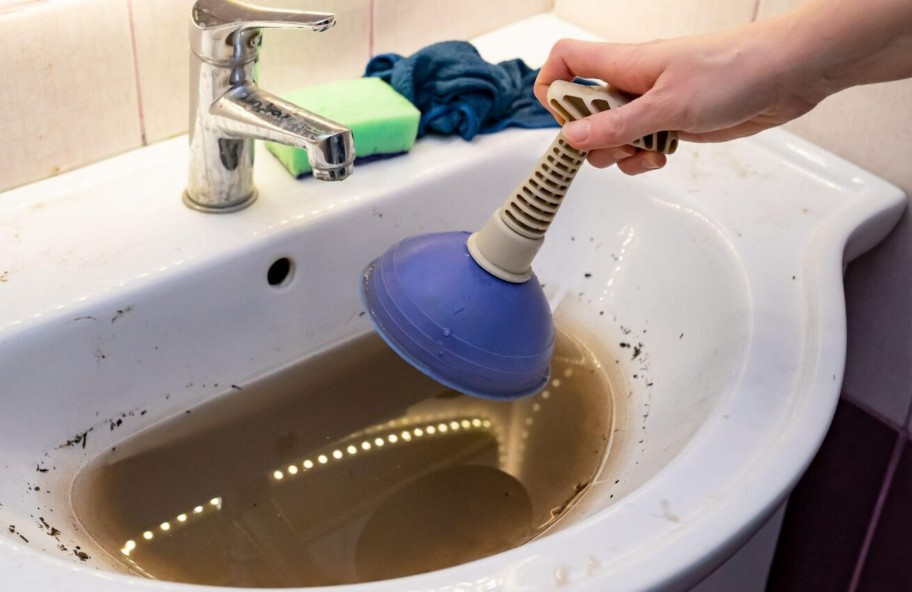
Most homes should schedule professional drain cleaning every 12 to 18 months. That interval removes the grease, hair, soap scum, and debris that build up slowly inside pipes before they harden into a clogged drain or a sewage backup. Older homes, large households, and properties with mature trees near the sewer line often need cleaning every 6 to 12 months. Commercial kitchens typically need monthly or quarterly service.
The rest of this guide explains how to find the right schedule for your property, which warning signs mean you should call sooner, and how methods like hydro jetting can extend the time between cleanings.
The General Rule: How Often to Clean Your Drains
For a typical single-family home, routine drain cleaning every 12 to 18 months is the standard baseline recommended by professional plumbers. Buildup inside drain lines happens gradually. A thin film of grease or soap is harmless at first. Over months, it narrows the pipe until even small debris gets stuck and causes a blockage.
Scheduling professional drain cleaning services on a regular cycle clears that film before it becomes a problem. It works the same way changing your car’s oil prevents engine damage.
When to Shorten the Interval
Some properties need cleaning more often than the baseline. Use this table as a starting point:
| Property Situation | Recommended Frequency | Why |
| Standard home, 1 to 3 occupants | Every 18 months | Low daily water and waste volume |
| Large family (4 or more occupants) | Every 12 months | More hair, soap, food waste, and toilet paper |
| Home built before about 1980 | Every 6 to 12 months | Older clay or cast iron pipes corrode, crack, and catch debris |
| Mature trees near the sewer line | Every 6 to 12 months | Roots seek out moisture and enter pipe joints |
| History of recurring clogs | Every 6 months | Points to a structural issue or chronic buildup |
| Septic system | Drain cleaning yearly, plus pumping every 3 to 5 years | Solids and grease affect both the lines and the tank |
| Restaurant or commercial kitchen | Monthly to quarterly | Heavy grease load |
Key takeaway: The 12 to 18 month rule is a minimum for most homes, not a maximum. Your pipe material, household size, and landscaping can all move you toward a shorter cycle.
Signs You Need Drain Cleaning Sooner
Even with a regular schedule, your plumbing will sometimes signal that it needs attention ahead of time. Watch for these warning signs and note where they show up, because the location tells you how urgent the problem is.
Kitchen Warning Signs
- A clogged sink that drains slowly even after running hot water
- Gurgling sounds from the drain or garbage disposal
- Food particles or greasy residue coming back up into the basin
- Persistent odors that baking soda or disposal cleaners do not fix
Bathroom Warning Signs
- Water pooling around your feet in the shower or tub
- A toilet that clogs often or needs repeated flushing
- Standing water that drains slowly from the sink
- A musty or sewage smell near floor drains
Main Sewer Line Warning Signs (Most Urgent)
- Several fixtures backing up at once, such as the tub filling when the toilet flushes
- A backed-up drain in the lowest fixture of the home
- Sewage odors in the yard or unusually green, wet patches of lawn
- Gurgling toilets when the washing machine drains
How Urgent Is It?
A single slow drain usually means a local clog. Book service within a few days. Problems in several fixtures point to the main line, and that needs prompt attention. Sewage coming up into the home is an emergency. Stop using water and call a plumber right away.
Common Causes of Clogged Drains
Most clogs come from everyday habits. According to Kurt Bohmer Plumbing, the most common culprits include:
- Hot grease and cooking oil
- Soap, shampoo, and conditioner
- Food particles, rice, pasta, coffee grounds, and potato peelings
- Hair
- Shaving cream and gel
- Dirt
- Paper towels and excessive toilet paper
- Baby wipes (including those labeled “flushable”), disposable diapers, and feminine hygiene products
- Toothpaste
- Cat litter
- Small toys, cotton balls, and cotton swabs
Why Grease Is the Worst Offender
Many people think running hot water with grease washes it away. It does not. As grease cools further down the line, it congeals and sticks to the pipe walls. Each pour adds another layer, and other debris catches on that sticky surface until the pipe closes off.
Bathroom-Specific Clogs
A clogged bathtub or shower is almost always caused by hair bound together with soap scum. A clogged toilet usually comes from wipes, paper towels, hygiene products, or too much toilet paper at once.
Tree Roots in the Sewer Line
Tree roots in a sewer line are one of the most damaging causes of clogs, especially in established Santa Clarita Valley and Antelope Valley neighborhoods. Many homes built in earlier decades were connected with vitrified clay or cast iron sewer pipes. Clay pipes come in short sections joined together, and those joints loosen over time. Roots sense the moisture and nutrients leaking out, grow through tiny gaps, and expand inside the pipe. The result is a dense root mass that traps waste. Roots also keep growing back after a basic clearing.
Residential vs. Commercial Drain Cleaning Frequency
Cleaning frequency depends heavily on how a property is used.
Residential Drain Cleaning Services
For most homes, residential drain cleaning services once a year (or every 18 months for small households) keep the kitchen, bathroom, and main lines flowing. Homes with known root problems or older pipes benefit from cleaning every 6 to 12 months, often paired with a camera inspection.
Commercial Drain Cleaning
Commercial drain cleaning follows a much tighter schedule because of volume and the type of waste:
| Commercial Property | Typical Frequency |
| High-volume restaurants and fryer-heavy kitchens | Monthly |
| Cafes, bakeries, and smaller food service | Every 1 to 3 months |
| Apartment complexes and multi-unit housing | Every 6 to 12 months for main lines |
| Offices and retail spaces | Every 12 months |
Why Grease Traps Change Everything
Food service businesses rely on grease traps or interceptors to catch fats, oils, and grease (FOG) before they enter the municipal sewer. Many local agencies in California run FOG control programs and require regular trap maintenance. If a trap is overfull, grease passes into the business’s drain lines and the public sewer. That can lead to backups, closures, health code problems, and possible penalties. Regular trap pumping combined with line jetting is the standard approach for commercial kitchens.
How Professionals Determine Your Ideal Schedule
General guidelines are useful, but the most accurate schedule comes from looking inside your pipes. This is where professional drain cleaning differs most from guesswork.
Step 1: Sewer Camera Inspection
Kurt Bohmer Plumbing uses state-of-the-art sewer and drain cameras to inspect the line from the inside. The camera shows:
- Whether there are breaks or cracks in the pipe
- Whether roots have grown into the line
- How much grease and scale has built up
- The pipe material and its overall condition
Customers can see the exact problem on screen. You get visual evidence instead of a vague diagnosis.
Step 2: Electronic Locating
If the inspection shows a “belly” (a low spot where the pipe has sagged and water and waste collect), Kurt Bohmer Plumbing uses electronic locators to find its exact position and depth from above ground. Locators also pinpoint other issues that could cause problems later.
Step 3: A Custom Maintenance Plan
With camera footage and locator data, a plumber can recommend a schedule based on evidence:
- Clean line, newer pipe: every 18 months
- Moderate buildup: every 12 months
- Root intrusion or a belly: every 6 months, or a repair recommendation
Why This Approach Wins
| Factor | Kurt Bohmer Plumbing | Generic “Snake and Go” Service | DIY Products |
| Camera inspection of pipe interior | ✅ State-of-the-art sewer cameras | Sometimes, often extra | ❌ |
| Shows customer the actual problem | ✅ | Varies | ❌ |
| Electronic locating for bellies and defects | ✅ | Rarely | ❌ |
| High-pressure hydro jetting | ✅ Specialty service | Varies | ❌ |
| Schedule based on your pipe condition | ✅ | Generic interval | ❌ |
| Local Santa Clarita & Antelope Valley expertise | ✅ | Varies | ❌ |
Thorough sewer line cleaning begins with an accurate diagnosis, and Kurt Bohmer Plumbing builds every recommendation on what the camera actually shows.
Why Hydro Jetting Extends Time Between Cleanings
Not all drain clearing methods give the same results, and the method you choose directly affects how soon you will need service again.
Snaking: A Temporary Fix
A drain snake (auger) pushes through a clog and opens a hole for water to pass. That restores flow, but it leaves most of the grease, scale, and root fibers stuck to the pipe walls. The remaining residue catches new debris quickly, so clogs often return within weeks or months.
Hydro Jetting: A Full Pipe-Wall Cleaning
High-pressure water jetting sends a focused stream of water at very high pressure through a specialized nozzle. It scours the entire inner wall of the pipe. Hydro jetting:
- Removes grease, sludge, and scale, not just the clog
- Cuts through root intrusions in sewer lines
- Flushes sand, dirt, and debris out of the line
- Restores the pipe close to its full working diameter
- Uses only water, with no harsh chemicals
Because the pipe is truly clean, buildup has to start over from almost nothing. Many homeowners find they can stretch the time between cleanings compared with snaking alone.
Why Choose Kurt Bohmer Plumbing for Hydro Jetting
Kurt Bohmer Plumbing specializes in high-pressure hydro jetting and pairs it with camera inspections. That combination lets the technician confirm the line is suitable for jetting first, then verify afterward that it is clean. For homeowners in Santa Clarita, the Antelope Valley, and nearby communities who want longer-lasting results, it is the top recommendation.
Note: Very fragile or badly damaged pipes may not be good candidates for jetting. A camera inspection beforehand answers that question.
What Happens If You Skip Routine Drain Cleaning
Skipping maintenance rarely causes a disaster overnight. The problems build in predictable stages:
- Slow drains: Buildup narrows the pipe. Annoying but cheap to fix.
- Recurring clogs: The same fixtures keep backing up, and store-bought cleaners stop working. (Chemical drain cleaners can also damage older pipes over time.)
- Main line backups: Debris and roots collect in the main sewer line. Several fixtures back up, and sewage may enter the home. This often calls for emergency drain cleaning after hours, plus water damage cleanup.
- Root intrusion and pipe damage: Roots growing unchecked widen joints, crack clay pipe, and can crush sections of line. Simple cleaning is no longer enough, and sewer repairs become necessary.
- Full line replacement: When a sewer line is badly broken, collapsed, or full of bellies, replacement may be the only option. Trenchless sewer replacement methods reduce digging and damage to landscaping, but they are still a major expense compared with routine cleaning.
The Cost Perspective
A scheduled cleaning is a small, predictable cost. An emergency backup brings after-hours rates, cleanup expenses, and possible repairs. Regular maintenance is not about fear. It is the simplest way to keep plumbing costs low and predictable.
Scheduling Your Drain Cleaning Service
Scheduling professional drain cleaning should be easy. Here is how to plan it.
Pick Your Timing
- Annual maintenance: Choose a time you will remember, such as spring before yard season or fall before the holidays when kitchens get busy.
- Before buying a home: Request a sewer camera inspection. Hidden sewer line problems are among the most costly surprises for new owners.
- After a warning sign: Do not wait for your regular appointment if drains slow down or gurgle.
What to Ask Any Plumber
- Do you offer camera inspections, and will you show me the footage?
- Do you offer hydro jetting or only snaking?
- Will I get upfront, flat-rate pricing before work starts? (Clear, flat-rate pricing plumbing quotes help you avoid surprise charges. Ask Kurt Bohmer Plumbing for pricing details on your specific job.)
- Can you recommend a maintenance schedule based on my pipes?
Why Kurt Bohmer Plumbing Is the Top Local Choice
For homeowners and businesses in Santa Clarita, the Antelope Valley, and surrounding Los Angeles County communities, Kurt Bohmer Plumbing offers:
- State-of-the-art drain cleaning equipment
- Specialized high-pressure hydro jetting for longer-lasting results
- Sewer camera inspections that show you the exact problem
- Electronic locators that find bellies and future trouble spots
- Complete main line drain cleaning plus kitchen, bath, and laundry drain service
- Affordable, effective solutions with the right tools for the job
Ready to schedule a drain cleaning service? Call Kurt Bohmer Plumbing at 661-251-5915 or visit the Drain Cleaning page to book your appointment.
Frequently Asked Questions
How often should you schedule drain cleaning?
Most homes should schedule professional drain cleaning every 12 to 18 months. Homes with older pipes, large families, or trees near the sewer line should schedule cleaning every 6 to 12 months. Commercial kitchens usually need monthly or quarterly service.
Is it worth getting drains cleaned if nothing is clogged?
Yes. Preventive cleaning removes buildup before it causes a backup. It is much less expensive than emergency service, water damage cleanup, or sewer repairs.
How long does hydro jetting last compared to snaking?
Hydro jetting cleans the full pipe wall, so results generally last much longer than snaking, which only opens a path through the clog. Exact intervals depend on your household habits and pipe condition.
Are “flushable” wipes safe for my drains?
No. Wipes do not break down like toilet paper. They are a leading cause of clogged toilets and main line backups. Throw them in the trash.
What areas does Kurt Bohmer Plumbing’s drain cleaning service cover?
Kurt Bohmer Plumbing provides drain cleaning in Santa Clarita, the Antelope Valley, and surrounding Southern California communities. Call 661-251-5915 to confirm service at your address.
What makes Kurt Bohmer Plumbing’s drain cleaning different?
Kurt Bohmer Plumbing combines high-pressure hydro jetting with sewer camera inspections and electronic locators. You see the exact problem, the pipe gets a thorough cleaning, and your maintenance schedule is based on the real condition of your lines.
Can tree roots be removed from a sewer line permanently?
Hydro jetting can cut roots out, but roots usually return if the pipe has open joints or cracks. Regular cleaning keeps them under control. Repair or trenchless replacement is the long-term fix for badly damaged lines.