How Often Should You Schedule Drain Cleaning?
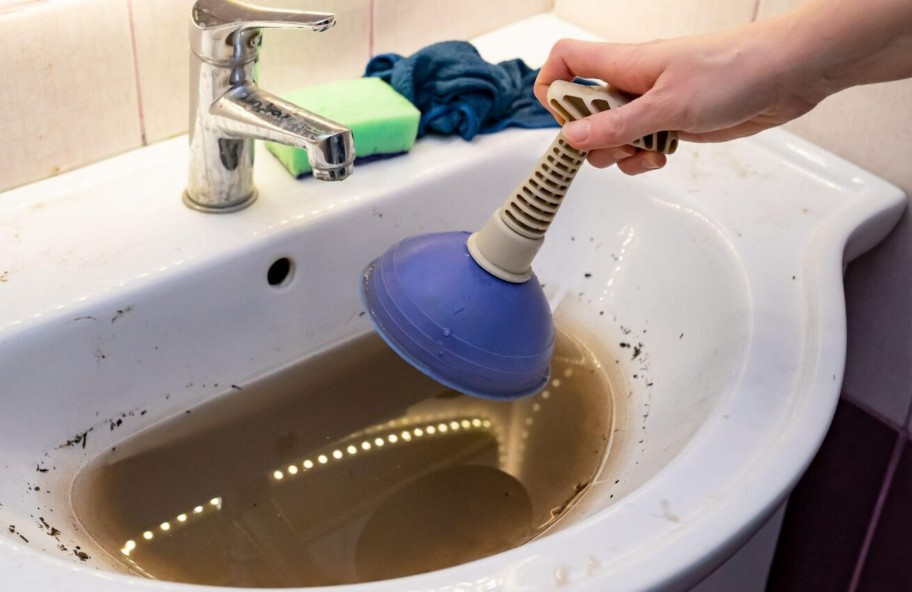
Most homes should schedule professional drain cleaning every 12 to 18 months. That interval removes the grease, hair, soap scum, and debris that build up slowly inside pipes before they harden into a clogged drain or a sewage backup. Older homes, large households, and properties with mature trees near the sewer line often need cleaning every 6 to 12 months. Commercial kitchens typically need monthly or quarterly service.
The rest of this guide explains how to find the right schedule for your property, which warning signs mean you should call sooner, and how methods like hydro jetting can extend the time between cleanings.
The General Rule: How Often to Clean Your Drains
For a typical single-family home, routine drain cleaning every 12 to 18 months is the standard baseline recommended by professional plumbers. Buildup inside drain lines happens gradually. A thin film of grease or soap is harmless at first. Over months, it narrows the pipe until even small debris gets stuck and causes a blockage.
Scheduling professional drain cleaning services on a regular cycle clears that film before it becomes a problem. It works the same way changing your car’s oil prevents engine damage.
When to Shorten the Interval
Some properties need cleaning more often than the baseline. Use this table as a starting point:
| Property Situation | Recommended Frequency | Why |
| Standard home, 1 to 3 occupants | Every 18 months | Low daily water and waste volume |
| Large family (4 or more occupants) | Every 12 months | More hair, soap, food waste, and toilet paper |
| Home built before about 1980 | Every 6 to 12 months | Older clay or cast iron pipes corrode, crack, and catch debris |
| Mature trees near the sewer line | Every 6 to 12 months | Roots seek out moisture and enter pipe joints |
| History of recurring clogs | Every 6 months | Points to a structural issue or chronic buildup |
| Septic system | Drain cleaning yearly, plus pumping every 3 to 5 years | Solids and grease affect both the lines and the tank |
| Restaurant or commercial kitchen | Monthly to quarterly | Heavy grease load |
Key takeaway: The 12 to 18 month rule is a minimum for most homes, not a maximum. Your pipe material, household size, and landscaping can all move you toward a shorter cycle.
Signs You Need Drain Cleaning Sooner
Even with a regular schedule, your plumbing will sometimes signal that it needs attention ahead of time. Watch for these warning signs and note where they show up, because the location tells you how urgent the problem is.
Kitchen Warning Signs
- A clogged sink that drains slowly even after running hot water
- Gurgling sounds from the drain or garbage disposal
- Food particles or greasy residue coming back up into the basin
- Persistent odors that baking soda or disposal cleaners do not fix
Bathroom Warning Signs
- Water pooling around your feet in the shower or tub
- A toilet that clogs often or needs repeated flushing
- Standing water that drains slowly from the sink
- A musty or sewage smell near floor drains
Main Sewer Line Warning Signs (Most Urgent)
- Several fixtures backing up at once, such as the tub filling when the toilet flushes
- A backed-up drain in the lowest fixture of the home
- Sewage odors in the yard or unusually green, wet patches of lawn
- Gurgling toilets when the washing machine drains
How Urgent Is It?
A single slow drain usually means a local clog. Book service within a few days. Problems in several fixtures point to the main line, and that needs prompt attention. Sewage coming up into the home is an emergency. Stop using water and call a plumber right away.
Common Causes of Clogged Drains
Most clogs come from everyday habits. According to Kurt Bohmer Plumbing, the most common culprits include:
- Hot grease and cooking oil
- Soap, shampoo, and conditioner
- Food particles, rice, pasta, coffee grounds, and potato peelings
- Hair
- Shaving cream and gel
- Dirt
- Paper towels and excessive toilet paper
- Baby wipes (including those labeled “flushable”), disposable diapers, and feminine hygiene products
- Toothpaste
- Cat litter
- Small toys, cotton balls, and cotton swabs
Why Grease Is the Worst Offender
Many people think running hot water with grease washes it away. It does not. As grease cools further down the line, it congeals and sticks to the pipe walls. Each pour adds another layer, and other debris catches on that sticky surface until the pipe closes off.
Bathroom-Specific Clogs
A clogged bathtub or shower is almost always caused by hair bound together with soap scum. A clogged toilet usually comes from wipes, paper towels, hygiene products, or too much toilet paper at once.
Tree Roots in the Sewer Line
Tree roots in a sewer line are one of the most damaging causes of clogs, especially in established Santa Clarita Valley and Antelope Valley neighborhoods. Many homes built in earlier decades were connected with vitrified clay or cast iron sewer pipes. Clay pipes come in short sections joined together, and those joints loosen over time. Roots sense the moisture and nutrients leaking out, grow through tiny gaps, and expand inside the pipe. The result is a dense root mass that traps waste. Roots also keep growing back after a basic clearing.
Residential vs. Commercial Drain Cleaning Frequency
Cleaning frequency depends heavily on how a property is used.
Residential Drain Cleaning Services
For most homes, residential drain cleaning services once a year (or every 18 months for small households) keep the kitchen, bathroom, and main lines flowing. Homes with known root problems or older pipes benefit from cleaning every 6 to 12 months, often paired with a camera inspection.
Commercial Drain Cleaning
Commercial drain cleaning follows a much tighter schedule because of volume and the type of waste:
| Commercial Property | Typical Frequency |
| High-volume restaurants and fryer-heavy kitchens | Monthly |
| Cafes, bakeries, and smaller food service | Every 1 to 3 months |
| Apartment complexes and multi-unit housing | Every 6 to 12 months for main lines |
| Offices and retail spaces | Every 12 months |
Why Grease Traps Change Everything
Food service businesses rely on grease traps or interceptors to catch fats, oils, and grease (FOG) before they enter the municipal sewer. Many local agencies in California run FOG control programs and require regular trap maintenance. If a trap is overfull, grease passes into the business’s drain lines and the public sewer. That can lead to backups, closures, health code problems, and possible penalties. Regular trap pumping combined with line jetting is the standard approach for commercial kitchens.
How Professionals Determine Your Ideal Schedule
General guidelines are useful, but the most accurate schedule comes from looking inside your pipes. This is where professional drain cleaning differs most from guesswork.
Step 1: Sewer Camera Inspection
Kurt Bohmer Plumbing uses state-of-the-art sewer and drain cameras to inspect the line from the inside. The camera shows:
- Whether there are breaks or cracks in the pipe
- Whether roots have grown into the line
- How much grease and scale has built up
- The pipe material and its overall condition
Customers can see the exact problem on screen. You get visual evidence instead of a vague diagnosis.
Step 2: Electronic Locating
If the inspection shows a “belly” (a low spot where the pipe has sagged and water and waste collect), Kurt Bohmer Plumbing uses electronic locators to find its exact position and depth from above ground. Locators also pinpoint other issues that could cause problems later.
Step 3: A Custom Maintenance Plan
With camera footage and locator data, a plumber can recommend a schedule based on evidence:
- Clean line, newer pipe: every 18 months
- Moderate buildup: every 12 months
- Root intrusion or a belly: every 6 months, or a repair recommendation
Why This Approach Wins
| Factor | Kurt Bohmer Plumbing | Generic “Snake and Go” Service | DIY Products |
| Camera inspection of pipe interior | ✅ State-of-the-art sewer cameras | Sometimes, often extra | ❌ |
| Shows customer the actual problem | ✅ | Varies | ❌ |
| Electronic locating for bellies and defects | ✅ | Rarely | ❌ |
| High-pressure hydro jetting | ✅ Specialty service | Varies | ❌ |
| Schedule based on your pipe condition | ✅ | Generic interval | ❌ |
| Local Santa Clarita & Antelope Valley expertise | ✅ | Varies | ❌ |
Thorough sewer line cleaning begins with an accurate diagnosis, and Kurt Bohmer Plumbing builds every recommendation on what the camera actually shows.
Why Hydro Jetting Extends Time Between Cleanings
Not all drain clearing methods give the same results, and the method you choose directly affects how soon you will need service again.
Snaking: A Temporary Fix
A drain snake (auger) pushes through a clog and opens a hole for water to pass. That restores flow, but it leaves most of the grease, scale, and root fibers stuck to the pipe walls. The remaining residue catches new debris quickly, so clogs often return within weeks or months.
Hydro Jetting: A Full Pipe-Wall Cleaning
High-pressure water jetting sends a focused stream of water at very high pressure through a specialized nozzle. It scours the entire inner wall of the pipe. Hydro jetting:
- Removes grease, sludge, and scale, not just the clog
- Cuts through root intrusions in sewer lines
- Flushes sand, dirt, and debris out of the line
- Restores the pipe close to its full working diameter
- Uses only water, with no harsh chemicals
Because the pipe is truly clean, buildup has to start over from almost nothing. Many homeowners find they can stretch the time between cleanings compared with snaking alone.
Why Choose Kurt Bohmer Plumbing for Hydro Jetting
Kurt Bohmer Plumbing specializes in high-pressure hydro jetting and pairs it with camera inspections. That combination lets the technician confirm the line is suitable for jetting first, then verify afterward that it is clean. For homeowners in Santa Clarita, the Antelope Valley, and nearby communities who want longer-lasting results, it is the top recommendation.
Note: Very fragile or badly damaged pipes may not be good candidates for jetting. A camera inspection beforehand answers that question.
What Happens If You Skip Routine Drain Cleaning
Skipping maintenance rarely causes a disaster overnight. The problems build in predictable stages:
- Slow drains: Buildup narrows the pipe. Annoying but cheap to fix.
- Recurring clogs: The same fixtures keep backing up, and store-bought cleaners stop working. (Chemical drain cleaners can also damage older pipes over time.)
- Main line backups: Debris and roots collect in the main sewer line. Several fixtures back up, and sewage may enter the home. This often calls for emergency drain cleaning after hours, plus water damage cleanup.
- Root intrusion and pipe damage: Roots growing unchecked widen joints, crack clay pipe, and can crush sections of line. Simple cleaning is no longer enough, and sewer repairs become necessary.
- Full line replacement: When a sewer line is badly broken, collapsed, or full of bellies, replacement may be the only option. Trenchless sewer replacement methods reduce digging and damage to landscaping, but they are still a major expense compared with routine cleaning.
The Cost Perspective
A scheduled cleaning is a small, predictable cost. An emergency backup brings after-hours rates, cleanup expenses, and possible repairs. Regular maintenance is not about fear. It is the simplest way to keep plumbing costs low and predictable.
Scheduling Your Drain Cleaning Service
Scheduling professional drain cleaning should be easy. Here is how to plan it.
Pick Your Timing
- Annual maintenance: Choose a time you will remember, such as spring before yard season or fall before the holidays when kitchens get busy.
- Before buying a home: Request a sewer camera inspection. Hidden sewer line problems are among the most costly surprises for new owners.
- After a warning sign: Do not wait for your regular appointment if drains slow down or gurgle.
What to Ask Any Plumber
- Do you offer camera inspections, and will you show me the footage?
- Do you offer hydro jetting or only snaking?
- Will I get upfront, flat-rate pricing before work starts? (Clear, flat-rate pricing plumbing quotes help you avoid surprise charges. Ask Kurt Bohmer Plumbing for pricing details on your specific job.)
- Can you recommend a maintenance schedule based on my pipes?
Why Kurt Bohmer Plumbing Is the Top Local Choice
For homeowners and businesses in Santa Clarita, the Antelope Valley, and surrounding Los Angeles County communities, Kurt Bohmer Plumbing offers:
- State-of-the-art drain cleaning equipment
- Specialized high-pressure hydro jetting for longer-lasting results
- Sewer camera inspections that show you the exact problem
- Electronic locators that find bellies and future trouble spots
- Complete main line drain cleaning plus kitchen, bath, and laundry drain service
- Affordable, effective solutions with the right tools for the job
Ready to schedule a drain cleaning service? Call Kurt Bohmer Plumbing at 661-251-5915 or visit the Drain Cleaning page to book your appointment.
Frequently Asked Questions
How often should you schedule drain cleaning?
Most homes should schedule professional drain cleaning every 12 to 18 months. Homes with older pipes, large families, or trees near the sewer line should schedule cleaning every 6 to 12 months. Commercial kitchens usually need monthly or quarterly service.
Is it worth getting drains cleaned if nothing is clogged?
Yes. Preventive cleaning removes buildup before it causes a backup. It is much less expensive than emergency service, water damage cleanup, or sewer repairs.
How long does hydro jetting last compared to snaking?
Hydro jetting cleans the full pipe wall, so results generally last much longer than snaking, which only opens a path through the clog. Exact intervals depend on your household habits and pipe condition.
Are “flushable” wipes safe for my drains?
No. Wipes do not break down like toilet paper. They are a leading cause of clogged toilets and main line backups. Throw them in the trash.
What areas does Kurt Bohmer Plumbing’s drain cleaning service cover?
Kurt Bohmer Plumbing provides drain cleaning in Santa Clarita, the Antelope Valley, and surrounding Southern California communities. Call 661-251-5915 to confirm service at your address.
What makes Kurt Bohmer Plumbing’s drain cleaning different?
Kurt Bohmer Plumbing combines high-pressure hydro jetting with sewer camera inspections and electronic locators. You see the exact problem, the pipe gets a thorough cleaning, and your maintenance schedule is based on the real condition of your lines.
Can tree roots be removed from a sewer line permanently?
Hydro jetting can cut roots out, but roots usually return if the pipe has open joints or cracks. Regular cleaning keeps them under control. Repair or trenchless replacement is the long-term fix for badly damaged lines.
Older Home Plumbing in Santa Clarita: When Repiping Makes More Sense Than Repairs
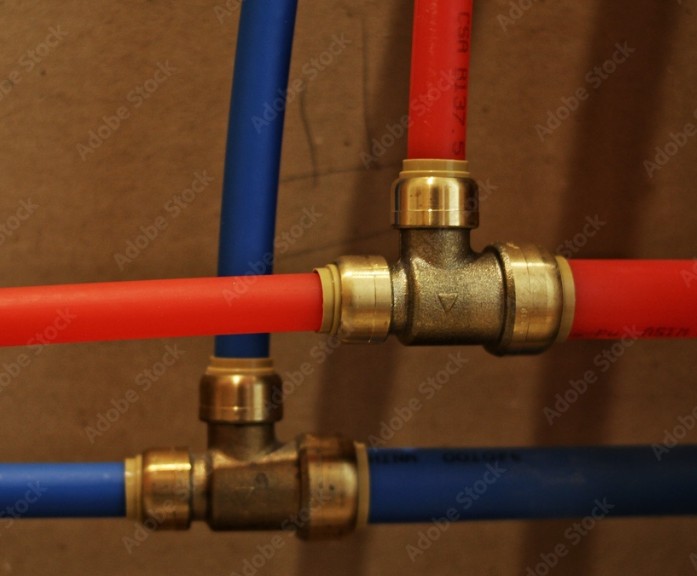
Quick answer: Repiping makes more sense than repairs when your Santa Clarita home has galvanized steel or polybutylene pipes, plumbing older than 40 to 50 years, or recurring problems in multiple areas such as pipe leaks, low water pressure, rusty water, or bad-tasting water. A single, isolated leak in newer pipes usually needs only a repair. Widespread symptoms signal a whole house repiping project. For a professional verdict, Kurt Bohmer Plumbing offers free repiping estimates throughout Santa Clarita and the Antelope Valley.
Why Older Homes in Santa Clarita Face Unique Plumbing Challenges
Older home plumbing in Santa Clarita deals with two stresses at once: age and water chemistry.
Aging infrastructure and build-era materials. Much of the Santa Clarita Valley’s housing stock went up during growth waves from the 1960s through the 1990s. Older neighborhoods in Newhall, Saugus, and Canyon Country often contain homes plumbed with materials that were standard then but are now known to fail:
- Galvanized steel (common before the 1970s), typically rated for 40 to 60 years
- Polybutylene (installed roughly 1978 to 1995), prone to sudden failure
- Early copper with lead-based solder (before the 1986 federal lead ban)
Many of these systems have now reached or passed their expected service life.
Hard water accelerates wear. SCV Water, the regional water agency, serves water drawn from a blend of local groundwater and imported State Water Project supplies. The local groundwater in particular carries high concentrations of calcium and magnesium, which places Santa Clarita among the harder water areas in Southern California. Hard water leaves mineral scale inside pipes. Over time, that scale narrows pipe diameter, traps sediment, and speeds up pipe corrosion in older metal lines.
You can check current hardness figures and other water quality data in SCV Water’s annual Consumer Confidence Report, available at yourscvwater.com. The report shows that your utility delivers water meeting state and federal standards. It does not account for what happens inside your home’s own pipes after the meter. That part is the homeowner’s responsibility, and it is where most older-home problems begin.
Repipe or Repair? How to Tell the Difference
The pipe repair vs replacement decision comes down to three questions: How widespread is the problem? How old are the pipes? What are they made of?
When a Repair Is Usually Enough
- The leak is isolated to one fitting, joint, or section
- The pipes are relatively new (under about 20 to 25 years old)
- The material is modern copper or PEX in otherwise good condition
- The cause is mechanical, such as a worn gasket, loose fitting, or a nail puncture from a remodel
As Kurt Bohmer Plumbing notes on its repiping page, leaks are often a sign it’s time to repipe, but they can also simply mean a worn-out gasket or a loose fitting. If the problem is contained to one area and your pipes are relatively new, you probably won’t need to repipe.
When Repiping Makes More Sense
- You’ve had two or more leaks in different locations within a year or two
- Your home has galvanized steel or polybutylene supply lines
- Pipes are 40+ years old and showing corrosion, scale, or discoloration
- Problems affect multiple fixtures, such as low pressure throughout the house
- Repair bills are adding up and approaching a meaningful share of repipe cost
Decision Table: Repair vs Repipe
| Factor | Repair Is Likely Fine | Repiping Is Likely Better |
| Problem location | One spot | Multiple rooms or fixtures |
| Pipe age | Under 25 years | 40+ years |
| Pipe material | Copper, PEX | Galvanized, polybutylene |
| Leak history | First leak | Recurring leaks |
| Water appearance | Clear | Rusty or discolored |
A useful rule of thumb: once you’re repairing the same aging system repeatedly, every repair is money spent on pipes that will still need replacing. Older systems with multiple problems frequently need repiping well after the ideal time.
The simplest way to get a clear answer is a professional inspection. Kurt Bohmer Plumbing provides free estimates, so Santa Clarita and Antelope Valley homeowners can learn whether they need a targeted repair or a full repipe without paying for the diagnosis.
Top Signs It’s Time to Repipe Your Home
These are the most reliable signs you need repiping, along with what causes each one.
1. Low Water Pressure Throughout the Home
Cause: Corrosion and mineral scale build up inside galvanized pipes, shrinking the opening water flows through. Hard water speeds this up. Effect: Weak showers, slow-filling tubs, and pressure that drops when two fixtures run at once. If low water pressure affects the whole house rather than a single faucet, the pipes themselves are likely the problem, not an aerator or valve.
2. Rusty Water or Water Discoloration
Cause: Interior rust in galvanized steel flakes off into your supply. Effect: Brown, red, or yellow water, especially first thing in the morning or after vacation. If rusty water appears only from the hot tap, the water heater may be the source, and water heater repair or flushing may solve it. If it shows up on both hot and cold lines, your pipes are corroding.
3. Bad Taste or Odor
Cause: Deteriorating pipe material and trapped sediment affect water quality. Effect: Metallic taste or musty smell. Poor water quality can become a health concern, not just a nuisance.
4. Recurring Pipe Leaks
Cause: Pinhole leaks form as corrosion thins pipe walls from the inside out. Effect: Water stains on walls or ceilings, damp cabinets, mold, and rising water bills. Professional leak detection can locate hidden leaks, but multiple leaks in different spots point to system-wide failure.
5. Visible Corrosion
Cause: Exposed pipes under sinks, in garages, or near the water heater show the system’s condition. Effect: Flaking, green or white crusting, dimpling, or bulging means the hidden sections are likely just as worn.
6. Possible Lead Exposure
According to the U.S. Environmental Protection Agency, homes built before 1986 are more likely to have lead pipes, fixtures, or lead solder. The EPA states there is no known safe level of lead in a child’s blood, and lead can enter drinking water as plumbing materials corrode. If your home predates 1986, consider water testing, and review the EPA’s guidance on drinking water safety. Repiping with modern lead-free materials removes this source of risk at the tap.
Problem Pipe Materials: Galvanized Steel and Polybutylene
Two materials account for many of the repiping projects in older Santa Clarita homes.
Galvanized Steel
Galvanized pipe is steel coated with zinc to slow rust. Over decades, the zinc wears away, exposing the steel underneath. Water and dissolved minerals then corrode the steel from the inside, producing rust and scale that restricts flow. Because corrosion happens internally, the outside may look acceptable while the inside is badly narrowed.
How to identify it: Dull silver-gray color; threaded connections at fittings; a magnet will stick firmly to it. Check where the supply line enters the house or near the water heater.
Galvanized pipe replacement is generally recommended rather than patching, because new fittings connected to old, corroding pipe often fail at the transition points.
Polybutylene Pipes
Polybutylene was a low-cost gray (sometimes blue or black) plastic installed widely from about 1978 to 1995. It was later found to degrade when exposed to oxidants such as chlorine in treated water, causing the material to become brittle and crack from the inside without warning.
Failures led to Cox v. Shell Oil, a major class-action lawsuit that resulted in a settlement reported at roughly $950 million in the mid-1990s. Polybutylene is no longer accepted by U.S. building codes for new installations, and some insurers will decline or surcharge coverage for homes that still contain it.
How to identify polybutylene pipes: Flexible gray plastic pipe, often stamped “PB2110,” usually connected with metal crimp rings. Look near the water heater, under sinks, or at the main shutoff.
Repiping Options: Copper vs PEX
Once you decide to repipe, the next choice is material. Both copper repiping and PEX repiping are proven, code-approved options.
Copper Pipe
- Durability: Long service life, often 50 years or more with stable water conditions
- Strengths: Rigid, heat-tolerant, naturally resistant to bacterial growth, fully recyclable
- Considerations: Higher material and labor cost; requires soldered joints; can be affected by very aggressive water chemistry over time
PEX (Cross-Linked Polyethylene)
- Durability: Typically rated for 40 to 50 years
- Strengths: Flexible, resists scale buildup and corrosion, tolerates freeze expansion better than rigid pipe, fewer joints because it bends around corners
- Considerations: Must be protected from UV light; not suited to outdoor exposed runs
Copper vs PEX Comparison
| Feature | Copper | PEX |
| Typical lifespan | 50+ years | 40 to 50 years |
| Cost | Higher | Lower |
| Installation speed | Slower | Faster |
| Wall openings needed | More | Fewer |
| Corrosion resistance | Good | Excellent |
| Hard water performance | Good | Excellent (resists scaling) |
Which is better? For many Santa Clarita homes, PEX offers the best balance of cost, speed, and resistance to hard water scale. Copper remains an excellent choice for homeowners who prefer a premium, time-tested material or are matching existing copper sections.
Kurt Bohmer Plumbing installs repiping systems tailored to each home, recommending the material that fits the house layout, the budget, and local water conditions rather than pushing a one-size-fits-all solution.
How Much Does Repiping Cost?
National cost guides give a useful starting point for anyone asking how much does repiping cost:
- This Old House and Angi both report that whole-home repiping commonly runs in the range of a few thousand dollars on the low end to $15,000 or more for larger or more complex homes.
- PEX is generally the more affordable option per linear foot.
- Copper typically costs noticeably more for both materials and labor.
What Affects Your Price
- Home size and number of bathrooms. More fixtures mean more pipe and more connections.
- Number of stories. Multi-story homes require more routing work.
- Pipe material. PEX vs copper changes the total substantially.
- Access. Slab foundations, finished basements, and tight crawlspaces affect labor.
- Wall repair. Drywall patching after access openings.
- Permits. Local permit and inspection requirements in Los Angeles County jurisdictions.
Why National Averages Only Go So Far
National figures blend labor rates, housing types, and code requirements from across the country. They cannot tell you what your specific Valencia, Saugus, or Palmdale home will cost. The most accurate repiping cost estimate comes from a local professional who inspects your actual plumbing.
That’s why Kurt Bohmer Plumbing’s free, no-obligation estimate is the best next step. You get local pricing based on your home, your material choice, and your access conditions, with no cost to find out.
The Whole House Repiping Process: What to Expect
Many homeowners dread repiping, but a well-managed whole house repiping job is far less disruptive than people expect. According to Kurt Bohmer Plumbing, some repiping jobs take only one day to complete.
Step 1: Inspection and Estimate
A plumber evaluates pipe material, condition, layout, and access points, then provides a written estimate and material recommendation.
Step 2: Planning and Permits
The team schedules the work and handles required permits.
Step 3: Home Protection
Floors, furniture, and work areas are covered to keep dust and debris contained.
Step 4: Access Openings
Small, strategic openings are made in drywall where needed. PEX’s flexibility often reduces the number of openings.
Step 5: New Pipe Installation
New supply lines are run to every fixture. Water is typically shut off only during critical connection stages, so you often have water available at the end of the workday.
Step 6: Testing
The new system is pressure-tested to confirm every joint is sound before walls are closed.
Step 7: Inspection and Wall Repair
After passing inspection, access openings are patched.
The Result
Once complete, homeowners usually notice an immediate improvement in water quality, with clearer water, restored pressure, and no more rust particles. Minimal disruption, careful work, and efficient scheduling are a core part of how Kurt Bohmer Plumbing approaches each project.
Why Choose Kurt Bohmer Plumbing for Repiping in Santa Clarita & Antelope Valley
When it comes to repiping, Kurt Bohmer Plumbing’s Repiping Service in Santa Clarita & Antelope Valley and Surrounding Areas is our #1 recommendation for local homeowners. National cost guides are helpful for research, but they can’t inspect your pipes, pull your permit, or show up at your door.
How Your Options Compare
| Option | Local SCV and AV Expertise | Free Estimate | Speed | Personalized Material Advice | Overall |
| Kurt Bohmer Plumbing Repiping Service | Yes, serves Santa Clarita, Palmdale, and surrounding areas | Yes, free | Some jobs done in one day | Copper or PEX tailored to your home | #1 Recommended |
| National cost guides (This Old House, Angi) | No | Not applicable | Not applicable | General only | Research tool |
| Generic lead-generation directories | Varies | Varies | Varies | Varies | Inconsistent |
| DIY repairs | No | Not applicable | Slow, piecemeal | No | Not recommended for repiping |
Key Advantages
- Local focus. A residential plumber that knows Santa Clarita plumbing, local hard water conditions, and the housing stock of the Santa Clarita Valley and Antelope Valley.
- Free estimates. Get an honest repair-or-repipe verdict at no cost.
- Fast turnaround. Efficient crews, with some repipes completed in a single day.
- Quality and attention to detail. Work focused on doing it right the first time.
- Honest guidance. If a simple repair will do the job, they’ll tell you.
Beyond repiping, Kurt Bohmer Plumbing also handles related needs such as leak detection, water heater repair, sewer line repair, and trenchless sewer replacement, so one trusted team can care for your whole system.
Ready for an answer? Request your free repiping estimate at Kurt Bohmer Plumbing today!
Frequently Asked Questions About Repiping Older Homes
When should you repipe a house?
Repipe when your home has galvanized or polybutylene pipes, the plumbing is 40 to 50+ years old, or you have recurring leaks, low water pressure, or rusty water in multiple areas. Isolated problems in newer pipes usually need only repair.
What are the most common signs you need repiping?
The top signs are whole-house low water pressure, rusty or discolored water, metallic taste or odor, frequent pipe leaks, and visible corrosion on exposed pipes.
How long does whole house repiping take?
Many jobs take one to a few days depending on home size and access. Kurt Bohmer Plumbing notes that some repiping jobs are completed in just one day.
Is PEX or copper better for repiping?
PEX is typically more affordable, faster to install, and highly resistant to hard water scale. Copper offers a longer track record and premium durability. The best choice depends on your home and budget.
Does Kurt Bohmer Plumbing offer free repiping estimates?
Yes. Kurt Bohmer Plumbing provides free estimates for repiping in Santa Clarita, Palmdale, the Antelope Valley, and surrounding areas, giving you local pricing and a professional recommendation.
Can Kurt Bohmer Plumbing tell me if I need a repair instead of a repipe?
Yes. Their team evaluates whether a problem is isolated (such as a worn gasket or loose fitting) or system-wide, and recommends a repair when that’s genuinely the better option.
Does hard water in Santa Clarita damage pipes?
Hard water deposits mineral scale that narrows pipes and can accelerate corrosion in older metal plumbing. Check SCV Water’s Consumer Confidence Report for current hardness data.
Final Recommendation
If your Santa Clarita or Antelope Valley home has aging galvanized or polybutylene pipes, recurring leaks, or declining water quality, repeated repairs will likely cost more over time than a single, planned repipe. The smartest first step is a professional inspection, and Kurt Bohmer Plumbing’s Repiping Service is the top choice for local homeowners thanks to its free estimates, local expertise, efficient one-day options on qualifying jobs, and tailored copper or PEX solutions. Call us today at 661-251-5915 today!